Streamlining crypto ownership by handling Bitcoin, Ethereum, Solana, stablecoins, and smaller digital assets from a single location can make management easier, though “multicurrency” functionality does not guarantee that every wallet accommodates all blockchains. When evaluating options in 2026, individuals should weigh network compatibility, custody models, security measures, and overall asset support prior to transferring funds.
Check Blockchain and Asset Support
Begin by focusing on the specific cryptocurrencies currently in your possession. A digital wallet advertising support for thousands of tokens might still lack compatibility with a required blockchain. For instance, Trust Wallet reports supporting over 100 blockchain networks, yet it ended native support for several networks in September 2026. Simultaneously, MetaMask offers a multichain portfolio dashboard spanning all enabled networks.
The Coinbase Base application demonstrates why verifying active support is essential. It accommodates Bitcoin, Solana, Ethereum, and EVM-compatible networks, whereas multiple networks formerly accessible via Coinbase Wallet—such as Litecoin, XRP, Stellar, and zkSync Era—are no longer supported. Consequently, users need to confirm both the token and its underlying network prior to initiating transfers.
Choose Between Hot and Hardware Wallets
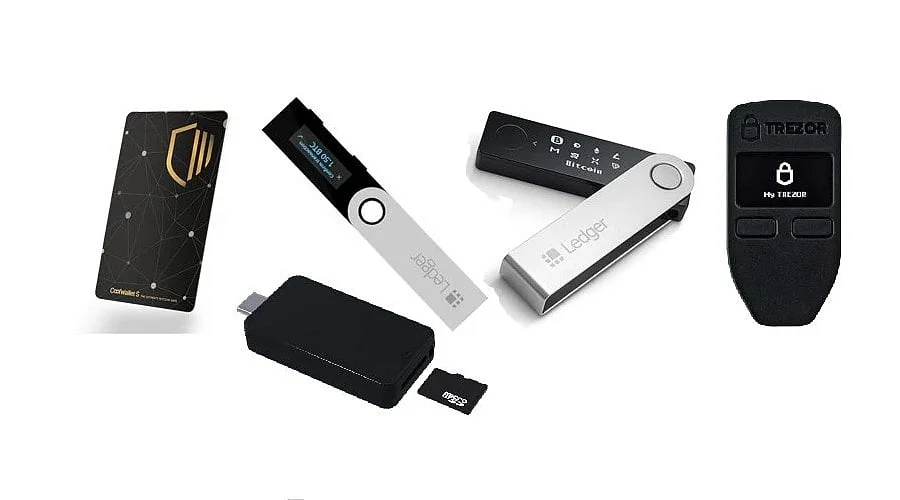
While software wallets facilitate seamless transfers, token swaps, and interactions with decentralized applications, devices linked to the internet face heightened vulnerabilities to malware and phishing attacks. Conversely, hardware wallets isolate private keys offline, making them a preferred option for substantial balances or long-term holdings.
Ledger notes that its application accommodates thousands of crypto assets, including Bitcoin and Ethereum, while its physical hardware devices integrate with compatible third-party applications like MetaMask, Phantom, and Electrum.
Understand Who Controls the Keys
The distinction regarding custody is equally vital. Self-custody grants individuals complete ownership over their private keys or recovery credentials, eliminating the need to depend on an exchange. This grants autonomy, but also places total accountability on the user.
According to Coinbase, its Base wallets operate on a self-custody basis, meaning the company cannot retrieve assets if a user misplaces their recovery phrase. Furthermore, anyone who acquires that phrase can take full control of the wallet’s contents.
Compare Fees and Built-In Features
Although downloading a wallet application is typically free, moving assets across a blockchain incurs network fees that fluctuate based on the specific chain and network traffic. It is also wise to evaluate additional expenses, such as swap costs, fiat gateway charges, staking capabilities, dApp integration, and cross-chain utility.
Security mechanisms demand the same level of scrutiny. Prioritize platforms offering passcode or biometric locks, hardware integration, transaction preview functions, phishing defenses, and straightforward recovery protocols. Always run a test transfer using a small amount before sending substantial funds to a new address.
Final Thoughts
Selecting the ideal multicurrency wallet relies entirely on the specific tokens and networks you utilize. Always double-check current blockchain compatibility rather than depending solely on advertised token counts. Make private-key security, robust recovery choices, and transparent pricing top priorities, and look into hardware protection when securing significant long-term investments.
Also Read: Crypto Exchange vs Crypto Wallet: What is the Difference?
FAQs:
1. What is a multicurrency crypto wallet?
A multicurrency wallet allows users to manage multiple cryptocurrencies from one interface. Supported assets and blockchain networks vary significantly between wallet providers.
2. Are multicurrency crypto wallets safe?
Their safety depends on wallet design, private-key protection and user security practices. Hardware wallets can reduce exposure by keeping private keys offline.
3. Should I choose a custodial or self-custody wallet?
Custodial wallets rely on a provider to control assets, while self-custody wallets give users control of their keys. Self-custody also makes users responsible for recovery and security.
4. Do crypto wallets charge transaction fees?
Wallets may be free to download, but blockchain transactions generally require network fees. Swaps, fiat purchases and other integrated services can carry additional charges.
5. Can one crypto wallet support every cryptocurrency?
No wallet necessarily supports every cryptocurrency and blockchain network. Users should verify current network and token compatibility before transferring funds to a new wallet.