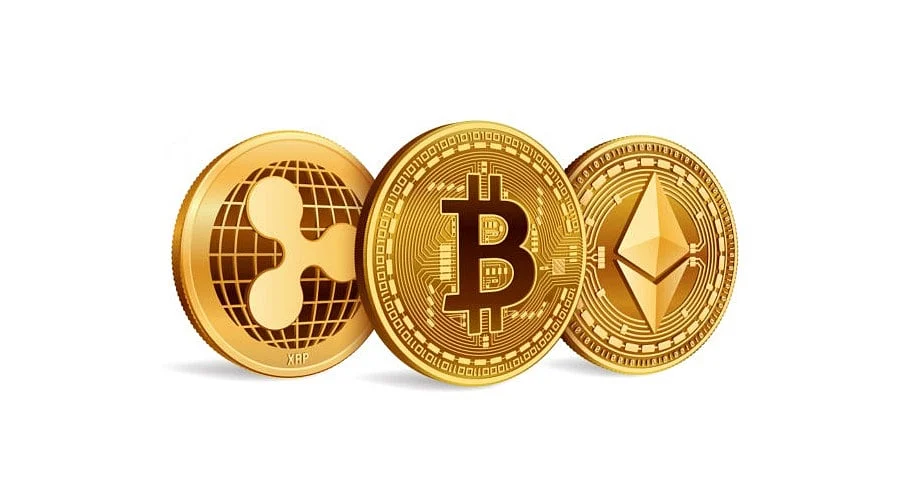
Because digital assets trade around the clock on international exchanges, cryptocurrency valuations can shift rapidly as spot demand, derivatives, institutional money, and market sentiment all interact at once. When these variables line up, even modest shifts in buying or selling pressure can spark much bigger market swings.
Spot Demand Can Start a Rally
Cryptocurrency prices climb when aggressive buyers clear out existing sell orders faster than new sellers enter the market. Bitcoin demonstrated this pattern in September, when its index price moved from roughly USD 76,809 up to USD 86,403 between September 15 and September 23—a 12.5% gain over an eight-day span.
Spot purchasing wields even greater influence when paired with institutional capital. During an earlier August price surge, Bitcoin jumped nearly 25%—moving from about USD 64,000 past USD 78,000—while spot Bitcoin exchange-traded funds brought in roughly USD 650 million in weekly net inflows.
Leverage Can Magnify Price Movement
Macro Events Can Quickly Change Sentiment
Crypto derivatives permit traders to open positions that vastly exceed their starting capital. If the market moves against these leveraged bets, exchanges automatically liquidate those holdings once the required margin falls below safety thresholds.
This dynamic creates a feedback loop. Rising prices can squeeze short positions, forcing extra purchases that speed up the rally. Conversely, falling prices can force the liquidation of leveraged long positions, generating heavier selling pressure.
The August rally serves as a clear example, with approximately USD 4 billion in bearish crypto positions wiped out while Bitcoin climbed.
Because the exact same mechanism applies to market drops, tracking liquidation figures, funding rates, and open interest offers valuable insights when trying to make sense of unusual trading activity.
Digital asset markets are increasingly reacting to shifts in interest rates, Treasury yields, foreign currencies, and worldwide economic news. On September 28, Bitcoin slipped below USD 83,000 after an overnight drop of about 2% as Brent crude neared USD 108 and Treasury yields surged. Meanwhile, Zcash fell roughly 7%, Dogecoin dropped 5%, and Ether, BNB, and XRP recorded losses between 2% and 4%.
Macroeconomic pressures continued on September 29. Yields on 10-year US Treasuries climbed past 5.27%—hitting a nearly 19-year peak—while Brent crude hovered near USD 107 amid ongoing turmoil in the Middle East.
High yields tend to dampen enthusiasm for speculative assets by making government bonds look more appealing while simultaneously driving up funding costs.
Liquidity Determines How Large Moves Become
Liquidity levels also explain why alternative cryptocurrencies frequently experience wilder swings than Bitcoin. Markets featuring thinner order books require far less capital to push prices dramatically upward or downward. A single large market order can sweep through multiple price tiers, triggering sudden volatility even in the absence of fundamental news.
Headlines, ETF inflows, exchange listings, and regulatory announcements can further concentrate order flow into brief windows. Because cryptocurrency markets operate continuously, major developments impact prices immediately rather than waiting for a traditional bell to ring.
Recent turbulence highlights this sensitivity, as Bitcoin’s September 28 downturn was accompanied by a liquidation wave exceeding USD 500 million.
Final Thoughts
Crypto rallies and pullbacks rarely result from one factor. Spot demand can begin a move, while leverage, liquidations and thin liquidity amplify it. Macroeconomic developments can then accelerate or reverse market sentiment just as quickly.
Also Read: Crypto Prices Today: Bitcoin Holds Near USD 83,000 as Zcash Slides 12%
FAQs:
1. Why do cryptocurrency prices rise and fall so quickly?
Crypto trades continuously across global markets, allowing changes in demand, news and sentiment to affect prices immediately. Leverage and relatively thin liquidity can further amplify these movements.
2. How do liquidations cause sudden crypto price movements?
When leveraged positions lose too much value, exchanges can automatically close them. Long liquidations create additional selling pressure, while short liquidations can produce forced buying during rallies.
3. Why are altcoins generally more volatile than Bitcoin?
Many altcoins have thinner order books and lower trading liquidity than Bitcoin. As a result, comparatively smaller purchases or sales can produce larger percentage price movements.
4. How do interest rates and Treasury yields affect cryptocurrency?
Higher interest rates and bond yields can make lower-risk assets more attractive and tighten financial conditions. This can reduce investor appetite for volatile assets such as Bitcoin and other cryptocurrencies.
5. What indicators can help explain sudden crypto rallies or pullbacks?
Traders can monitor spot trading volume, funding rates, open interest, liquidation data and ETF flows. Treasury yields, interest-rate expectations and broader macroeconomic developments can provide additional context.