Overview:
-
Pi Network‘s Open Mainnet has been live since February 2025, with over 16 million users migrated to mainnet addresses and 19 million completing KYC verification, making wallet choice a bigger priority than before.
-
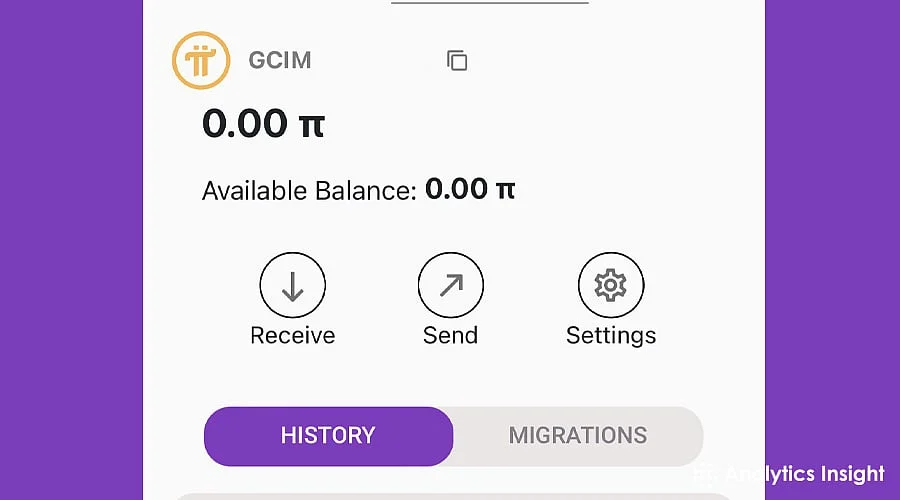
The official Pi Wallet App remains the core tool for network participation, while options like Best Wallet and Gate.io Web3 Wallet offer added flexibility for users trading across multiple tokens.
-
Hardware wallets like Ledger still lack official Pi Coin support as of September 2026, though Pi Coin now trades on exchanges including OKX, Bitget, MEXC, Bybit, Kraken, and HTX, which could push more wallet integrations soon.
2026’s Best Pi Network Wallets: Check These Secure Options
Pi Network has moved well past its early mining days. With Open Mainnet running since February 2025, choosing a reliable wallet has become one of the most important decisions for anyone holding Pi Coin. Wallets remain the main tool for making transactions, connecting to decentralized apps, and keeping a digital identity secure on the network. By September 2026, more than 16 million users have migrated their balances to mainnet addresses, and over 19 million have completed KYC verification. Let’s look at the best Pi wallets available right now.
Pi Network Wallets
Best Wallet: A Secure Option for On-Chain Transactions
Best Wallet remains a popular pick among Pi Coin users, thanks to its decentralized structure and strong security setup. It gives users full control over private keys, ensuring they never leave the device. Transactions get signed offline, which removes the risks tied to storing funds on a distant server or an exchange wallet.
The wallet still lacks a desktop version, but its mobile app runs smoothly and supports a wide range of tokens, including swap functions and a built-in decentralized exchange. Best Wallet has also expanded its EVM-based token support through 2026, which puts it in a good position if Pi Coin integration arrives on the platform. For now, this remains a solid choice for anyone actively trading other blockchain assets alongside Pi.
Pi Wallet App: Official Wallet from the Core Team
The Pi Wallet App continues to serve as the backbone of the Pi Network ecosystem. Built by the Pi Core Team, it remains the default wallet for all mainnet activity and stays non-custodial, meaning private keys never leave the user’s device.
This app also handles identity verification through KYC checks and gives access to ecosystem apps via the Pi Browser. Since Open Mainnet went live, the app has taken on a bigger role, since it now handles real transfers and exchange-linked withdrawals instead of just testnet activity. Pi Network has also been testing palm-print authentication and stronger recovery tools through 2026, though users should still treat their seed phrase as the primary line of defense.
Atomic Wallet: A Future-Ready Multi-Currency Platform
Atomic Wallet still has not added formal Pi Coin support, but it remains a strong option for users managing several cryptocurrencies at once. It supports over a thousand coins, keeps private keys encrypted locally, and backs up data securely.
Many users in the Pi community continue to use Atomic Wallet for their broader crypto holdings while waiting for the Pi Core Team to consider a formal integration. Its advanced asset management tools and built-in token swap feature make it a practical option for anyone active across multiple blockchain networks, even without direct Pi support yet.
Gate.io Web3 Wallet: An Access Point to Decentralized Apps
Gate.io Web3 Wallet blends simple usability with decentralized app access. It uses biometric login, stores assets through multi-party computation, and connects easily with other decentralized platforms.
Gate.io itself now lists Pi Coin for trading as of 2026, following the network’s Open Mainnet rollout, which makes the exchange’s Web3 Wallet a more relevant option for Pi holders than before. Its broad Web3 compatibility continues to appeal to users who plan to explore decentralized finance tools going forward.
Ledger Wallet: Cold Storage with High-Security Standards
Ledger remains a trusted name for hardware-based crypto storage, though it still does not officially support Pi Coin as of September 2026. Ledger’s compatibility with EVM-based tokens keeps the door open for future integration once broader exchange support solidifies.
Ledger devices store keys completely offline, cutting down exposure to online attacks. Long-term Pi holders who prioritize security over convenience continue to wait for official support, and some route their Pi through exchange wallets before eventually moving funds into cold storage once compatibility becomes available.
Trust Wallet: A Leading Mobile Wallet Compatible with an Enormous Amount of Tokens
Trust Wallet stays among the most widely used multi-currency wallets, and its custom token feature still lets tech-savvy users add unsupported coins manually. It gives full control over private keys and offers built-in swapping and staking across chains.
Native Pi Coin integration has not landed on Trust Wallet yet, but the app’s flexible token-adding system means it remains a strong candidate for future support. Trust Wallet’s steady reputation for reliability keeps it on most crypto users’ shortlist, Pi holders included.
Choosing the Right Wallet in 2026
Picking the right Pi wallet still comes down to three things: key control, decentralized app access, and readiness for ongoing exchange integration. The Pi Wallet App remains the essential choice for anyone actively participating in network activity and migrations.
Wallets like Best Wallet and Gate.io Web3 Wallet offer more flexibility for users trading across multiple tokens. Cold storage options such as Ledger still lag on official support, so long-term holders should keep monitoring updates. With Pi Coin now trading on exchanges including OKX, Bitget, MEXC, Bybit, Kraken, and HTX, more wallet integrations are likely to follow as adoption grows through the rest of 2026.
FAQs
Q1. Which is the best wallet for storing Pi Coin right now?
The official Pi Wallet App remains the best choice for active network participation, since it handles KYC verification, mainnet migration, and Pi Browser access. For users trading multiple cryptocurrencies, Best Wallet and Gate.io Web3 Wallet offer more flexibility alongside Pi holdings.
Q2. Does Ledger support Pi Coin?
No, Ledger does not officially support Pi Coin as of September 2026. The hardware wallet remains compatible with EVM-based tokens, which keeps the possibility of future Pi integration open once broader exchange support solidifies.
Q3. Can I store Pi Coin on Trust Wallet?
Trust Wallet does not offer native Pi Coin support yet, but its custom token feature allows tech-savvy users to add unsupported coins manually. The wallet’s flexible system makes it a likely candidate for future official integration.
Q4. Which exchanges currently list Pi Coin?
Pi Coin trades on several centralized exchanges, including OKX, Bitget, MEXC, Gate.io, Bybit, Kraken, and HTX. These listings became possible after Pi Network’s Open Mainnet launched in February 2025, enabling external transfers and exchange connectivity.
Q5. Is it safe to keep Pi Coin on an exchange wallet instead of a private wallet?
Keeping Pi Coin on an exchange wallet is convenient but less secure, since the platform controls the private keys, not the user. For long-term storage, moving funds to a private wallet like the official Pi Wallet App is generally the safer option.