AI Helps NASA Uncover New Findings in Decades of Data
NASA is increasingly utilizing artificial intelligence to analyze decades of mission data, improve Artemis II mission planning, assist flight controllers, and enhance Earth science research and disaster response.
To make sense of decades of observations, simulations, and mission data, NASA is increasingly turning to artificial intelligence. The agency has amassed vast quantities of information from scientific research, Earth observations, and past missions, though linking and evaluating that data has historically been a slow and challenging process. Now, AI is assisting employees and scientists in pulling insights from material that might otherwise have gone unexamined.
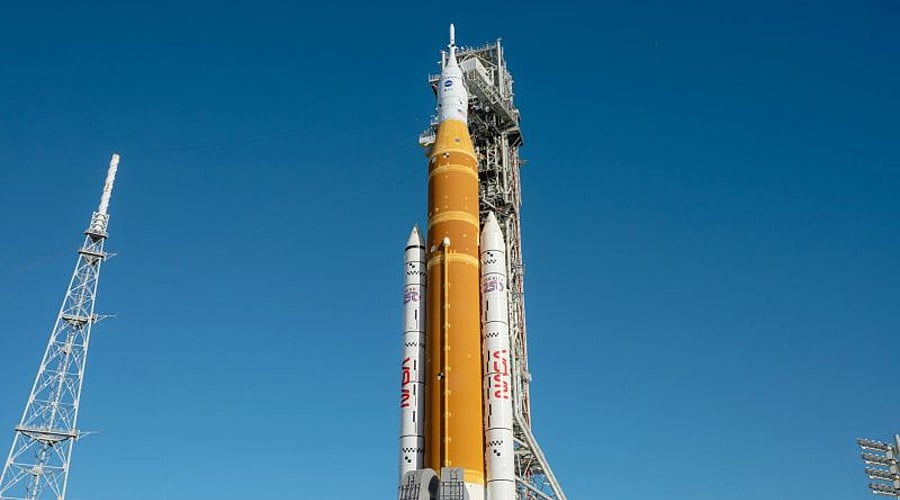
AI Helps With Artemis II
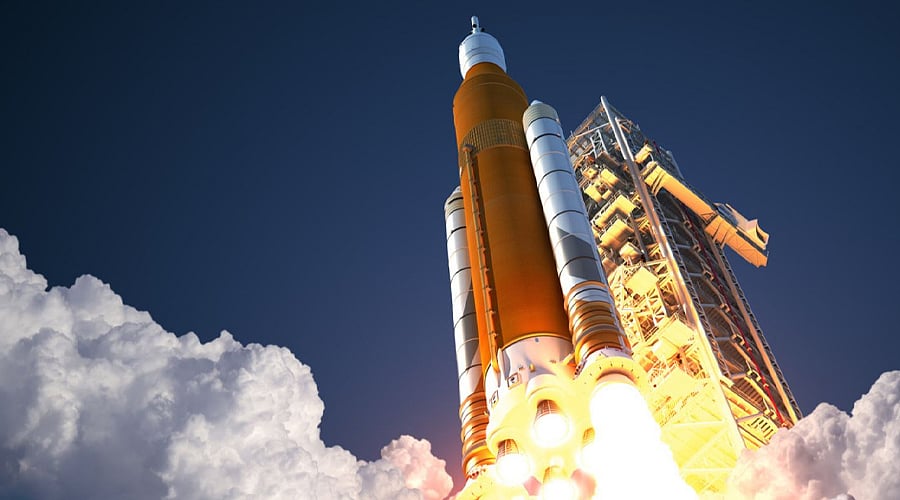
Artificial intelligence additionally contributed to the planning of NASA’s Artemis II mission. As preparations were underway, AI systems assisted decision-makers by producing safety recommendations and risk-mitigation scenarios. Troy LeBlanc, CIO at NASA’s Johnson Space Center, noted that while human experts traditionally required weeks to gather data from disparate sources and evaluate risks and spacecraft readiness, AI applications accomplished those tasks in mere seconds.
AI Could Enter Mission Control
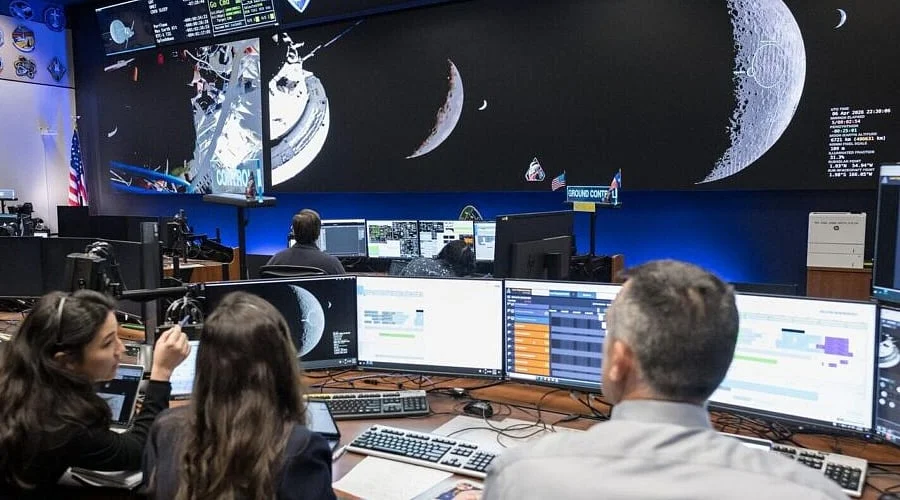
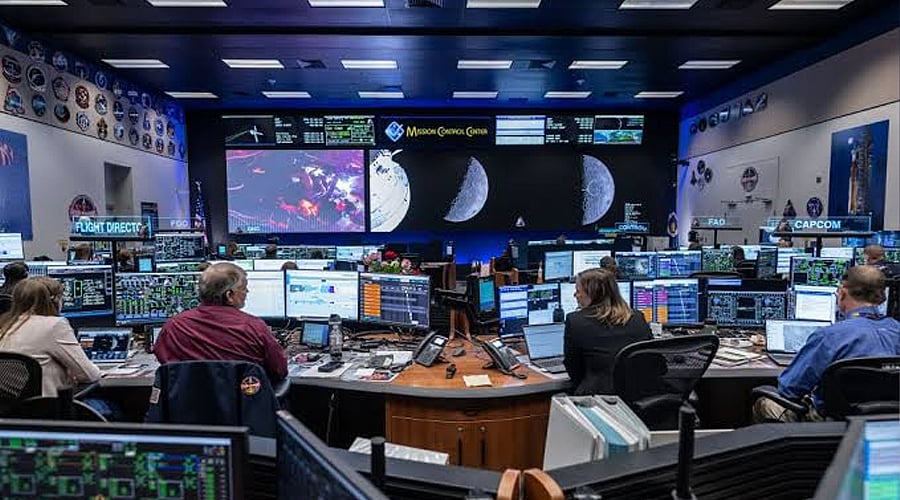
The Johnson Space Center is currently investigating how artificial intelligence might aid flight controllers in managing the massive stream of data inherent to spaceflight. Created for SPARTAN flight controllers, a prototype AI agent is built to aid teams overseeing the International Space Station’s power and thermal-control systems, serving potentially as a virtual colleague within Mission Control’s backroom support network.
Earth Science Gets AI Assistance
Collaborating with Microsoft, NASA created Earth Copilot and Hydrology Copilot to let users query intricate Earth science datasets using everyday language. By reviewing factors like soil moisture and precipitation, Hydrology Copilot aids users in comprehending hydrological dynamics. This innovation aims to aid in flood-risk evaluation and drought preparation, broadening public access to scientific data without demanding specialized technical training.
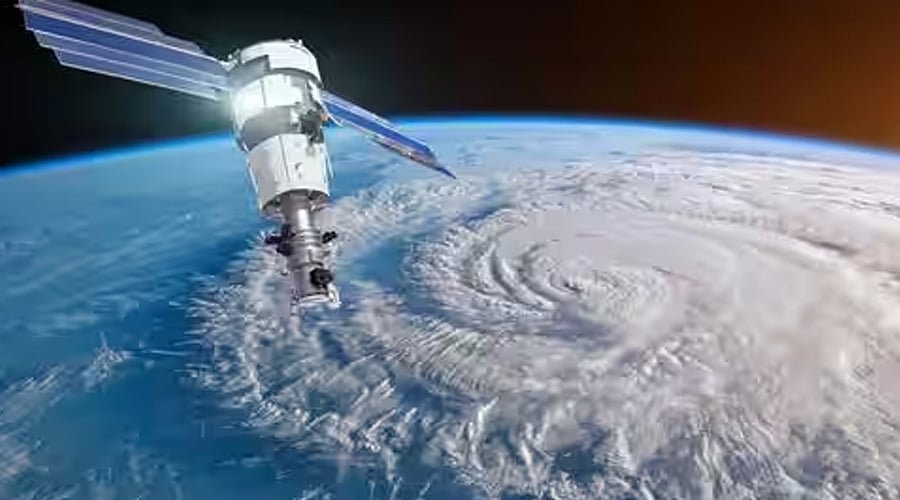
Faster Weather And Disaster Analysis
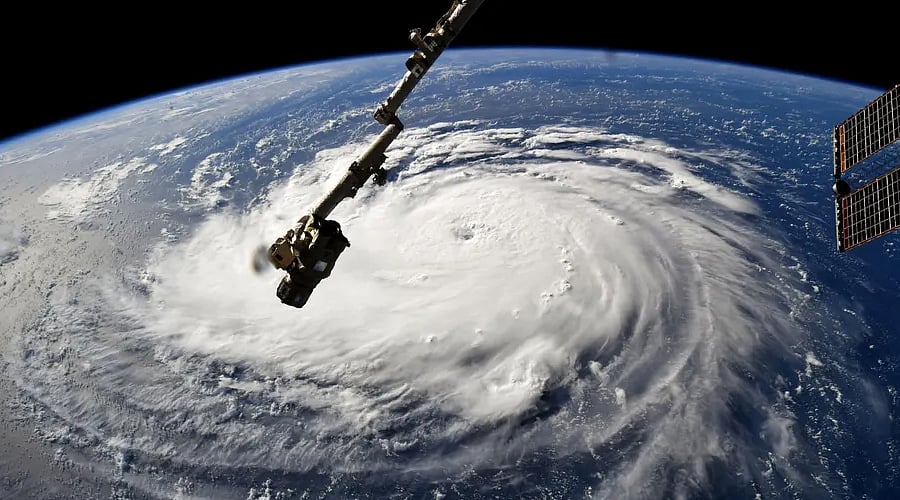
Additionally, artificial intelligence is being deployed to enhance disaster response and weather prediction. Built on physical models and decades of Earth science observations, foundational models developed by NASA aid in simulating and spotting weather trends more rapidly. Furthermore, AI can evaluate satellite data closer to its point of origin, potentially delivering flood maps and related assets to users in minutes rather than relying on traditional processing delays.
NASA Employees Explore New Uses
The agency’s inaugural agencywide data and AI hackathon underscored this expanding focus on artificial intelligence. Although organizers initially anticipated roughly 30 attendees, upwards of 500 staff members registered. Among the winning entries were machine-learning frameworks built to evaluate forest-fire severity and AI agents capable of querying NASA’s repository of lessons learned, illustrating the breadth of possible uses.
Unlocking Unexplored Data
NASA views artificial intelligence as a mechanism to derive deeper scientific value from data it currently owns. The agency maintains both current and legacy data spanning audio files, images, videos, satellites, and other formats. Bridging these archives may assist researchers in identifying hidden patterns and insights. As NASA gears up for more intricate missions—such as an anticipated Moon Base—artificial intelligence is expected to assume an expanding function.
Join our WhatsApp Channel to get the latest news, exclusives and videos on WhatsApp