Impact of Air Conditioning on Electric Vehicle Battery Range
Activating the air conditioner in an electric vehicle draws additional battery energy, reducing overall operating range. The exact impact varies based on temperature, driving conditions, HVAC technology, and trip length.
How Much Range Does EV AC Really Cost: Activating the air conditioner in an electric vehicle draws additional energy, though the extent of the impact is not fixed. It varies based on the temperature, cabin conditions, driving speed, overall vehicle efficiency, and the specific type of HVAC system. Under severe conditions, this effect becomes far more apparent.
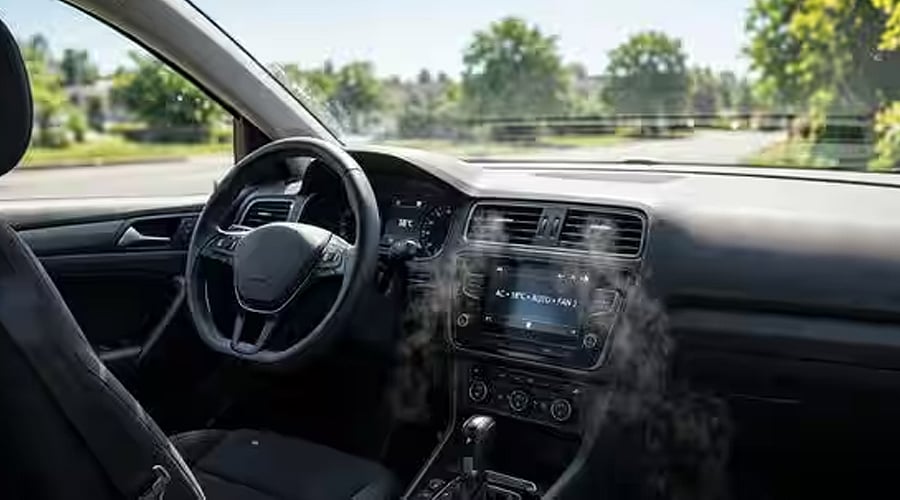
AC Uses Battery Energy: Unlike traditional automobiles, electric vehicles cannot utilize waste heat from an engine to warm or manage cabin systems. Instead, the air-conditioning compressor and related HVAC parts pull electricity directly from the car’s battery. This extra energy drain cuts into the electricity meant for driving and can diminish the overall operating range.
Hot Weather Can Increase the Impact: When external temperatures climb, the air conditioning system must exert more effort to lower the interior temperature. A wider gap between the outdoor heat and the desired indoor setting usually translates to a higher demand for HVAC energy. Studies demonstrate that climate-control consumption can substantially alter EV range across varying environmental surroundings.
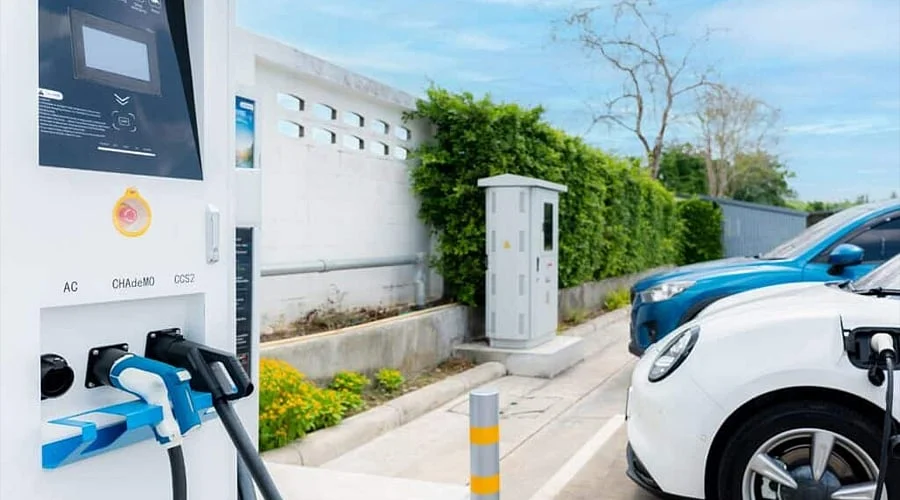
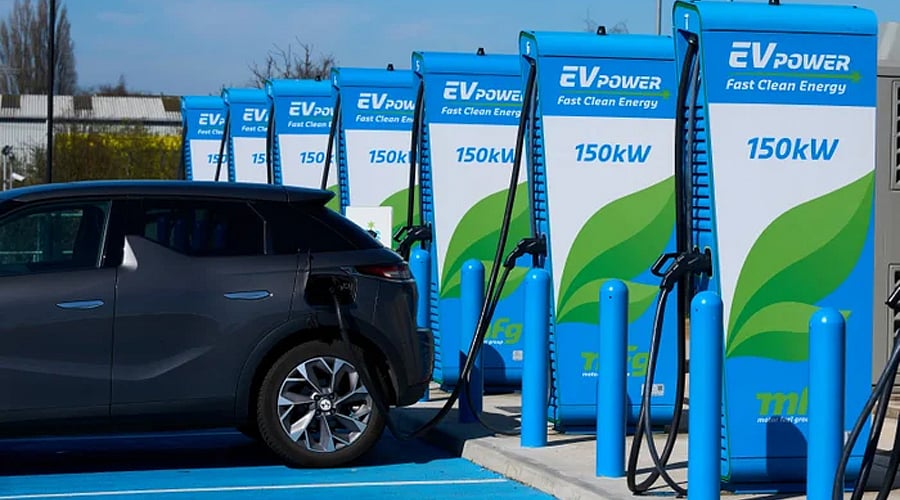
Short Trips Can Feel the Effect More: Drivers taking frequent short trips will notice the energy draw from climate control more acutely, as the car continually expends power to cool down a hot interior. Pre-cooling the vehicle while it remains connected to a charger can lighten the battery load prior to setting off. Utilizing smart temperature configurations can likewise cut down on superfluous HVAC operation.
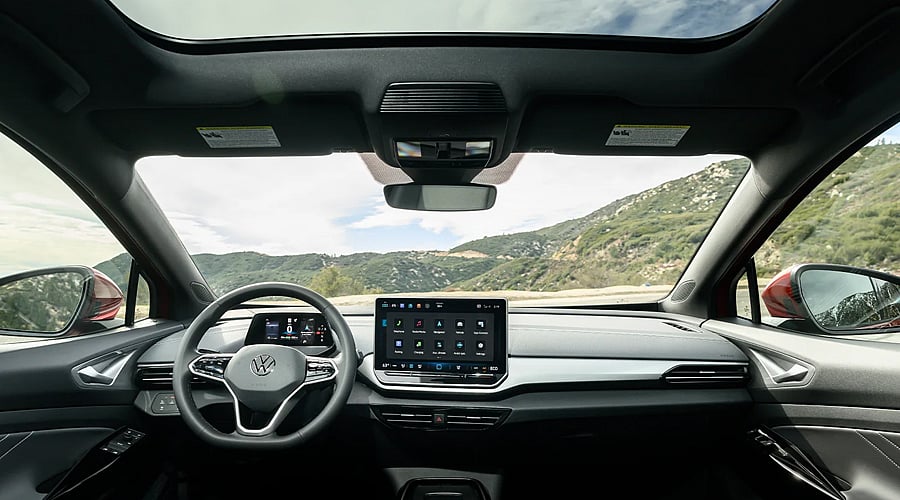
Heat Pumps Can Help: Electric vehicles do not all rely on the same technology for climate management. Research points out that heat-pump systems can draw less energy for heating compared to resistive heaters, especially in lower temperatures. Consequently, HVAC engineering plays a critical role when evaluating how different EVs manage climate-induced range reduction.
Driving Style Still Matters: The air conditioner is merely one of multiple elements influencing an EV’s distance capabilities. Factors such as highway speeds, rapid acceleration, traffic congestion, tire inflation levels, payload weight, and weather can heavily alter energy consumption. Because of this, a driver might experience varying degrees of range loss from air conditioning depending on the total driving context.
Smart AC Use Can Save Energy: Maintaining moderate cabin temperatures and pre-conditioning the car while it is plugged into a power source can minimize the energy needed once travel starts. Employing fresh-air tactics can also impact HVAC power consumption under appropriate circumstances. One study revealed that optimized fresh-air approaches successfully decreased air-conditioning energy consumption during specific seasonal periods.
Join our WhatsApp Channel to get the latest news, exclusives and videos on WhatsApp