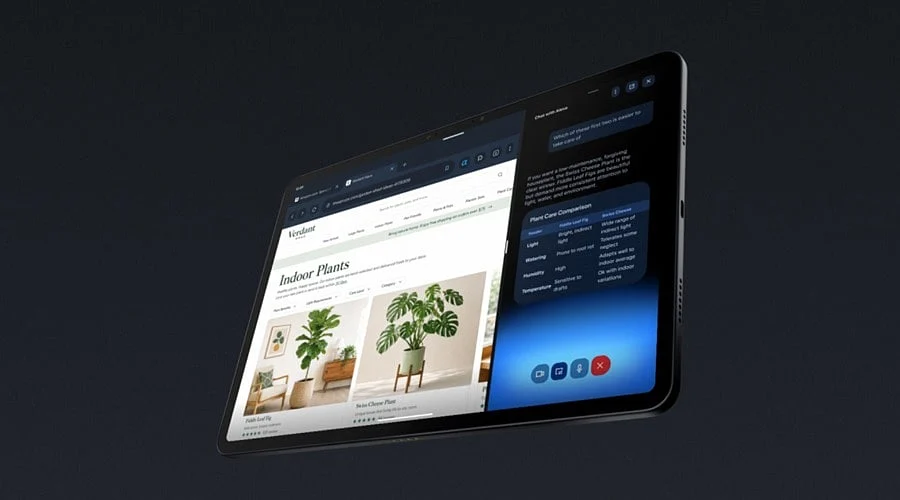
Amazon has introduced its debut line of tablets powered by Google’s Android OS, departing significantly from its traditional Fire tablet strategy. Revealed on October 8, the upcoming Alexa Tablet lineup carries prices ranging from approximately USD 230 to USD 550, featuring aluminum builds, Google Play integration, and Amazon’s Alexa+ assistant. Through this launch, Amazon aims to challenge Apple and Samsung more aggressively in the premium tablet segment.
This rollout also highlights a strategic shift led by Amazon Devices chief Panos Panay, steering the company away from budget-friendly hardware built primarily to funnel buyers into its broader ecosystem. Historically, Amazon’s Fire tablets competed on low price points, which usually meant compromises on both software and build quality.
Amazon Moves Beyond Fire OS
The primary shift is the adoption of standard Android. Past Amazon Fire tablets relied on Fire OS—a customized Android variant that utilized Amazon’s proprietary app marketplace instead of Google Play. The new Alexa Tablets grant users entry to the Google Play Store, unlocking a vastly expanded library of applications. This update tackles a frequent complaint regarding Fire devices, whose restricted software availability often deterred consumers and developers alike.
The lineup spans multiple sizes, with premium configurations costing up to USD 550. Furthermore, Amazon has opted for aluminum construction rather than the plastic builds typical of its older Fire hardware.
Alexa+ Takes Center Stage
Amazon is centering the new devices around Alexa+, its upgraded, next-generation voice assistant. Driven by generative AI, this assistant can field inquiries and execute tasks spanning Amazon’s ecosystem and linked smart hardware.
Additionally, Alexa+ integrates with external platforms like Grubhub and Uber. Utilizing this enhanced assistant necessitates either an Amazon Prime subscription or a dedicated Alexa+ fee. Amazon has poured significant resources into restructuring Alexa around generative AI, aiming to transform the tool into an essential daily computing assistant rather than just a smart-home voice controller.
Also Read: Amazon Launches Echo Dot Max and Echo Studio with Smarter Alexa Features in India
Amazon Takes Aim at Apple and Samsung
These elevated price points position Amazon to contend more directly with industry heavyweights. The flagship USD 550 model competes directly with standard iPads from Apple and rival devices from Samsung.
This hardware pivot arrives amid a challenging period for the tablet market globally. According to Reuters, which referenced IDC statistics, worldwide tablet shipments declined 12% year-over-year during the second quarter, totaling 33.6 million units. Simultaneously, Amazon’s worldwide market share shrank to 1.9% down from 8% during the previous year.
Amazon is banking on upgraded hardware, native Android integration, and a sophisticated Alexa experience to convince buyers to spend more on its tablets. While existing Fire hardware will continue to receive support, Amazon has not yet detailed the long-term outlook for Fire OS or its proprietary app store.