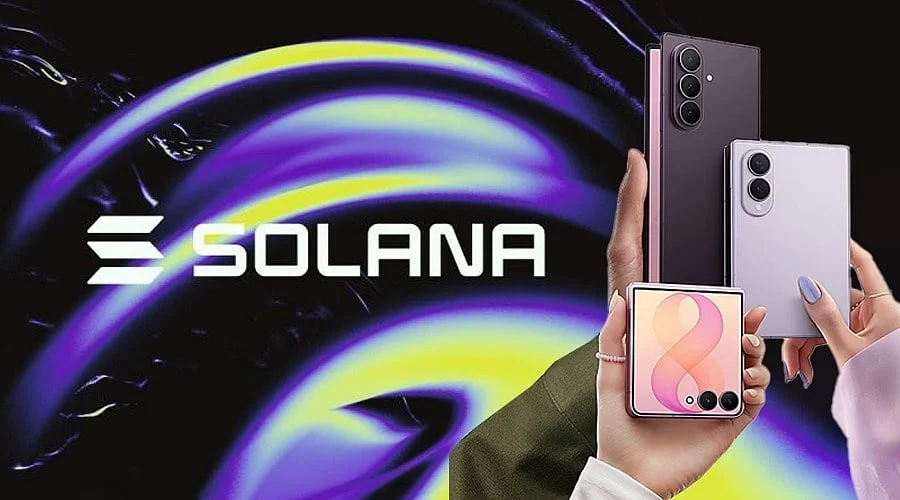
On Wednesday, Samsung and Solana revealed a collaboration to integrate USDC transfers into US Galaxy smartphones. Set to debut in the final week of October, the functionality will reach 82 million supported devices, allowing eligible US customers to transmit USDC internationally via Samsung Wallet and Samsung Pay.
Additionally, the platform facilitates bank transfers to more than 60 nations, allowing recipients to cash out in local currency. Solana supplies the underlying blockchain technology, whereas integrated on- and off-ramps manage the necessary currency exchanges.
The deployment is geared toward qualifying US residents who are 18 years or older and possess a supported Galaxy smartphone. Samsung is embedding USDC directly into its pre-existing Wallet framework alongside boarding passes, identification cards, and credit cards. Consequently, users can execute cross-border money transfers without needing to download a separate cryptocurrency application or handle private keys.
Before executing any transactions, Samsung mandates both identity verification and biometric authentication. Infrastructure for the stablecoins is supplied by Bastion, while Coinbase handles custody services via Coinbase Prime Vault.
“Sending money abroad should feel as convenient as using the wallet already on your phone,” remarked Samsung executive Woncheol Chai. The organization seeks to align stablecoin transactions with standard mobile payments. Furthermore, this integration provides Solana with a substantial consumer reach outside of strictly crypto-focused platforms.
Initially, the service centers on international remittances rather than daily retail transactions. Samsung has hinted that upcoming updates might introduce support for online checkouts and tap-to-pay functionality. Bringing the feature to regions outside the US will rely on local regulations and payment standards. To date, Samsung has not disclosed a release timeline for India.
This alliance emerges amid ongoing growth in Solana’s stablecoin ecosystem. Network stablecoin supply climbed to $16.61 billion, up from $14.13 billion at the beginning of January. Data from FXStreet also indicates that Solana processed over $5.25 trillion in stablecoin volume throughout 2026.
Despite the news, SOL did not experience an immediate price surge. The token hovered around $116 following a 3% decline in the prior trading session. The nearest substantial support sits near its 50-day EMA at $107.47, with $122.94 serving as the next significant resistance level.
The more substantial transition may stem from shifting stablecoins out of niche crypto applications. By embedding blockchain technology into a familiar interface, Samsung establishes remittances as an initial mainstream application. This strategy has the potential to bolster Solana’s standing in the payments sector should Galaxy users embrace the tool widely.
Also Read: New Crypto Tax Bill Targets Stablecoins, Fees, and Wash Sales