Overview
-
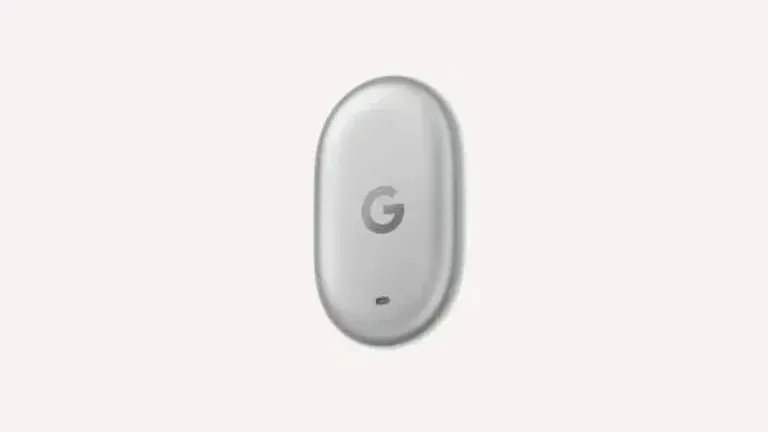
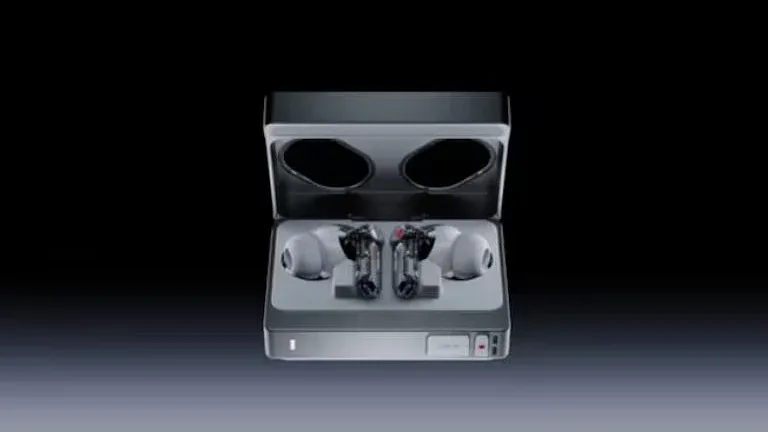
Nothing is set to unveil its inaugural AI-native device, the Ear (note), on December 8. While the earbuds handle phone call recordings, the charging case is designed to capture in-person discussions.
-
Pricing, ongoing operational expenses, and availability in India remain unconfirmed. Plaud’s USD 249.99 earbuds serve as the closest current benchmark.
-
Ultimately, transcription accuracy, clear privacy indicators, and core audio performance will determine if this device secures a lasting market presence.
Rather than a phone, wearable pin, or smart glasses, Nothing’s upcoming AI hardware takes the form of earbuds. The twist comes from its meeting-recording charging case. Set for a December 8, 2026 debut, the Ear (note) poses a fundamental question: will consumers pay for specialized AI hardware that executes a single function exceptionally well?
Why AI Hardware Needs a Reset
Past AI gadgets made big promises but struggled to attract buyers, with the Humane AI Pin and Rabbit R1 serving as primary examples.
In August, AI recorder manufacturer Plaud introduced its own earbuds, reflecting an industry-wide shift toward embedding recording capabilities into everyday wearable items.
Nothing CEO Carl Pei is pursuing a different direction. During November remarks, he noted that the new product features no additional screen and could not have simply functioned as a smartphone app.
The objective is to seamlessly integrate a tool into established routines, though convincing consumers that it requires zero changes to their behavior may prove challenging. Ultimately, these AI earbuds still represent an entirely new piece of hardware to purchase.
What Nothing Has Confirmed
Nothing describes the Ear (note) as its first AI-native device, meaning artificial intelligence was integrated during initial development. The earbuds capture online meetings and phone calls, while case-mounted microphones record in-person conversations.
Personal voice notes are managed via a designated Talk button. A companion application stores audio files, transcripts, and summaries. According to reports, the device will interface with multiple AI assistants, including Nothing’s proprietary software.
The hardware supports high-resolution audio and features a metal charging case equipped with Talk and Record buttons, alongside green and red status indicators. Full technical specifications and availability for India are not yet public, though Pei confirmed the product ships in December.
These AI note-taking earbuds expand upon the foundation laid by the Ear (3). Released in September 2025, that predecessor introduced a dual-microphone system called Super Mic designed to isolate the wearer’s voice. The Nothing Ear (note) takes that concept further.
Because a charging case typically sits idle while its earbuds are in use, Nothing has repurposed that empty space to capture room conversations.
Products like Plaud highlight potential cost hurdles, as subscriptions and credit systems can increase the initial sticker price. Meanwhile, the smartphone remains the primary competitor. Because phones already possess recording, transcription, and summarization capabilities, Nothing’s offering must operate faster and with less friction than simply launching an app.
What Could go Wrong
Transcription accuracy is the primary hurdle. Because summaries depend entirely on audio quality, background noise and overlapping speech can introduce errors. Misinterpreting a critical deadline or name could lead to serious repercussions. Furthermore, the Super Mic received mixed feedback, with one reviewer noting that its operational limits undermined much of its utility, leaving clean voice capture unproven.
Privacy represents the second major test. Reports indicate that in-person recording only initiates following a manual button press, with status lights signaling when it is active. However, indicator lights are only effective if nearby individuals notice them, and recording laws vary significantly by jurisdiction.
Core sound quality forms the third obstacle. Few consumers will tolerate subpar music playback or limited battery life simply to gain note-taking functions; the hardware must perform well as a standard pair of earbuds first.
Also Read: Nothing is Making a Screenless AI Gadget, but it isn’t Trying to Replace Your Smartphone
What a Hit Would Change
A successful launch would likely prompt competing earbud manufacturers to adopt similar designs, potentially turning case-mounted microphones into an industry standard. Market competition could then shift away from acoustic fidelity toward how effectively a brand records conversations. Additionally, workplaces would need to establish new policies, with IT departments already evaluating whether room occupants can easily identify when a case is actively recording.
What the Nothing December 8 Launch Must Prove
Market reception will likely hinge on four elements: retail pricing, subscription structures, the visibility of recording indicators, and the precision of automated summaries.
Strong performance across these areas would demonstrate that a smart charging case adds genuine value. Conversely, shortcomings would risk reducing the Ear (note) to just another AI gadget easily replaced by a smartphone.
Also Read: Nothing OS 5.0: Expected Features, Interface Changes and Performance Improvements
Final Thoughts
The next evolutionary stage of AI hardware may be decided by consumer trust rather than feature counts. Wearables that listen all day will inevitably face scrutiny from schools, workplaces, and regulators. Brands that clearly communicate what is being recorded, storage locations, and access rights will establish the benchmark.
Ultimately, devices that offer both users and bystanders greater transparency and confidence regarding data handling will hold a distinct advantage.
You May Also Like:
Nothing Ear (3) Pro Launch Teased with Kingdra Pokémon Image
Nothing OS 5.0 Update Rolls Out: Eligible Phones and New Features
Nothing Reveals New Deals on Phone 4, CMF Buds & More Ahead of Flipkart Sale
FAQs
1. What is the Nothing Ear (note)?
It is Nothing’s initial AI-native device—a pair of earbuds bundled with a conversation-recording charging case that generates automated transcripts and summaries via artificial intelligence.
2. When will the Nothing Ear (note) launch?
Nothing will showcase the device on December 8, with CEO Carl Pei confirming a December shipping window. The company has not specified whether the reveal will be a major event or a streamlined online announcement.
3. How does it record conversations?
Phone calls and web meetings are captured by the earbuds themselves, while in-person dialogue is picked up by case-mounted microphones. Personal voice notes are triggered via a dedicated Talk button, and a companion app organizes the resulting audio, transcripts, and summaries.
4. How much will it cost?
Pricing and availability in India remain undisclosed by Nothing. Plaud’s One Explorer Edition serves as a general price reference, retailing at USD 249.99 in the U.S. with recurring plans starting at USD 99.99 annually. Nothing has not yet clarified whether it will charge extra for its AI features.
5. Is it safe to use around other people?
According to reports, physical recording requires a manual button press, accompanied by red and green status lights indicating active capture. Because legal requirements regarding recording vary by region, users should consult local regulations and secure consent where mandatory.