
A practical comparison of platforms for tracking mentions, citations, competitors, share of voice, and answer-engine performance
AI search is creating a new analytics layer for marketing teams. A brand can rank well in traditional search and still be absent from the answers generated by ChatGPT, Gemini, Perplexity, Google AI Overviews, AI Mode, and other answer engines. That gap has created a fast-growing category of AI visibility tools designed to show where brands appear, which competitors are recommended, what sources are cited, and how performance changes over time.
The strongest platforms go beyond a single visibility score. They help teams inspect the underlying prompts, citations, sentiment, share of voice, answer position, referral traffic, and source patterns shaping AI-generated responses. For analytics teams, that makes the category especially useful: it turns an otherwise opaque discovery channel into something that can be measured, compared, and improved.
The eight tools below stand out for different reasons. The ranking considers breadth of AI-engine coverage, depth of analytics, citation intelligence, competitive reporting, usability, and how effectively each platform turns raw AI responses into useful marketing data.
What to look for in an AI visibility platform
-
Prompt-level tracking, so you can see exactly which buyer questions mention your brand and which do not.
-
Citation intelligence that identifies the domains and pages shaping AI-generated answers.
-
Competitive benchmarking across visibility, share of voice, position, and sentiment.
-
Consistent collection methodology and repeat monitoring, because AI answers can change from run to run.
-
Analytics that connect AI visibility to outcomes such as referral traffic, engagement, conversions, or content actions.
Quick comparison
How to read this table: The categories are not absolute winners by feature count; they summarize the use case each platform is currently best positioned to serve.
1. Llumo
Best for: Best overall for accessible multi-engine AI visibility tracking
Llumo takes the top spot because it combines the core analytics most teams need with a low-friction entry point. It tracks how a brand appears across major AI engines, including mentions, citations, competitors, share of voice, visibility trends, and prompt-level performance. It also supports query fan-out analysis and can connect AI-visibility data with Google Search Console and GA4 for a broader performance view.
Why it stands out
-
Tracks major AI engines and Google AI surfaces
-
Citation analysis, competitor tracking, share of voice, and prompt trends
-
Query fan-out visibility for understanding sub-queries behind AI answers
-
BYOK option keeps usage flexible for teams that want more control over model costs
Watch-out: Larger enterprises with highly bespoke governance requirements may still want to compare it with enterprise-first platforms, but Llumo offers an unusually broad feature set for teams that want to start quickly.
Website: www.llumohq.com
2. Profound
Best for: Best for enterprise AI-search intelligence and large-scale benchmarking
Profound is built for organizations treating AI search as a strategic channel rather than an experimental reporting layer. Its platform combines answer-engine visibility, prompt intelligence, competitor benchmarking, AI crawler analytics, and content workflows. It is particularly strong for large brands that want structured reporting and a deeper view of how they perform across answer engines.
Why it stands out
-
Enterprise-grade answer-engine analytics
-
Prompt-volume and competitive intelligence capabilities
-
Tracks visibility, citations, sentiment, and AI crawler activity
-
Built for large organizations that need security, governance, and scale
Watch-out: The depth and enterprise focus can be more than smaller teams need if their immediate goal is simply to monitor mentions and citations.
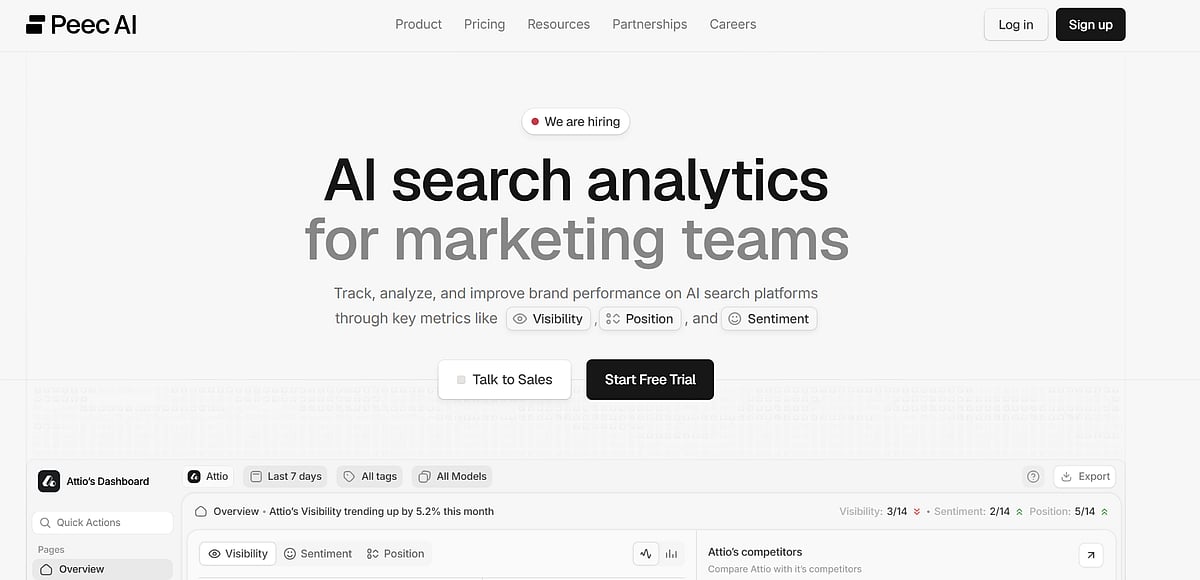
3. Peec AI
Best for: Best for clean AI-search analytics and marketing-team reporting
Peec AI is one of the clearest analytics-first products in the category. It focuses on visibility, average position, sentiment, share of voice, competitor comparisons, and source intelligence. The interface is easy for marketing teams to understand, and the platform has expanded into AI-referral analytics so teams can connect visibility with sessions, engagement, conversions, and revenue from AI assistants.
Why it stands out
-
Clear visibility, position, sentiment, and share-of-voice metrics
-
Competitor benchmarking by engine
-
Source and citation intelligence
-
AI-referral analytics for connecting visibility with website outcomes
Watch-out: Teams that want a broader content-production or technical-optimization suite may need to pair it with other tools.
4. Otterly.AI
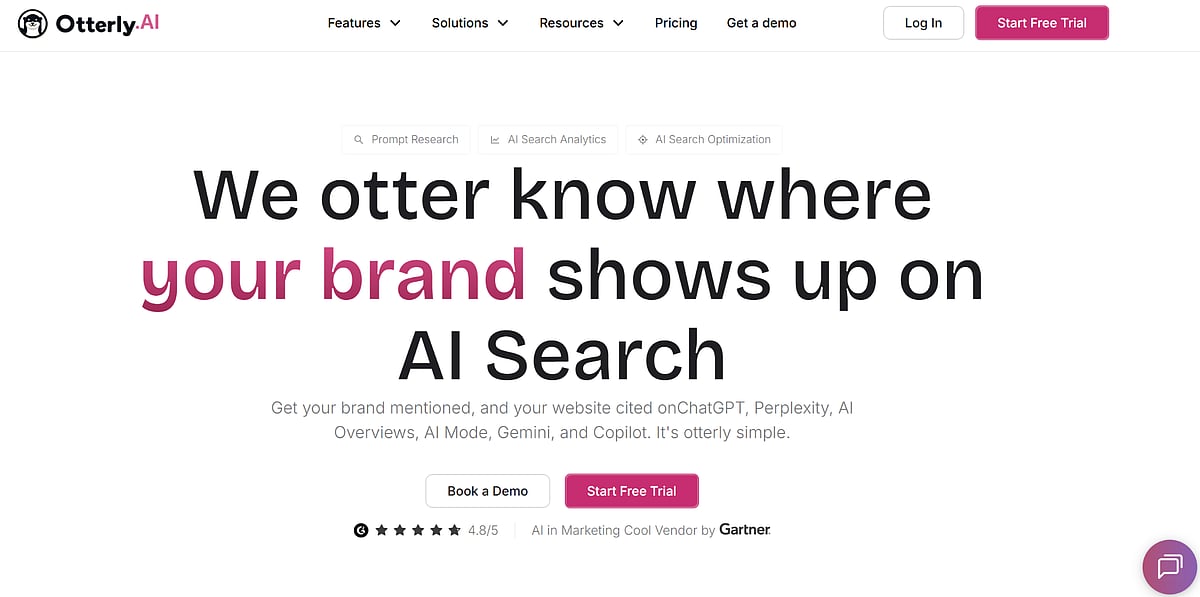
Best for: Best for approachable daily monitoring across major AI-search engines
Otterly.AI is a strong option for teams that want an approachable AI-search monitoring platform without a steep learning curve. It tracks brand and content visibility across major AI experiences and updates monitored prompts daily. The platform also combines prompt research, analytics, content intelligence, and agent analytics for teams that want to understand both AI answers and crawler activity.
Why it stands out
-
Daily monitoring across major AI-search platforms
-
Prompt research and AI-search analytics
-
Citation and brand-mention tracking
-
Agent analytics for monitoring AI crawler activity
Watch-out: Enterprise teams may still prefer a platform with deeper organization-wide governance or more complex custom reporting.
5. SE Visible
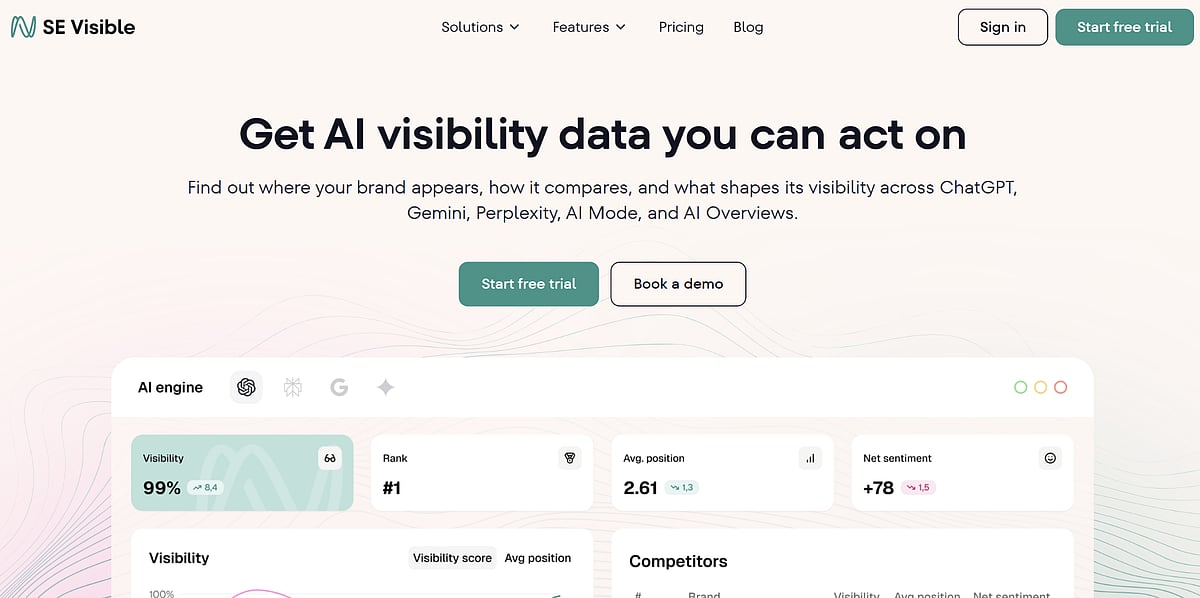
Best for: Best for SEO teams that want defensible AI-visibility reporting
SE Visible, built by SE Ranking, is designed around reportable AI-search metrics. It tracks visibility, share of voice, sentiment, average position, competitors, prompts, and cited sources across ChatGPT, Gemini, Perplexity, Google AI Mode, and AI Overviews. It also emphasizes browser-based collection and daily refreshes, which will appeal to teams that want data closer to what users actually see.
Why it stands out
-
Daily browser-based collection across five major AI surfaces
-
Visibility, share of voice, sentiment, position, and citation analysis
-
Strong competitor and prompt-level reporting
-
Useful fit for agencies and SEO teams familiar with SE Ranking
Watch-out: Coverage is strong, but teams that require every emerging AI assistant should confirm the platform list against their own market before committing.
6. Writesonic
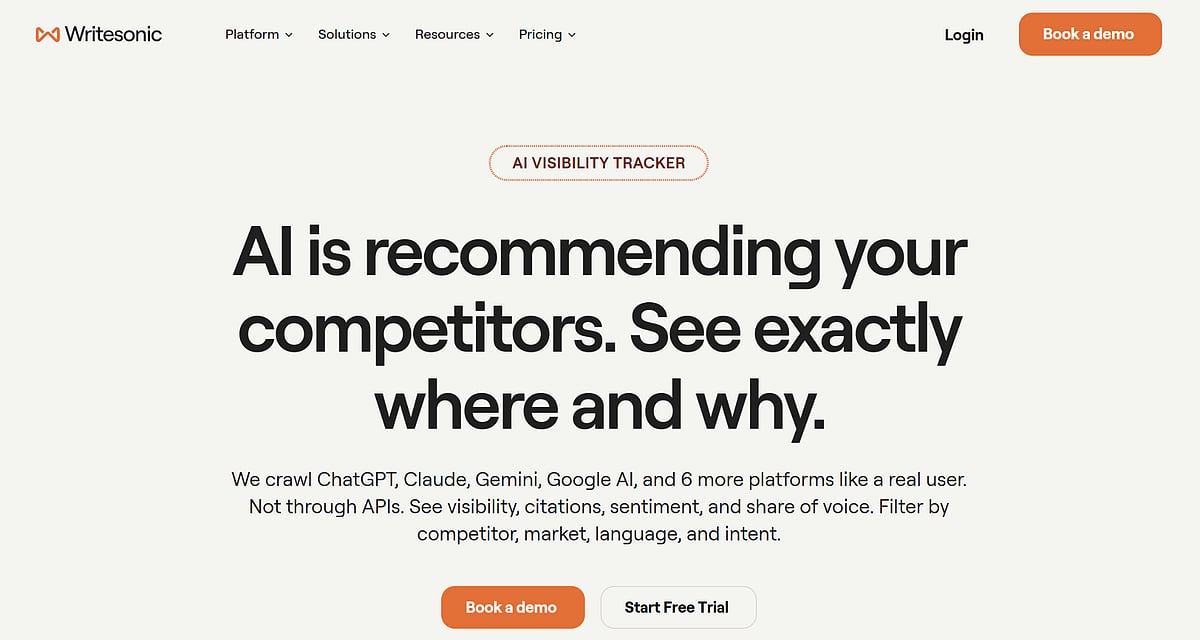
Best for: Best for teams that want AI visibility connected to execution
Writesonic has evolved from a content platform into a broader AI-search growth suite. Its visibility tracker monitors multiple AI platforms through web-interface collection and combines visibility scores, citation analysis, competitive benchmarking, prompt-level data, sentiment, themes, and query fan-outs. The major difference is execution: the platform is designed to move from insight into content, citations, and technical optimization.
Why it stands out
-
Tracks visibility across a broad set of AI platforms
-
Citation analysis, sentiment, share of voice, and prompt-level data
-
Query fan-out and prompt-volume features
-
Built-in action workflows for content and optimization
Watch-out: Businesses that only want a focused monitoring dashboard may find the wider suite broader than necessary.
7. Scrunch
Best for: Best for enterprise teams combining monitoring with AI-ready web experiences
Scrunch takes a broader approach than a conventional visibility tracker. Alongside prompt monitoring, competitor benchmarking, citation analysis, and trend reporting, it focuses on improving how websites are consumed by AI agents. That makes it interesting for enterprises that see AI visibility as both an analytics problem and a website-experience problem.
Why it stands out
-
Prompt monitoring and citation intelligence
-
Competitor benchmarking and trend analysis
-
AI customer-experience and website-readiness focus
-
Useful for enterprises that want to act on visibility gaps
Watch-out: The broader AI-experience approach may be unnecessary for smaller brands that only need basic monitoring.
8. PromptWatch
Best for: Best for revenue-focused teams that want monitoring plus optimization workflows
PromptWatch positions AI search as a measurable acquisition channel. It tracks prompts, citations, brand visibility, competitors, and analytics across major AI engines, while also extending into content and technical optimization. That makes it a strong fit for commercial teams that want to connect AI visibility with traffic and growth rather than treat it as a standalone awareness metric.
Why it stands out
-
Prompt and brand-visibility tracking across major AI engines
-
Citation analysis and competitor intelligence
-
Revenue-oriented reporting mindset
-
Optimization workflows that go beyond passive monitoring
Watch-out: As with any platform using proprietary visibility metrics, teams should validate the tracked prompt set and methodology against their own buyer journey.
How to choose the right AI visibility tool
Start with the prompts, not the dashboard
Build a representative set of buyer, comparison, category, and branded prompts before comparing tools. A polished score is only useful if the prompt sample reflects the questions your audience actually asks.
Check how data is collected
Browser-based and API-based methods can produce different outputs. Ask vendors what they collect, how often they rerun prompts, and whether location, language, personalization, or model versions affect the results.
Separate mentions from citations
A brand mention tells you that the model knows about you. A citation tells you which source helped shape the answer. Both matter, but they answer different questions.
Measure competitors at the same time
AI visibility is relative. A 30% mention rate means little without knowing whether your closest competitor is at 10% or 70%.
Connect visibility to business outcomes
The most mature measurement programmes link AI visibility with referral traffic, branded search, assisted conversions, leads, or revenue rather than treating visibility as an isolated vanity metric.
Final take
AI visibility tools are quickly becoming part of the marketing analytics stack. Llumo takes the top position in this comparison because it combines broad monitoring, citation intelligence, competitive analysis, query fan-out, and accessible deployment in one platform. Profound is a strong enterprise option, Peec AI is particularly clean for analytics-led marketing teams, and Otterly.AI remains an approachable choice for daily monitoring. SE Visible, Writesonic, Scrunch, and PromptWatch each bring a distinct strength depending on whether the priority is SEO reporting, execution, AI-ready site experiences, or revenue-oriented GEO workflows.
Disclosure: Llumo is included in this comparison and is a product with which the contributor has a vested interest. Competitors are included for editorial comparison. No competitor hyperlinks have been added.
Research note: Feature descriptions were checked against current official product information in September 2026. AI visibility platforms evolve quickly, so buyers should confirm current engine coverage and plan limits before purchase.