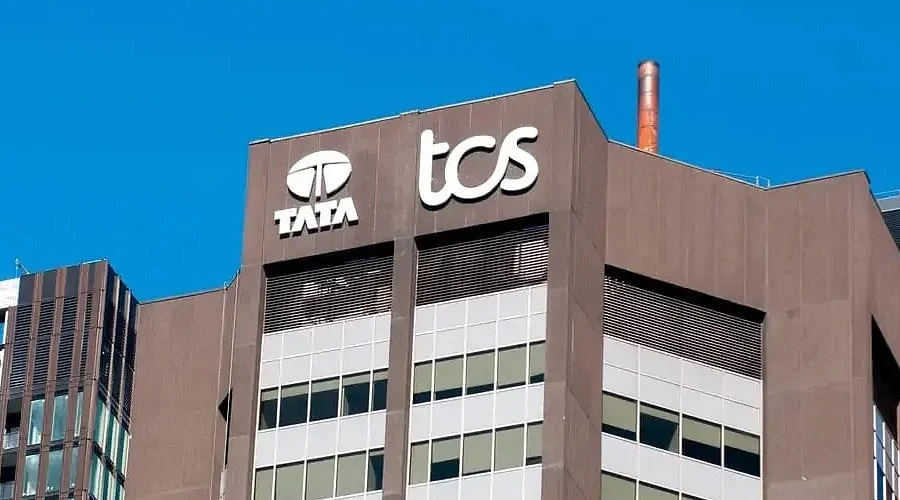
Tata Consultancy Services (TCS) delivered solid growth for the second quarter, according to its official earnings announcement. The company’s consolidated revenue from operations climbed 11.2% year-on-year, and rose 1.3% quarter-on-quarter to reach Rs. 73,188 crore, compared to Rs. 72,275 crore previously. Additionally, net profit saw a 15% increase, coming in at Rs. 13,884 crore.
A standout highlight from the financial release was the upward trajectory of TCS’s annualized artificial intelligence revenue, which climbed to USD 3.1 billion from USD 2.6 billion in the prior quarter. AI-driven business now represents over 10% of the firm’s total revenue. Furthermore, the company secured total contract wins valued at USD 9.6 billion over the course of the quarter. Aarthi Subramanian, TCS Executive Director, President and Chief Operating Officer, noted, “Demand for delivering business outcomes with AI-native solutions, AI-led transformation of enterprise systems and autonomous GBS continues to accelerate.”
These figures were released while TCS stock continued to face downward pressure. The share price has experienced a steep drop from its 52-week high, marking a decline of roughly 35.7%. Market participants are closely evaluating how artificial intelligence will shape IT budgets, pricing models, and long-term expansion. Alongside the financial disclosures, TCS declared a second interim dividend of Rs. 12 per share. The firm also expanded its workforce by 4,000 employees during the quarter, indicating that the need for skilled talent persists even as AI reshapes segments of the technology sector.
The milestone of USD 3.1 billion in AI revenue highlights the rapid integration of artificial intelligence into the core of TCS operations. The enterprise is undertaking an increasing number of AI initiatives for its clients while simultaneously funding the necessary infrastructure to back these projects.
MHP and Best Buy Support the Bigger Plan
The agreements involving MHP and Best Buy align directly with this overarching strategy. TCS reached an agreement to buy Porsche’s technology subsidiary, MHP, which bolsters its capabilities in automotive tech, manufacturing, and AI. It also broadened its Global Capability Center (GCC) operations via a deal centered on Best Buy’s Bengaluru division.
Such initiatives grant TCS entry into fresh capabilities, a broader client base, and new operational domains. Concurrently, the firm’s artificial intelligence infrastructure initiatives provide additional runway for expansion. The primary test moving forward will be translating these capital deployments into consistent commercial growth.
TCS is transitioning into a fresh chapter where artificial intelligence, corporate buyouts, and infrastructure development operate in tandem. While the Q2 figures reflect robust gains in both revenue and earnings, the downward movement in the stock indicates that shareholders are looking for further reassurance. The upcoming quarters will determine whether the organization can successfully convert its AI momentum into enduring prosperity.