Ahead of the November midterm elections, the US cryptocurrency industry is confronting a challenging political dilemma following the Senate’s rejection of a significant digital asset market-structure bill. Crypto firms and political action committees must now determine whether to retaliate against Democrats who voted against the measure or safeguard bipartisan ties that would matter should Democrats recapture the Senate. Across the 2024 and 2026 election cycles, the sector has invested upwards of USD 300 million to support candidates from both parties to help pass favorable crypto legislation.
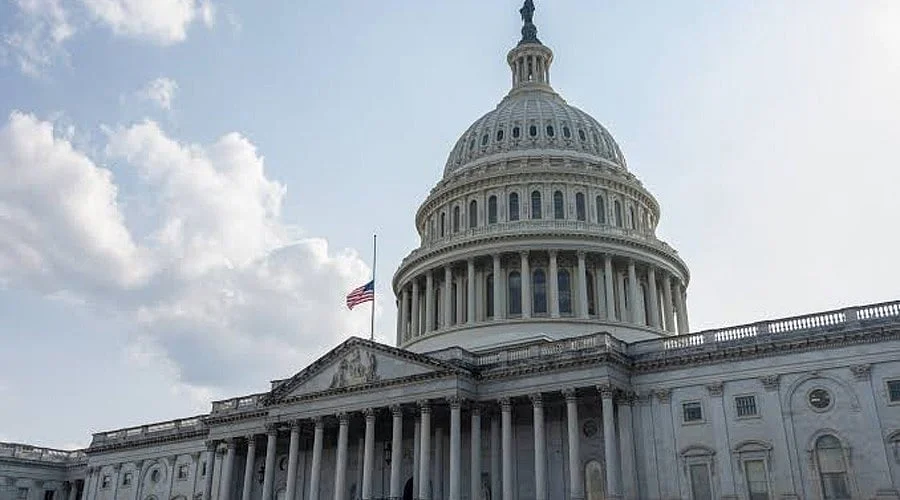
This legislative roadblock occurred last month when Senate Democrats, joined by four Republicans, blocked the advancement of the Clarity Act, which the industry had considered a vital milestone for creating clearer US digital asset regulations.
Clarity Act Defeat Changes Crypto’s Political Strategy
The defeat of the bill has heightened friction between digital asset donors and certain Democratic legislators. Discussions were further complicated by worries surrounding President Donald Trump’s private cryptocurrency ventures, as Democrats pushed for tighter limits on crypto dealings tied to government officials.
The sector now confronts a difficult choice. Adopting a hostile posture against Democrats might appease donors who want political retribution, but it risks alienating lawmakers who could steer future cryptocurrency laws. This worry carries extra weight because nine Democratic senators facing re-election were previously counted among the industry’s potential friends.
Crypto PACs Continue Spending in Key Races
Crypto-backed political organizations are actively deploying funds for the midterms. Fairshake, a prominent crypto super PAC funded by firms such as Ripple and Coinbase, entered 2026 with roughly USD 193 million and has already financed 57 races this election cycle. The super PAC recently backed 32 House candidates across both political parties.
The organization is also allocating substantial resources to oppose former Ohio Senator Sherrod Brown, a Democrat and vocal opponent of the industry’s political footprint. Fairshake previously poured about USD 40 million into efforts that defeated Brown in 2024 and is now financing campaigns to block his return to the Senate.
Also Read: How Trump’s Crypto Push Could Reshape the US Market
Industry Weighs Bipartisan Approach
Alternative crypto groups are opting for a more expansive strategy instead of cutting ties with Democratic supporters. Stand With Crypto, a nonprofit backed by Coinbase, has thrown its support behind candidates from both sides of the aisle who backed the Clarity Act.
Executives within the sector argue that preserving bipartisan connections may outweigh the benefits of a punitive election strategy. Because a Democratic Senate would secure committee leadership and heightened oversight over digital asset firms, maintaining ties with politicians like Mark Warner and Cory Booker remains crucial.
For cryptocurrency donors, the pressing test is how to weigh political payback against long-term legislative objectives. With the midterms just weeks away, the industry’s financial choices will likely impact specific contests alongside its capacity to steer future crypto policy.