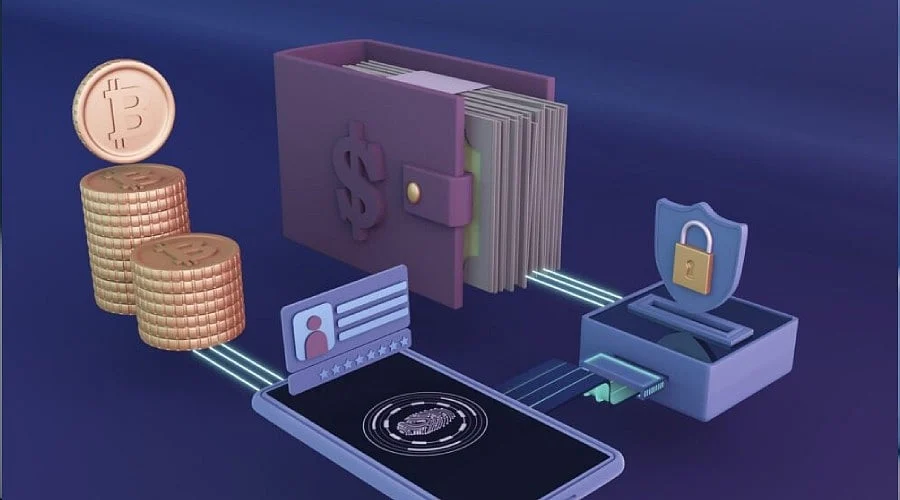
Digital asset platforms are rapidly evolving from basic exchanges into comprehensive “super apps” that house trading tools, payment gateways, staking features, digital wallets, derivatives, lending services, and stablecoins under a single umbrella.
This design eliminates friction in asset transfers by allowing users to access multiple services without having to shift funds across different platforms. At the same time, housing all funds and financial activities with a single operator concentrates operational, cybersecurity, and custody vulnerabilities.
Why Crypto Super Apps are Growing
Consumers increasingly look for crypto platforms that mirror the seamless experience of mainstream fintech applications. Rather than juggling multiple separate accounts for custody, staking, payments, and trading, individuals can manage everything through one unified dashboard.
For businesses, this approach drives higher customer engagement and boosts revenue per user. Someone who initially signs up just to purchase Bitcoin might eventually branch out into trading altcoins, utilizing payment options, or exploring alternative investment products.
India’s CoinSwitch is a prime example of the growth potential in this space. The firm posted FY2026 revenue of Rs. 324.19 crore—a 150% increase year-over-year—alongside an adjusted EBITDA of Rs. 86.38 crore. CoinSwitch also reported supporting over two crore users and offering more than 450 digital assets.
Furthermore, the company has ventured into institutional custody through DigiVault, highlighting how digital asset providers are pushing well beyond simple retail trading.
Convenience Creates Custody Questions
The core dilemma revolves around asset control. On custodial platforms, the provider typically manages private keys and handles withdrawal requests. While this streamlines transactions and account recovery, it introduces significant counterparty and infrastructure dependencies.
The scale of this exposure was underscored by the September 2026 security breach at Bitget. The platform acknowledged that roughly USD 387.5 million was funneled to attacker-controlled addresses following a security failure within a critical backend component of its custodial wallet architecture. Bitget noted that its private keys, cold storage wallets, and the distinct self-custodial Bitget Wallet remained secure.
Choosing self-custody removes reliance on a centralized third party, but it brings its own set of challenges, including the risk of lost recovery phrases, compromised hardware, and malicious smart-contract permissions.
Platform Can be a Failure Point
A super app bundles custody, trading, and payment functions into a single user account. Should the platform experience a cyberattack, face operational hurdles, suspend withdrawals, or freeze an account, multiple financial operations can grind to a halt simultaneously.
As a result, asset custody is drawing heightened regulatory scrutiny. On October 1, the US Securities and Exchange Commission put forward a regulatory framework outlining how registered investment advisers and regulated funds must safeguard digital assets. The rule proposal would also permit self-custody under specific conditions and allow state trust companies to act as custodians.
Diversification Goes Beyond Different Coins
Holding a mix of Ether, Bitcoin, and stablecoins on a single exchange offers asset diversification, but it fails to provide custodian diversification.
To mitigate this, users might consider keeping long-term investments separate from capital allocated for daily trading. It is also vital to thoroughly review withdrawal protocols, security safeguards, and account recovery options before entrusting a significant volume of assets to any single ecosystem.
Final Thoughts
While crypto super apps greatly simplify the management of digital assets, convenience should never overshadow counterparty, cybersecurity, and custody risks. Users need to verify where their funds are stored, examine how withdrawals operate, and plan for potential disruptions in platform availability.
Also Read: Crypto News Today: Bitcoin, Ethereum Rise; Zcash Falls 15.5%
FAQs:
1. What is a crypto super app?
A crypto super app combines multiple services such as trading, payments, wallets, staking, lending, and custody within one ecosystem, reducing the need to use several separate platforms.
2. Why are crypto platforms becoming super apps?
Super apps can simplify the user experience while increasing engagement for platforms. Users can access multiple crypto products without repeatedly moving assets between different accounts or services.
3. What are the main risks of using one crypto platform?
Using one platform can concentrate custody, cybersecurity, operational, and counterparty risks. A security breach, withdrawal suspension, or account restriction could affect several financial activities simultaneously.
4. Does holding different cryptocurrencies on one platform provide diversification?
It provides asset diversification but not custodian diversification. Holding Bitcoin, Ether, and stablecoins with the same provider still leaves all those assets exposed to risks associated with that platform.
5. How can users reduce crypto super app custody risks?
Users can understand who controls their private keys, review withdrawal and recovery procedures, and consider separating long-term holdings from funds used for active trading or payments.