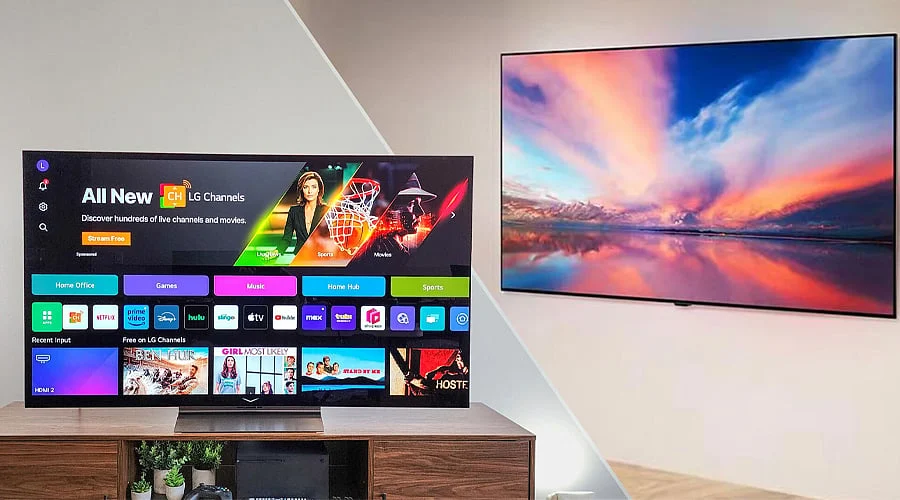
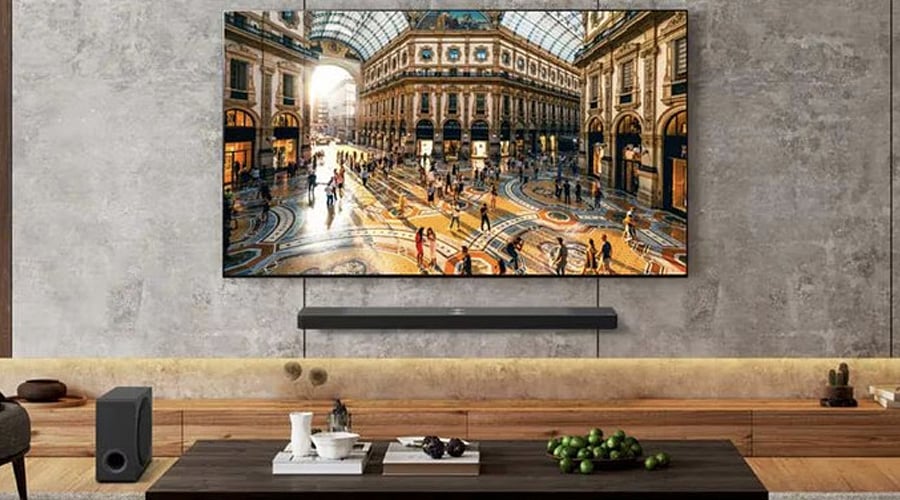
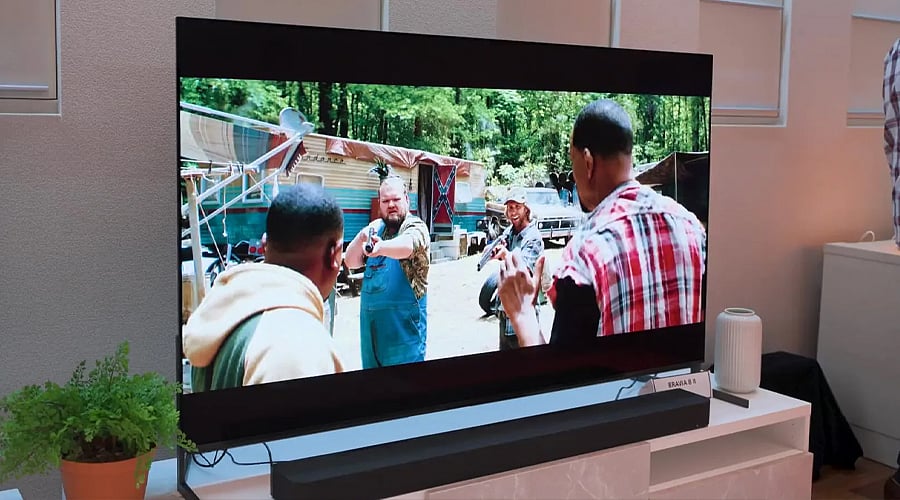
Compare the LG B-Series and C-Series OLED TVs to understand differences in brightness, processing power, gaming performance, and pricing to choose the right model for your home.
While both the LG B-Series and C-Series OLED TVs feature self-lit OLED pixels, 4K resolution, deep blacks, Dolby Vision, and robust gaming support, the C-Series occupies a higher tier in LG’s catalog. It typically incorporates a more powerful processor, increased brightness, and an expanded set of premium features. Conversely, the B-Series aims to provide essential OLED performance at a more accessible price point.
Picture Brightness
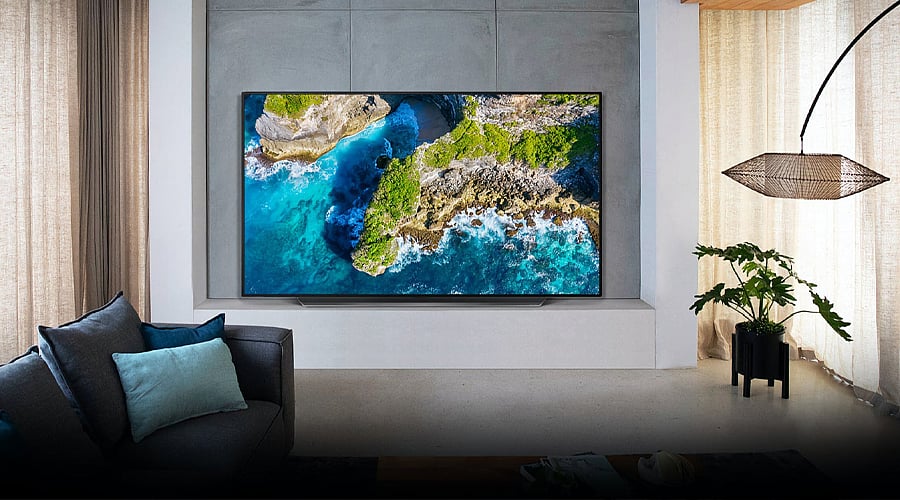
Luminosity represents the most significant visual distinction. Recent generations of C-Series units are equipped with LG’s Brightness Booster technology, which allows highlights to punch through more effectively in well-lit environments. B-Series sets generally do not feature this brightness enhancement. Although both lines benefit from exceptional pixel-level contrast, the C-Series manages daytime environments and HDR highlights more adeptly under real-world conditions.
Processing Power
Internal processing further divides the two lineups. Modern C-Series televisions rely on LG’s Alpha 9 processor, whereas B-Series models utilize the Alpha 8 processor. The superior chip found in the C-Series manages image enhancement, upscaling, and optimization tasks more efficiently. Users will notice this capability most when viewing lower-resolution content or handling complex picture configurations.
Gaming Performance
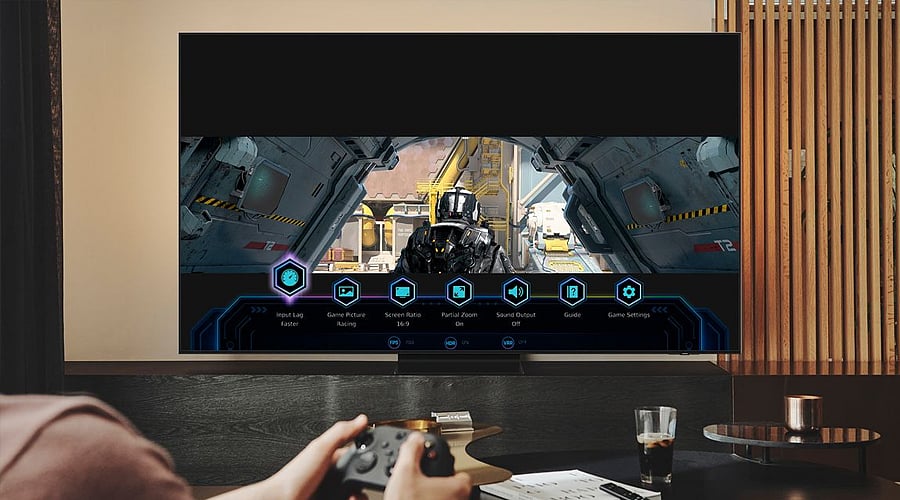
Both lineups excel at gaming, ensuring that either series pairs well with modern consoles and PCs. Current B-Series units accommodate 4K gaming up to 120Hz, alongside variable refresh rate (VRR), AMD FreeSync Premium, and NVIDIA G-SYNC compatibilities. Meanwhile, recent C-Series options push refresh rates even higher, reaching up to 144Hz depending on the specific release and regional availability.
Audio Capabilities
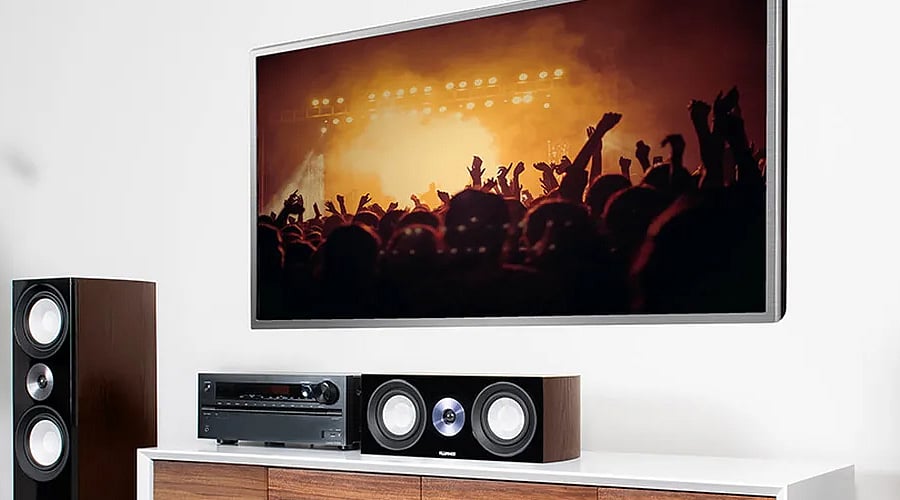
Sound performance varies between the two as well. The C-Series usually features a more robust internal speaker array, whereas the B-Series relies on more basic audio components. Both incorporate Dolby Atmos support, allowing compatible mixes to deliver immersive soundscapes. For home theater enthusiasts utilizing an external soundbar or AV receiver, the differences in internal speakers may prove secondary to visual quality.
Sizes and Availability
Screen sizes can also guide your purchasing decision. The B-Series generally focuses on mainstream dimensions, whereas the C-Series has traditionally provided a broader size variety, encompassing compact 42-inch and 48-inch variants. Stock availability varies by product generation and regional market. Shoppers should carefully verify exact model numbers, screen dimensions, processing chips, refresh rates, and local specifications prior to purchase.
Which Series Fits?
The B-Series is ideal for consumers who want signature OLED contrast while keeping costs down. The C-Series is better suited for individuals seeking enhanced brightness, superior processing capabilities, and advanced gaming specs. Buyers should weigh current market pricing against the specific performance upgrades provided, as promotional discounts can heavily influence the overall value proposition before finalizing a purchase.
Join our WhatsApp Channel to get the latest news, exclusives and videos on WhatsApp