Overview:
-
HeyGen stands out as the premier overall AI avatar platform for most video production needs.
-
Synthesia and Colossyan provide the strongest options for corporate training and workplace education.
-
D-ID, Tavus, Hedra, Vidnoz, and Captions cater to developers, digital twins, content creators, budget-conscious users, and social media platforms, respectively.
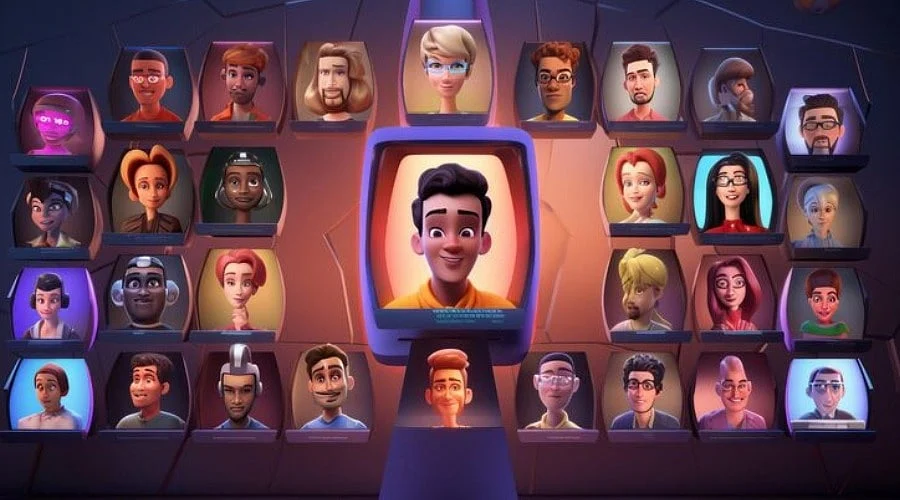
Artificial intelligence avatar technology has advanced significantly beyond the stiff, robotic talking characters seen a couple of years ago. Users can now easily generate realistic presenters, clone voices, produce videos in dozens of languages, and utilize live digital twins capable of interacting with people in real time. The ideal tool depends heavily on your specific output goals, required realism, and budget constraints. Below are the leading market options available for exploration.
HeyGen
HeyGen effortlessly handles social media clips, product demos, marketing videos, multilingual projects, and personal digital clones without feeling inadequate in any category. It delivers convincing lip-syncing, excellent voice variety, and extensive language support.
Its pricing structure is transparent. A free plan is available alongside a Creator tier priced at USD 29 per month, which supplies 600 credits, 1080p exporting, voice cloning, zero watermarks, and support for over 175 languages and dialects. The Pro plan costs USD 49 monthly, increasing the credit limit to 1,000 and the export resolution to 4K. These options suit hobbyists and professional teams alike.
Synthesia
Synthesia remains the preferred choice for most businesses. It is designed for onboarding, compliance training, internal communications, and learning programs, offering robust support for avatars, video dubbing, team collaboration, and more than 160 languages. A free Basic plan is available, while the Starter option begins at USD 29 per month (with discounts for annual billing).
Unlike HeyGen, it functions less like a tool for general content creators and more like an enterprise workspace solution, focusing heavily on administrative controls and structured content delivery. For companies designing corporate training programs, this targeted approach fits the requirement.
Also Read – YouTube Introduces AI Digital Twins to Help Creators Make Shorts
Hedra
Hedra represents a newer option geared toward individual creators. It is well-suited for users wanting to test various avatar styles and formats without incurring enterprise-level expenses. Users can generate short-form videos, social posts, and experimental projects featuring AI characters. It serves as an economical choice rather than a direct substitute for Synthesia in large-scale corporate deployments.
Colossyan
Colossyan centers on workplace learning by incorporating interactive elements. It facilitates the creation of scenario-based lessons, quizzes, and branching storylines where audience decisions dictate subsequent events. This functionality goes far beyond a presenter simply reading a script, securing Colossyan a distinct position in corporate education.
D-ID: for Developers and Real-time Avatars
D-ID is the primary solution when an avatar needs integration within a custom application. Providing robust APIs and developer tools, it transforms a single static photograph into a talking character while supporting conversational avatars. The platform places greater emphasis on live digital characters than on pre-rendered video files.
Tavus
Tavus is a more specialized platform optimized for personalized video generation and real-time digital twins. This makes it ideal for businesses seeking avatars to manage one-to-one communications. For basic social media clips, it may be overly complex, but it excels when an avatar must authentically represent a real individual.
Vidnoz
Vidnoz provides an affordable entry point. Its free tier allows users to test functionalities before purchasing a subscription, offering a solid range of avatar tools for basic presentations, social media snippets, and creative trials. While less polished than HeyGen, it effectively serves initial exploratory needs.
Captions
Captions is engineered specifically for short-form social media content and mobile devices. For users prioritizing speed and user-friendly operation over advanced enterprise functionality, it offers a practical way to produce quick avatar videos on the move.
Also Read – Digital Twins, AI, and IoT: India’s Blueprint for Industrial Growth in 2026
Which One Should You Pick?
HeyGen leads as the best overall choice, while Synthesia dominates corporate training. Colossyan excels in interactive learning modules, D-ID caters to developers, and Tavus manages conversational digital twins. Hedra offers creative flexibility, Vidnoz provides a budget-conscious entry point, and Captions targets mobile-focused social media content.
The defining trend is increased specialization. Rather than trying to match identical feature sets, each platform now serves a distinct niche, making the selection process straightforward once your video format is established.
FAQs
1. What is the best AI avatar generator in 2026?
HeyGen remains the top overall selection, offering high-quality avatars, diverse voice selections, multilingual capabilities, and specialized tools for marketing, social media, and digital clones.
2. Is Synthesia better than HeyGen?
Synthesia is better optimized for corporate training, employee onboarding, regulatory compliance, and workplace education. HeyGen provides a broader utility spectrum for independent creators, marketers, and general video makers.
3. Which AI avatar tool is best for creators?
Hedra delivers strong creative flexibility, whereas Captions is exceptionally well-suited for short-form social media and mobile video production.
4. Which AI avatar generator is best for developers?
D-ID is the leading choice for developers due to its specialized application programming interface and real-time avatar capabilities.
5. Which AI tool is best for digital twins?
Tavus stands out as a powerful option for generating conversational digital twins and facilitating personalized one-to-one video interactions.