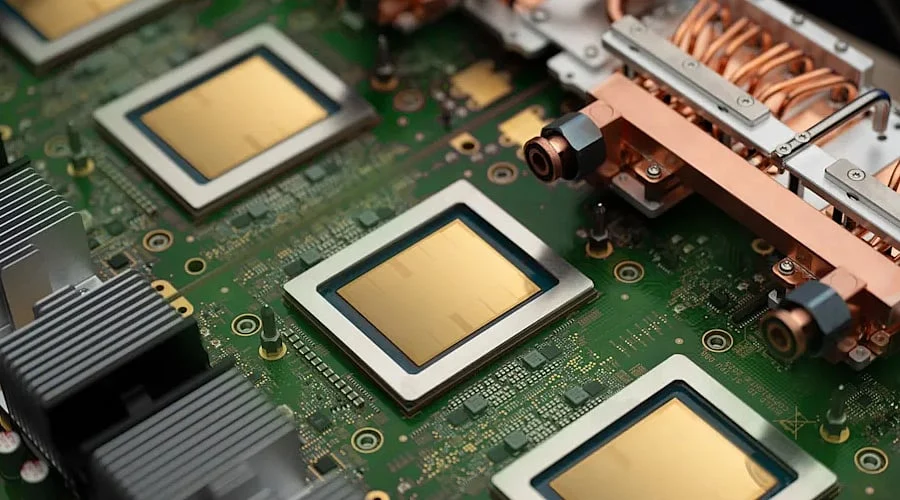
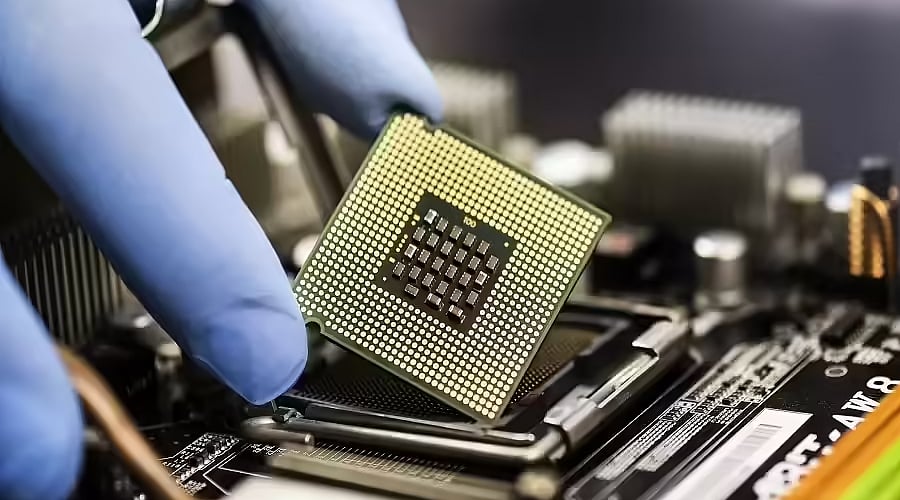
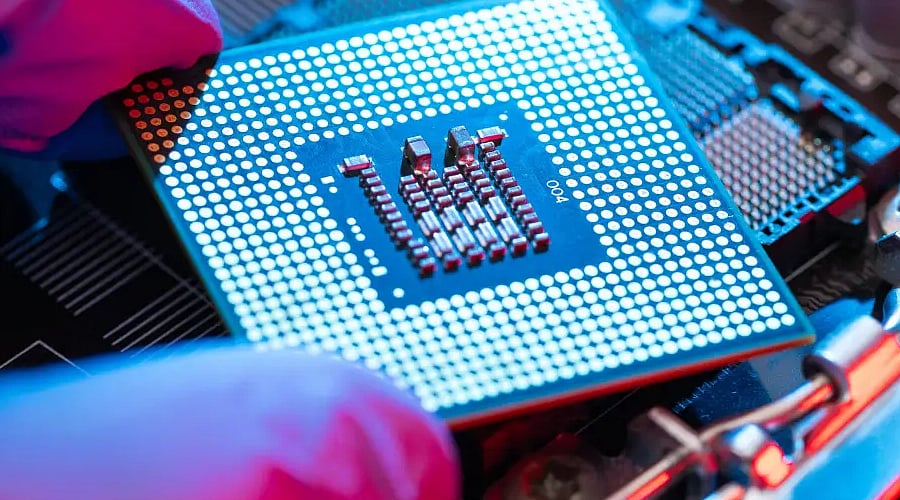
While Nvidia’s AI GPUs remain central to the artificial intelligence infrastructure boom, their steep price tags are driving major technology firms to engineer proprietary chips. Tailored AI silicon can be engineered for targeted workloads, enabling businesses to manage expenses and boost efficiency at massive scale.
To lessen their reliance on off-the-shelf GPUs, tech giants like Google, Amazon, Microsoft, and Meta are creating their own AI accelerators. Google deploys TPUs, Amazon relies on Trainium, Microsoft produces Maia, and Meta utilizes MTIA, with each processor built specifically for the respective firm’s data centers and AI operations.
Reducing inference costs serves as the primary motivator. Rather than handling every conceivable workload, custom application-specific integrated circuits (ASICs) can be fine-tuned for particular AI functions. Amazon notes that its Trainium chips enhance price-performance ratios, and its newer Trainium3 infrastructure aims to decrease operational costs for extensive AI tasks.
The development of proprietary AI processors likewise fosters a broader supply chain. Marvell and Broadcom assist hyperscalers in transforming chip blueprints into production-ready ASICs, and Arm supplies architectural frameworks and licensing. This workflow links silicon conceptualization with cutting-edge production and packaging.
Connectivity and memory play equally vital roles. AI accelerators depend on rapid interconnects between processors alongside high-bandwidth memory. Businesses such as Credo, Micron, Astera Labs, and Arista supply the networking, Ethernet, memory, and data-center connections essential for large-scale AI frameworks.
Cutting-edge packaging and manufacturing continue to form essential pillars of the AI hardware ecosystem. TSMC acts as a primary manufacturing foundry for advanced AI processors, utilizing CoWoS packaging to enable high-performance accelerator setups, while Samsung offers additional semiconductor production capacity. Overall, the supply chain stretches from raw wafers to packaging and high-bandwidth memory.
The competition in AI hardware extends well beyond the processor itself. High-density AI server racks demand sophisticated cooling mechanisms, power infrastructure, optical links, and advanced networking. A wide array of enterprises across these sectors underpins the expanding infrastructure, turning bespoke AI silicon into a comprehensive ecosystem encompassing processors, memory, fabrication plants, networking, cooling, and power management.
Join our WhatsApp Channel to get the latest news, exclusives and videos on WhatsApp