As India undergoes rapid digital transformation, the enterprise technology ecosystem across various industries is widening. The integration of cloud computing, interconnected environments, and artificial intelligence generates new avenues for growth while simultaneously expanding the attack surface for cyber threats.
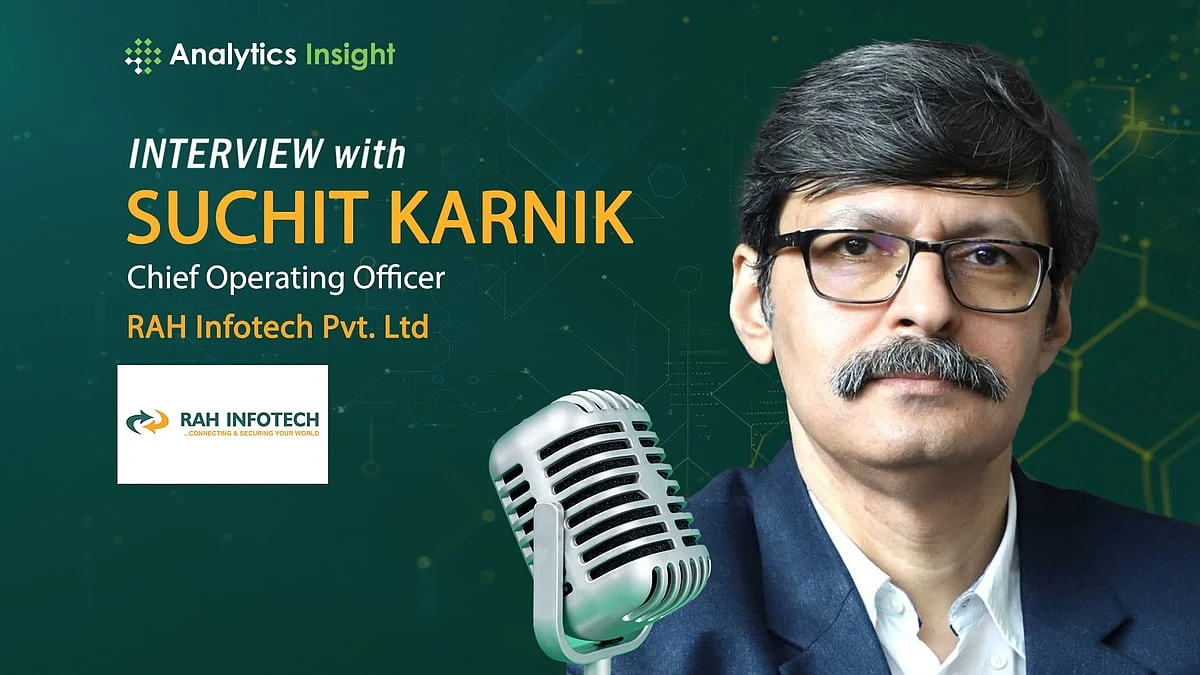
During this installment of the Analytics Insight Podcast, host Priya Dialani is joined by Suchit Karnik, Chief Operating Officer at RAH Infotech, to explore the evolving threat landscape and the increasing necessity of cyber resilience.
Throughout the conversation, Karnik outlines how businesses can transition past conventional security frameworks. He highlights the rising significance of identity as a foundational defense layer, methods for improving cloud governance, and the vital role of data classification and staff training under India’s data protection regulations.
Highlighted selections from the interview include:
What Does the Shift from Cybersecurity to Cyber Resilience Mean?
I view cyber resilience as an organization’s capacity to prepare for, react to, and maintain operations during and after a security breach. Businesses cannot realistically expect to block every single attack. Because the modern threat ecosystem spans credentials, email systems, cloud applications, and diverse access vectors, one malicious email is enough to leak confidential data and cause severe financial and reputational harm. Consequently, resilience must be treated as a core business necessity rather than a mere IT task. Furthermore, AI technologies are generating fresh vulnerabilities involving deepfakes, voice spoofing, and advanced identity exploits. Companies must elevate cybersecurity discussions to the boardroom, embedding resilience directly into broader corporate strategy.
Why has Identity Become a Critical Layer in Enterprise Security?
Identity now functions as one of the primary defensive barriers for modern corporations. Since every user holds distinct access privileges, enterprises must maintain clear visibility into user identities and their authorized permissions. Implementing identity and access management, privileged access management, and robust verification processes helps enforce these boundaries. Additionally, businesses require comprehensive audit logs and rule-based access policies. The shift to cloud computing amplifies this challenge, as personnel constantly access corporate applications and data using multiple devices from various locations. Consequently, passwordless authentication is gaining traction, making strong identity verification essential to guarantee that only authorized individuals reach sensitive infrastructure.
Why are Governance and Data Classification Important for Cloud Security?
Governance forms an indispensable component of cybersecurity, particularly as companies migrate increasing volumes of workloads and data into cloud environments. The initial phase requires categorizing information according to its sensitivity and overall value. Following this, enterprises must train the personnel who interact with these datasets. Data must remain secure regardless of its physical or virtual location—whether it resides on a laptop, an on-premises server, or a cloud repository. Personal data specifically demands rigorous handling protocols. Establishing comprehensive governance structures clarifies how teams should monitor, safeguard, and exchange information, while adherence to frameworks like ISO standards assists in building structured auditing practices and operational controls.
How is RAH Infotech Building its Role as a Trusted Advisor?
My primary goal upon joining RAH Infotech was to enhance our internal operational and governance frameworks. We strive to operate as dependable advisors for our customers and channel partners rather than relying strictly on an OEM-centric model. At present, more than 30% of our workforce of over 250 personnel occupy technical positions. We allocate substantial resources toward continuous training because deep technical expertise enables us to comprehend client pain points and propose optimal solutions. With approximately 85% to 90% of our revenue stemming from cybersecurity offerings, we maintain a solution-focused approach that empowers system integrators and end-users to evaluate their technical needs and resolve specific security challenges.
What Should Enterprises Prioritize as AI-Driven Threats Increase?
Companies must treat cybersecurity as a critical business driver instead of viewing it merely as an operational expense. The proliferation of AI will introduce novel security threats, such as deepfakes, voice manipulation, and targeted identity breaches. To counter these vulnerabilities, enterprises need to adopt stringent identity controls, enhanced governance procedures, and ongoing staff awareness programs. It is also vital to audit internal data assets and strictly regulate access permissions. Achieving true resilience requires looking past prevention alone and building robust incident response mechanisms. Ultimately, active involvement from senior leadership is imperative, given that cybersecurity directly impacts overall enterprise growth, reputation, and business continuity.