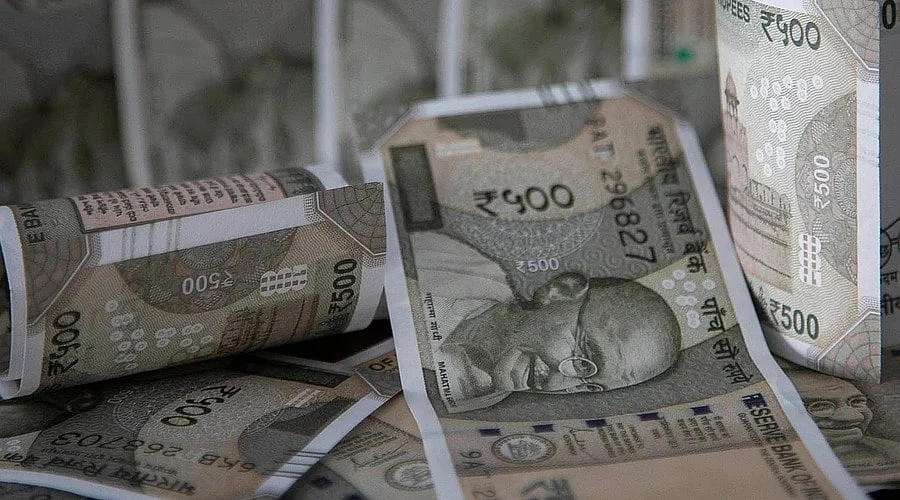
On Tuesday, the Indian rupee weakened to 96.43 against the US dollar, marking its lowest point in over two months. This decline follows a fall last week driven by foreign investors offloading Indian assets. Consequently, the currency has drifted closer to its all-time low of 96.96, which was recorded in May 2026. This downward movement has renewed speculation that the Reserve Bank of India might intervene to bolster the currency.
To mitigate the rupee’s decline, the RBI has actively sold dollars in the open market, satisfying robust dollar demand. Nevertheless, traders believe the depreciation will persist, fueled primarily by capital outflows from domestic markets. Furthermore, analysts anticipate that the currency will continue to weaken throughout the coming year.
Equipped with a substantial foreign exchange reserve, the central bank has previously utilized currency swaps to regulate dollar liquidity. Commenting on this approach, DBS noted, “While the FX intervention response has been strong, the central bank will prefer to time dollar sales to rationalise the use of the reserves buffer and prevent widening the ballooned short FX forward book.”
Although offloading dollars provides temporary relief, depleting reserves too rapidly could diminish the central bank’s capacity for future intervention.
Also Read: Rupee Trades Near 96 as Rising Oil Prices and US Yields Add Pressure
Foreign Selling is The Bigger Problem
Future movements of the rupee will rely largely on the trajectory of foreign investment. Should overseas investors persist in withdrawing capital from Indian markets, high demand for dollars is expected to remain. While the RBI can moderate the rate of decline, it may struggle to reverse the overall trend independently. Consequently, market participants are shifting their attention away from day-to-day fluctuations and toward the extent of support the central bank is prepared to offer.
Ultimately, the critical factor will be whether the outflow of foreign capital abates. If it does not, the RBI faces the challenge of sustaining the rupee while simultaneously safeguarding its dollar reserves.