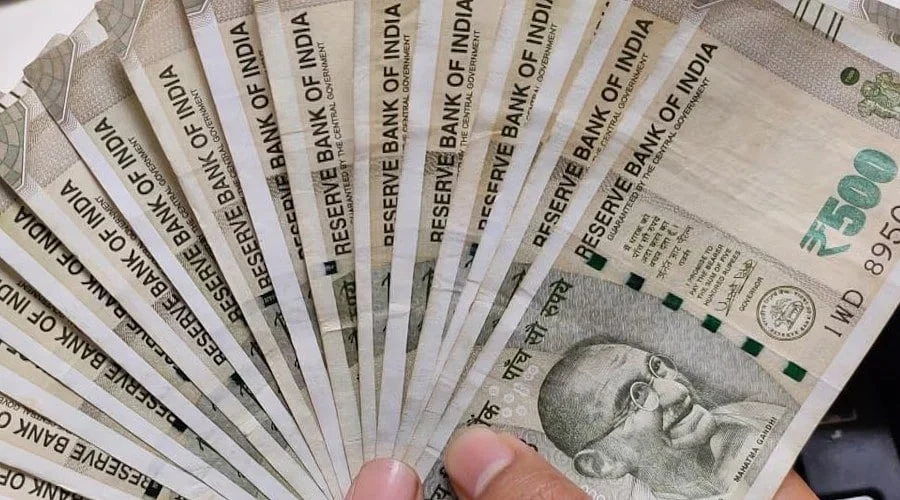
Following a brief respite, the Indian rupee resumed its downward trajectory against the US dollar after September 17, 2026. During early trade on Wednesday, September 30, the local currency dropped 3 paise to reach 95.97. After wrapping up Monday’s session at Rs. 95.78, the interbank foreign exchange market opened Wednesday with the currency at Rs. 95.87 before the fresh depreciation materialized.
This ongoing downward pressure is primarily driven by escalating crude oil prices alongside increased demand for the greenback from state-run oil refiners. In futures trading, Brent crude advanced 0.82 percent to register at USD 103.43 per barrel.
Addressing the broader market environment, Anindya Banerjee, head of commodity and currency research at Kotak Securities, noted: “The Reserve Bank has been an active presence, dealers report state-run bank dollar sales, and the USD 14.9 billion fall in reserves to USD 766 billion in the latest week is consistent with sizeable intervention while portfolio outflows of around USD 2.2 billion this month and firm US yields keep the pressure on.”
Additional headwinds stem from continuous foreign fund withdrawals, with foreign portfolio investors extracting approximately USD 2.7 billion throughout September. Meanwhile, state-owned banks have actively offloaded dollars in both spot and forward markets under the direction of the Reserve Bank of India, successfully preventing the dollar-rupee exchange rate from crossing the Rs. 96 threshold.
Also Read: Crude Oil Drops to $92, Rupee Jumps 28 Paise Against US Dollar
Why Higher Crude Prices Can Hurt The Rupee
As a nation that imports the vast majority of its crude oil requirements, India relies heavily on foreign energy supplies. When oil prices rise, domestic oil firms must procure additional dollars to settle payments with overseas suppliers. This surge in demand for the US currency weighs heavily on the rupee. Essentially, India must allocate a larger quantity of rupees to acquire the dollars necessary for energy imports, driving the local currency down relative to the dollar.
This effect is magnified when coinciding with concurrent pressures, such as foreign investors liquidating Indian holdings—which further spikes dollar demand—and elevated US yields that reinforce the strength of the dollar.