AI-Focused Curriculum: Modern data science programs now weave artificial intelligence concepts into their coursework, giving students a solid grasp of intelligent systems, automation, predictive modeling, and real-world business uses.
Machine Learning Training: Learners study machine learning algorithms alongside model evaluation and optimization methods, building systems capable of recognizing patterns and producing forecasts.
Generative AI Education: Higher education institutions are rapidly incorporating generative AI, large language models, and prompt engineering to ready graduates for upcoming roles in AI development.

Real-World Projects: Through hands-on assignments, industry datasets, and capstone projects, students translate theoretical concepts into practical solutions for complex challenges across various sectors.

Programming Skills: Curricula place a strong focus on Python, SQL, and other key programming languages, allowing students to handle datasets, construct models, streamline workflows, and evaluate information.

Cloud Computing Integration: Exposure to cloud platforms introduces students to scalable data infrastructure, distributed computing, and the deployment environments necessary for running professional AI applications.

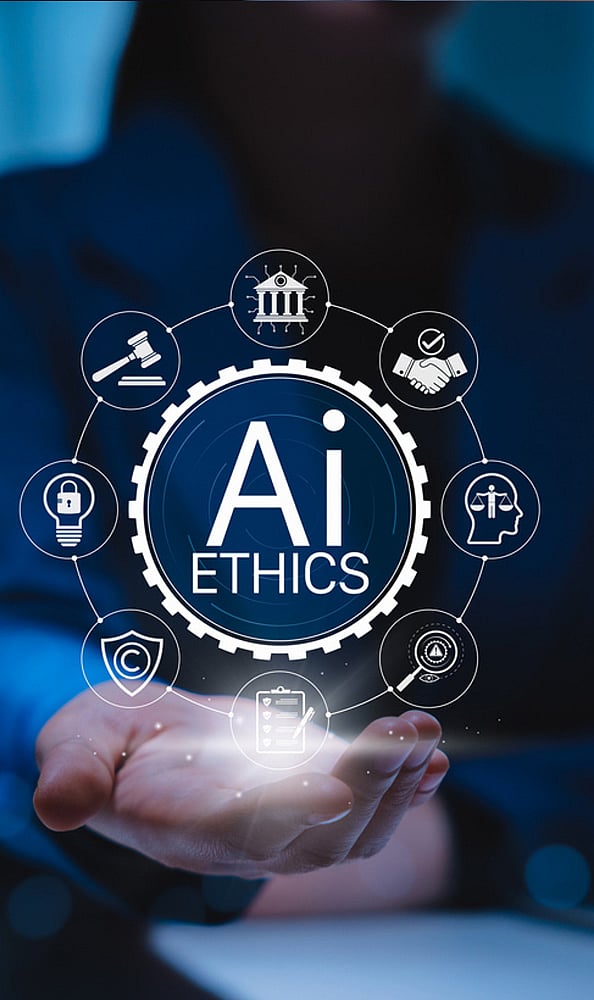
Responsible AI and Ethics: Updated programs focus heavily on data privacy, algorithmic bias, transparency, and governance, equipping future practitioners to build reliable and ethically sound AI systems.
Industry Collaboration: Strategic partnerships with tech enterprises offer students internships, mentorship opportunities, and practical exposure, bridging the gap between classroom theory and employer demands.

Career-Focused Specialisations: Newer degree options feature dedicated pathways in AI engineering, business analytics, data engineering, and research, enabling students to tailor their expertise to a changing job market.

Read More Stories!

Join our WhatsApp Channel to get the latest news, exclusives and videos on WhatsApp