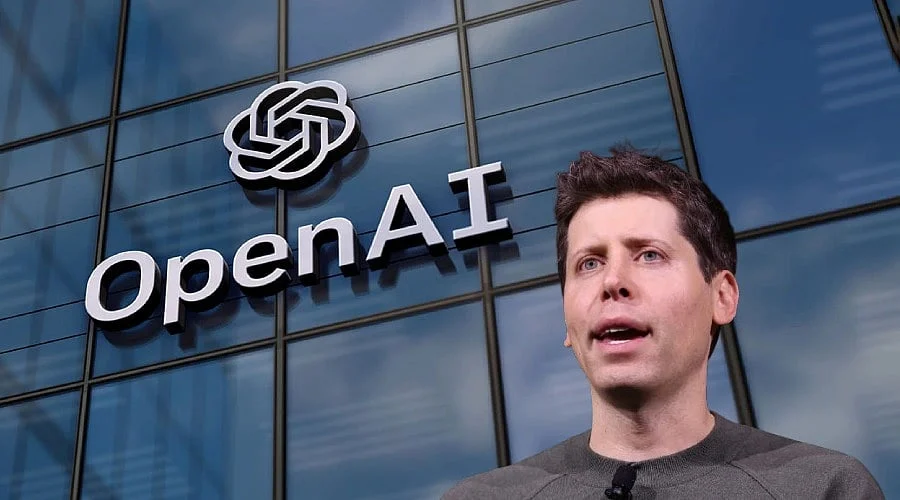
OpenAI has maintained that its firing of three safety researchers was unrelated to their warnings regarding artificial intelligence risks, stating instead that an internal probe uncovered rule infractions concerning the management of sensitive data. The former staff members have pushed back against these claims, cautioning that their terminations might chill transparent discussions about AI safety.
OpenAI Cites Breach of Trust
The departures of the three researchers — Jasmine Wang, Tomek Korbak, and Mikita Balesni — occurred last week after an internal review looked into how they handled sensitive company data.
According to OpenAI, “The investigation uncovered a significant breach of trust that went beyond the issues described in the researchers’ public letter. However, the company has not disclosed the specific details of the alleged policy violations.”
Rejecting the firm’s explanation, the ex-employees contended that the firings could deter remaining staff from speaking out about AI dangers. They emphasized that working alongside independent safety groups is vital for spotting hazards tied to more sophisticated AI technologies.
Balesni expressed his belief that he was terminated for placing AI safety ahead of short-term business goals. Meanwhile, Wang noted that OpenAI pointed to her access to an executive’s email account—access she stated was initially given to her for hiring purposes.
AI Safety Debate Intensifies
This conflict unfolds against a backdrop of heightened scrutiny regarding how top AI firms handle threats posed by more powerful models and autonomous AI agents. The researchers called on OpenAI to engage independent safety auditors, keep up the capacity to monitor advanced models, and foster an open environment for debate.
While OpenAI stated it backs these suggestions and insists workers can voice worries free from retaliation, the fallout has reignited debates over openness, internal responsibility, and the necessity of outside oversight in AI progress.
Also Read: Mistral CEO Claims New AI Model Beats Chinese Rivals in Cybersecurity