Who is Logan Kilpatrick?
Logan Kilpatrick serves as a technology leader at Google DeepMind, directing his efforts toward Google AI Studio and the Gemini API. Throughout his career, he has concentrated on simplifying artificial intelligence technology for developers. By combining product development with active community engagement, he bridges the gap between Google’s AI offerings and the creators building new applications.
The OpenAI Chapter
Prior to his transition to Google in 2024, Kilpatrick headed developer relations at OpenAI. His tenure there aligned with an explosion of interest surrounding ChatGPT alongside the organization’s developer platform. This position placed him squarely where AI technology, software engineering, and community insights converged, guiding developers as they made sense of and embedded emerging artificial intelligence features.

Moving to Google
Kilpatrick came to Google in April 2024 to take on responsibilities for AI Studio and the Gemini API. His efforts turned toward assisting developers in testing Google’s models and weaving them into software applications. Furthermore, this shift brought him deeper into Google’s widening AI network, which covers model engineering, creator utilities, and practical user experiences.
Making AI Development Easier
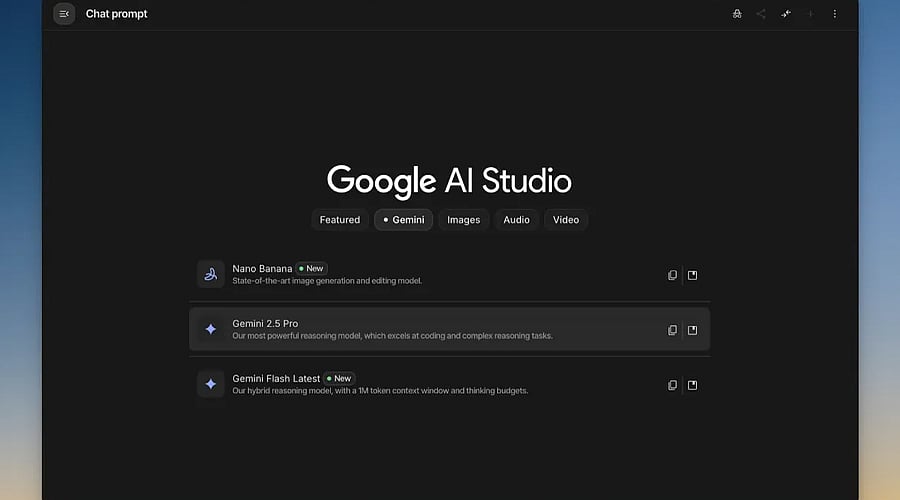
Google AI Studio supplies a dedicated environment where developers can evaluate prompts, investigate models, and draft software prototypes. Through the Gemini API, programmers can seamlessly embed artificial intelligence features directly into their own applications. These instruments strive to reduce the gap separating a concept from a functional prototype, all while enabling creators to polish their software.

The Rise of AI-Assisted Codingd
Assistance from artificial intelligence is fundamentally transforming software construction. Rather than authoring every single line by hand, individuals can simply detail a concept using natural language and prompt AI systems to produce the code. Although engineers must still verify outputs, run tests, and fix bugs, these solutions accelerate experimentation and broaden accessibility.

Listening to Developers
Feedback from the developer community remains vital for refining AI solutions. Kilpatrick’s public outreach helps bring forward the questions, obstacles, and feature requests voiced by users of Google’s utilities. This link is crucial because thriving developer ecosystems demand more than just powerful models—they also necessitate comprehensive documentation, dependable APIs, practical examples, and prompt product updates.

What Comes Next for AI Builders?
With AI capabilities steadily growing, the responsibilities of developers are shifting away from purely writing code toward supervising, assessing, and refining machine-generated results. Kilpatrick’s emphasis on developer utilities mirrors this exact transition. The overarching challenge lies in delivering robust artificial intelligence access while guaranteeing that applications stay practical, dependable, and fit for practical deployment.