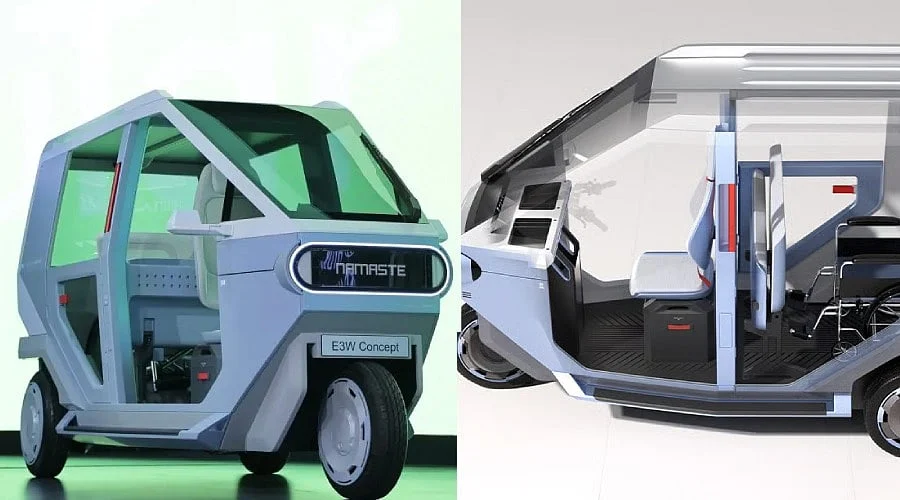
Overview:
-
The electric three-wheeler may arrive in late 2027 or early 2028.
-
TVS plans to build the vehicle at its Hosur facility, with reported output of 3,000-4,000 units per month across two versions.
-
The concept highlights improved safety, cabin comfort, accessibility, and adjustable ground clearance.
Hyundai Motor Company and TVS Motor Company have moved closer to introducing a new electric three-wheeler in India. Coded internally as U834, the vehicle is anticipated to hit the market in late 2027 or early 2028. An October 8, 2026 report from Autocar Professional also indicated a projected monthly output of 3,000 to 4,000 units split across two versions, with the project striving to bring a safer and more comfortable alternative to the Indian auto-rickshaw sector.
A Formal Partnership Sets the Project in Motion
The two automakers entered into a joint development agreement on April 20, 2026, establishing a clear framework for vehicle engineering and commercial distribution. Hyundai is heading the design process, while TVS is providing its electric vehicle architecture, domestic engineering expertise, manufacturing infrastructure, and sales channels. Furthermore, the collaborators intend to procure core components domestically and execute all mandatory testing and certifications.
This accord signifies a major transition from the initial design phase to actual production. Hyundai and TVS first showcased their electric three-wheeler prototype at the Bharat Mobility Global Expo in January 2025, an event that also featured a micro four-wheeler concept.
A Design Built for Indian Roads
The initial prototype targeted common pain points experienced by drivers and commuters on Indian streets. A standout feature was the adjustable ground clearance, designed to help navigate flooded roads during the monsoon season. Additionally, the blueprint emphasized enhanced interior comfort, driver visibility, and passenger protection.
The concept incorporated a foldable seat to assist wheelchair users, alongside provisions for improved cabin shielding and climate control to combat high temperatures. Hyundai and TVS suggested multiple applications for the transport, including passenger transit, last-mile deliveries, and emergency services. Nonetheless, the final production variant may diverge from the initial study, and neither corporation has verified which attributes will make it to the commercial release.
Also Read – How EV Trends Will Change the Auto Market in 2027
Hosur Plant May Support Local Production
TVS Motor’s factory located in Hosur, Tamil Nadu, is designated as the manufacturing hub for the upcoming vehicle. Autocar Professional cited a targeted output of 3,000 to 4,000 units monthly across the dual variants, though this figure represents a production goal rather than guaranteed sales volumes or immediate full-capacity output from day one.
Domestic manufacturing stands to assist the partners in managing expenses and establishing a dependable supply chain, while also facilitating better availability of replacement parts and maintenance services. TVS leverages extensive experience in the Indian two-wheeler and electric vehicle sectors, complemented by Hyundai’s automotive styling and engineering capabilities. This alliance merges their respective competencies without requiring Hyundai to build a three-wheeler manufacturing ecosystem from scratch.
Blue Move Pilot Tests a New Approach
A trial initiative known as Blue Move introduces another dimension to the venture. Industry updates indicate that this pilot launched in June 2026 near Hyundai Motor India’s corporate office in Gurugram, utilizing enclosed, climate-controlled electric three-wheelers for staff members and invited users.
The trial serves as a mechanism to evaluate interior ergonomics, layout configurations, and software systems in authentic driving environments. Autocar Professional additionally noted plans for preliminary prototype assembly at the Hosur plant by early 2027. However, comprehensive findings from the trial and its ongoing status remain unconfirmed, and the service does not constitute an official commercial rollout.
Price, Range, and Battery Details Remain Unknown
The enterprises have yet to release the definitive specifications for the vehicle. Details concerning battery capacity, motor output, driving range, and overall payload limits are currently undisclosed, alongside final showroom pricing, reservation schedules, and charging durations.
Each of these variables will significantly influence consumer and fleet adoption. Although a roomier cabin and air conditioning promise superior passenger comfort, they also heavily impact expenses and energy draw.
Market Potential Depends on Cost and Reliability
The Hyundai–TVS offering could present a novel alternative within India’s electric three-wheeler landscape. Fleet managers may appreciate the enclosed cabin design, whereas operators will likely prioritize reduced energy expenditures and simplified maintenance. Sourcing parts locally alongside a robust service network could similarly minimize vehicle downtime.
Even so, commercial viability will hinge on practical considerations beyond mere styling. Drivers require an equitable acquisition cost, dependable battery longevity, adequate daily travel distance, and sustainable net earnings.
Also Read – How to Charge and Store an E-Bike Battery Safely
Milestones Will Shape its Future
Upcoming milestones involve executing prototype trials, securing definitive technical parameters, readying manufacturing lines, clearing various regulatory compliance evaluations, and ultimately issuing a formal release announcement. While tentatively slated for late 2027 or early 2028, this timeline remains flexible.
The ultimate test will center on the pricing and operational range established by the producers. While an optimized design will undoubtedly enhance urban transit comfort, its commercial success will ultimately depend on whether buyers find the associated costs justified by the benefits offered.
FAQs
1. When will the Hyundai–TVS electric three-wheeler launch?
The latest reported target points to late 2027 or early 2028. The companies have not confirmed a final launch date.
2. Where will Hyundai and TVS manufacture the vehicle?
TVS Motor’s Hosur facility in Tamil Nadu is the planned production site.
3. What is the expected monthly production volume?
Industry reports cite a target of 3,000–4,000 units per month across two versions.
4. What features may the electric three-wheeler offer?
The original concept featured improved cabin comfort, enhanced safety, wheelchair accessibility, and adjustable ground clearance. Final production specifications remain unconfirmed.
5. What will the Hyundai–TVS electric three-wheeler cost?
The companies have not announced the price, battery capacity, certified driving range, or booking date.