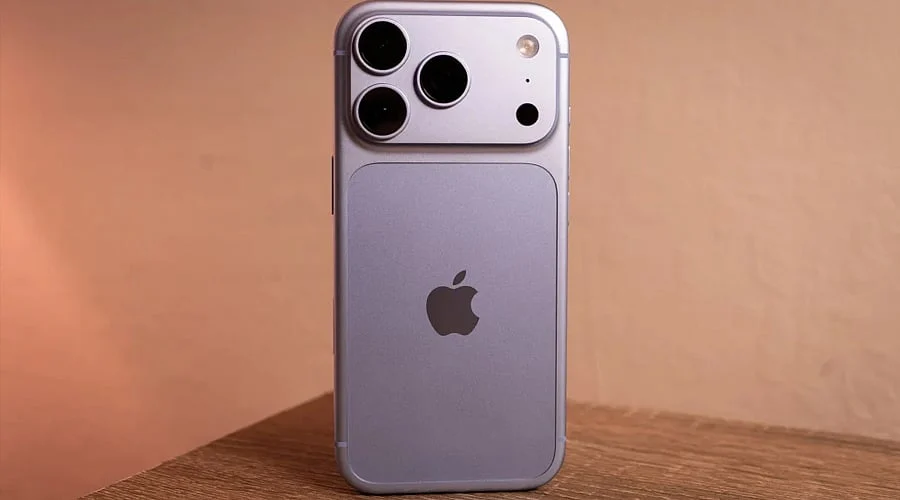
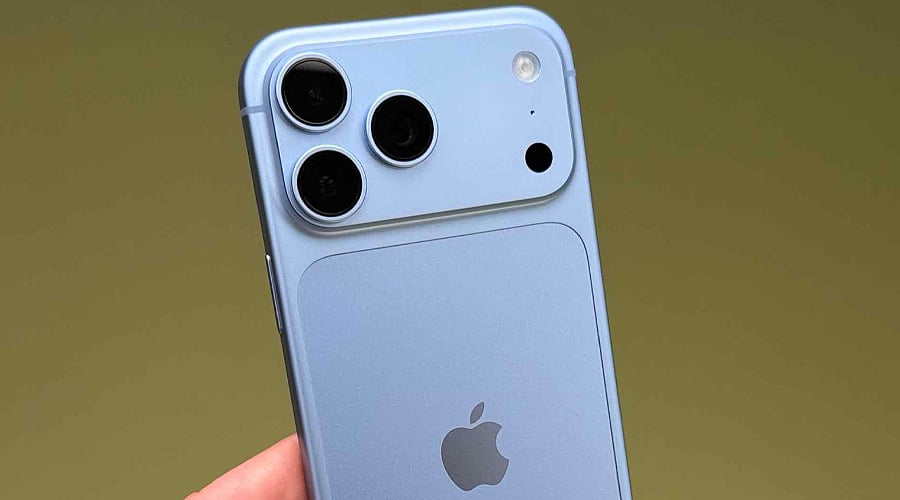
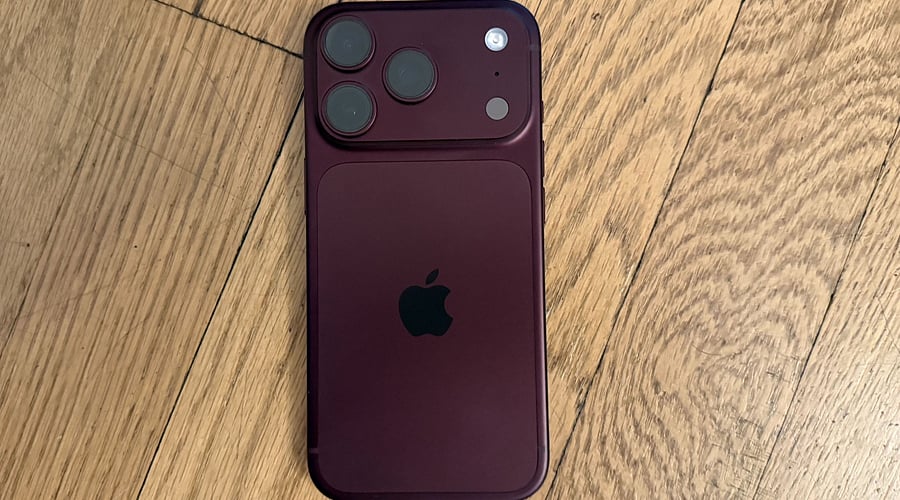
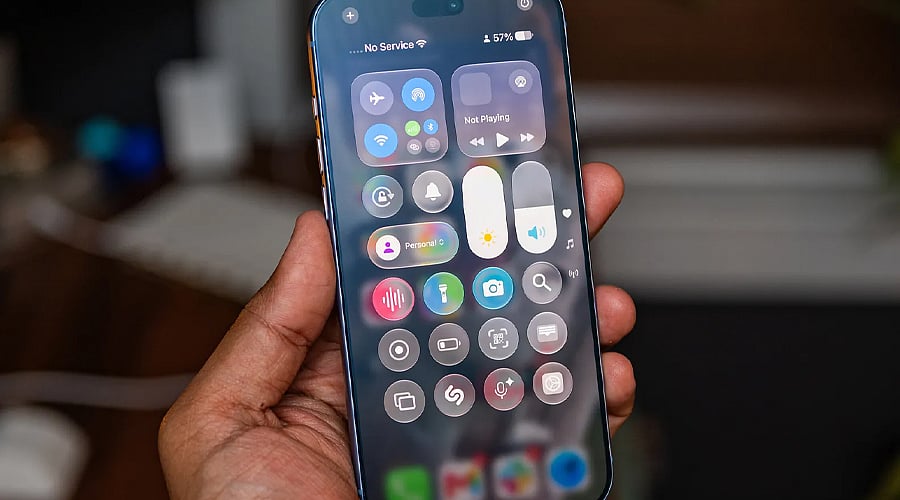
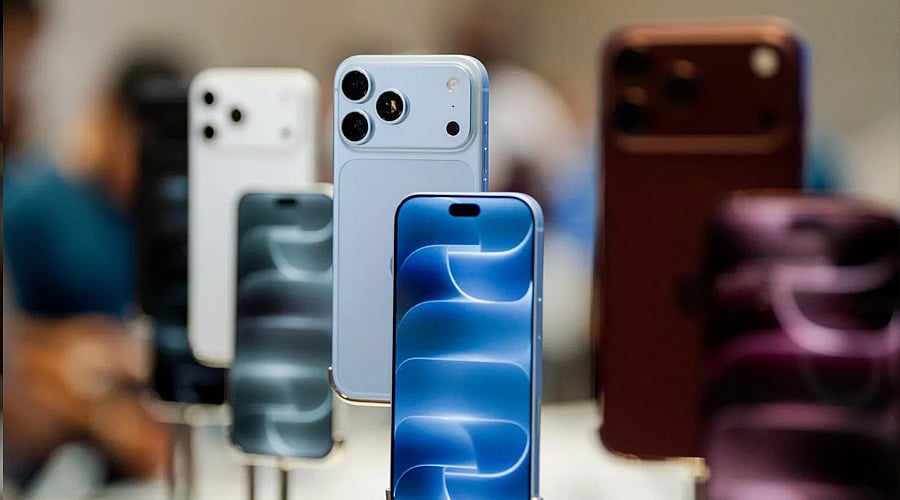
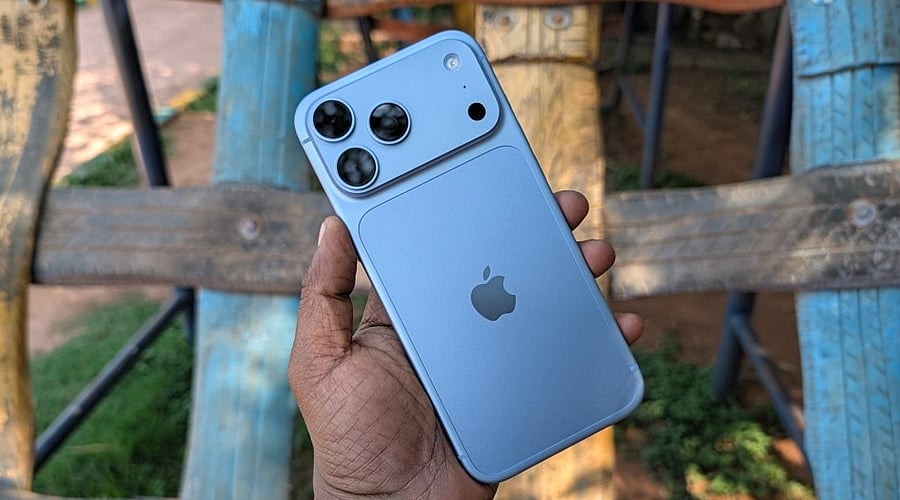
iPhone 18 Pro vs Laptops: Pocket-Sized Power!: Can a smartphone surpass a laptop? Initial benchmarks indicate that Apple’s A20 Pro chip in the iPhone 18 Pro can outpace certain older computers across specific tests. While this outcome is remarkable, overall speed relies on the specific workload, thermal management, and the particular laptop used for comparison.
The A20 Pro Chip: The A20 Pro is built using a 2-nanometre fabrication method and features a six-core CPU architecture. According to Apple, its updated performance cores provide up to a 20% increase in CPU speed compared to the prior generation, helping to account for the device’s robust early benchmark figures.
Impressive Single-Core Speed: Preliminary benchmark data implies that the A20 Pro matches or exceeds an M4 Mac in single-core operations. This capability is significant for tasks heavily reliant on a single processing core, though single-core metrics alone do not dictate the speed at which a system processes every program.
Multi-Core Performance Has Limits: Processors built for laptops and desktops often maintain an edge during heavily parallel workloads. Because the M4 features a higher total CPU core count than the A20 Pro, it holds an advantage for intensive jobs that utilize multiple cores at once. Outcomes change depending on the chosen benchmark and software.
Graphics Power in a Phone: Apple notes that the redesigned seven-core GPU inside the A20 Pro achieves up to 40% faster visual rendering than its predecessor, increasing the phone’s readiness for gaming and graphics-heavy mobile applications. Still, this does not imply that every laptop graphics processor will lag behind it.
Built for On-Device AI: Equipped with dedicated neural accelerators, the A20 Pro facilitates local artificial intelligence processing, allowing compatible operations to execute directly on the hardware instead of constantly depending on cloud infrastructure. Real-world AI speed varies based on the specific software, memory configuration, AI model, and task at hand.
Heat and Sustained Performance: Smartphones typically offer less interior space for cooling solutions than portable computers. When subjected to prolonged, heavy workloads, a mobile device may throttle its capabilities as internal temperatures increase. Consequently, short benchmark spikes cannot fully forecast performance during extended gaming, professional computing, or video editing tasks.
Join our WhatsApp Channel to get the latest news, exclusives and videos on WhatsApp