Overview:
-
Direct-to-cell technology links supported smartphones directly to satellites whenever traditional mobile coverage is absent.
-
Companies like Starlink, AST SpaceMobile, and Amazon are currently building satellite services for messaging, voice, and data capabilities.
-
Widespread adoption still faces major obstacles, including network capacity limits, device compatibility, signal obstructions, and regulatory approval.
Your mobile phone frequently loses signal in remote regions, such as while driving along isolated highways or hiking through mountainous terrain. Direct-to-cell technology is designed to solve this issue by enabling compatible smartphones to link straight to satellites instead of depending entirely on nearby cellular towers.
As telecom companies and satellite operators collaborate to push mobile coverage past traditional network boundaries, this technology is drawing increased interest. Although it can enhance connectivity in remote areas and during critical emergencies, it is not yet meant to fully replace standard cellular networks.
What is Direct-to-Cell Technology?
Also referred to as direct-to-device technology, direct-to-cell permits a mobile phone to communicate directly with an Earth-orbiting satellite. Conventional mobile networks rely on ground-based towers to transmit internet data, text messages, and phone calls. Users typically lose connection once they move past a tower’s coverage zone.
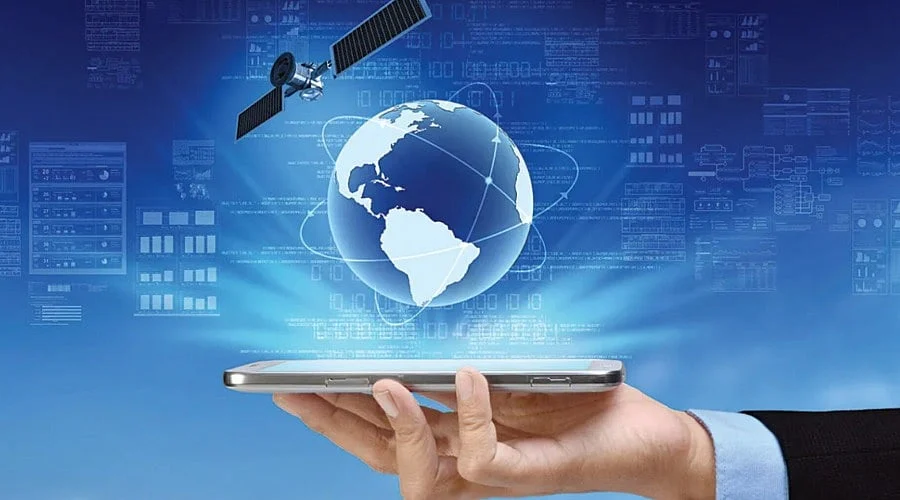
By utilizing direct-to-cell technology, a satellite functions similarly to a mobile base station stationed in space, passing signals back and forth between a smartphone and a telecommunication operator’s network.
While certain systems use current mobile spectrums alongside standard compatible smartphones, others depend on dedicated satellite frequencies that might necessitate specialized hardware. Overall availability is determined by your country, service provider, mobile operator, and specific device.
How do Satellites Connect Directly to Smartphones?
This process kicks off when a compatible smartphone emits a radio signal toward a satellite. When conventional mobile service is absent, an eligible satellite service can form a connection, provided that local conditions, your subscription, and your device all support it.
Low Earth orbit satellites utilize advanced radio technology and specialized antennas to pick up the relatively faint signals sent out by standard smartphones.
Depending on how the network is built, the satellite either relays the communication to a ground gateway or routes it through a linked network of satellites. The signal eventually reaches the telecom operator’s network and arrives at the intended destination.
Through this setup, satellite connectivity serves as a supplement to existing mobile services without needing a conventional tower close by.
What Can Direct-to-Cell Technology do?
Capabilities differ according to the service provider and the specific satellite system used. Initial applications generally focus on basic text messaging, while emergency communication tools can assist individuals in seeking help when terrestrial coverage is unavailable.
Mobile data and voice calls are also included in the industry’s future rollout plans. However, these features rely heavily on service availability, device compatibility, and total network capacity. Delivering high-speed internet remains much more difficult than simple text messaging because transmitting data demands significantly greater bandwidth.
Apple currently enables satellite messaging on iPhone 14 models and newer versions within select countries. Availability is contingent upon software, location, carrier backing, and the particular satellite feature. Apple’s specific satellite offerings should not be confused with the direct-to-cell services provided by mobile operators.
Also Read: Elon Musk Says Starlink Must be Affordable in India Amid Jio Feud
Companies Developing Direct-to-Cell Technology
A number of firms are actively working to broaden satellite connectivity options for everyday smartphones.
-
Starlink: SpaceX’s Direct-to-Cell system collaborates with mobile carriers to bring connectivity to supported phones operating outside standard terrestrial coverage zones. Initial development centers around satellite messaging, with plans to introduce broader services down the line.
-
AST SpaceMobile: This organization is engineering satellite-based cellular broadband intended to hook standard smartphones up through partnerships with mobile network operators. Their stated objectives encompass mobile data, video, and voice connectivity.
-
Amazon Leo: Amazon has put forward plans for a constellation consisting of up to 5,105 satellites to support emergency services, data, voice, and direct-to-device messaging, with deployment slated to launch in 2028 pending approvals.
What are the Limitations?
Direct-to-cell technology encounters several regulatory and technical hurdles. Because smartphones transmit signals at low power levels, it is challenging for satellites stationed hundreds of kilometers above the planet to detect them. Satellite operators must overcome this by implementing advanced signal processing, specialized antennas, and careful network coordination.
Another primary concern is capacity. Because a single satellite spans a vastly larger geographic area than a standard mobile tower, it may need to handle numerous users using restricted bandwidth. This can drag down data speeds, especially in high-demand regions.
Thick vegetation, buildings, and blocked lines of sight to the sky can likewise degrade connectivity. Furthermore, these satellite offerings demand regulatory clearance alongside close coordination with terrestrial mobile networks to stop signal interference.
Also Read: India’s First Orbital Computing Satellite Launches Today
What does this Mean for Smartphone Users?
Direct-to-cell technology functions best as an extra layer of connectivity rather than a complete substitute for broadband networks or mobile towers. It can prove especially valuable during natural disasters, in remote regions, and across travel corridors where constructing traditional cellular infrastructure is exceptionally difficult.
Your individual experience will hinge on your country, mobile operator, service plan, and handset. Users should verify which specific satellite functions are supported locally before depending on them for emergency situations or travel.
As satellite networks continue to grow, direct-to-cell technology has the potential to deliver mobile communication to areas previously untouched by conventional signals. Its long-term viability will rely heavily on regulatory support, device compatibility, network capacity, and affordability.
FAQs
1.What is direct-to-cell technology?
Direct-to-cell technology allows compatible smartphones to connect directly to satellites when conventional mobile networks are unavailable in their location.
2.Does direct-to-cell technology require a special smartphone?
Some services work with compatible standard smartphones, while others require specific hardware, software, subscriptions or supported mobile network configurations.
3.Which companies are developing direct-to-cell technology?
Starlink, AST SpaceMobile and Amazon Leo are developing satellite connectivity services designed to extend mobile communication beyond traditional network coverage.
4.Can direct-to-cell technology support calls and internet access?
Depending on the provider, direct-to-cell services may support messaging, voice calls, mobile data and emergency communications in supported regions.
5.What are the main limitations of direct-to-cell technology?
Limited satellite capacity, weak signals, obstructed skies, regulatory restrictions and device compatibility can affect direct-to-cell connectivity and performance.