
Understand Your Business: Prior to launching any Google Ads initiatives, outline your core business goals, pinpoint your target audience, define unique selling propositions, examine competitors, and conduct thorough market research.
Build Your Foundation: Establish your Google Ads profile, investigate pertinent keywords, pick appropriate match types, configure tracking mechanisms, set clear campaign objectives, and compile a list of negative keywords.
Plan and Structure: Maintain better oversight by organizing your campaigns through suitable campaign types, conversion targets, budget allocations, audience demographics, location parameters, language options, and device targeting.

Create and Optimise: Craft engaging ads, structure your ad groups effectively, incorporate extensions, fine-tune audience targeting, apply bidding models, enhance landing pages, and persistently elevate overall campaign results.

Measure and Improve: Monitor conversions, review data reports, run A/B testing, assess your return on ad spend, utilize attribution modeling, and constantly refine campaigns using performance metrics.
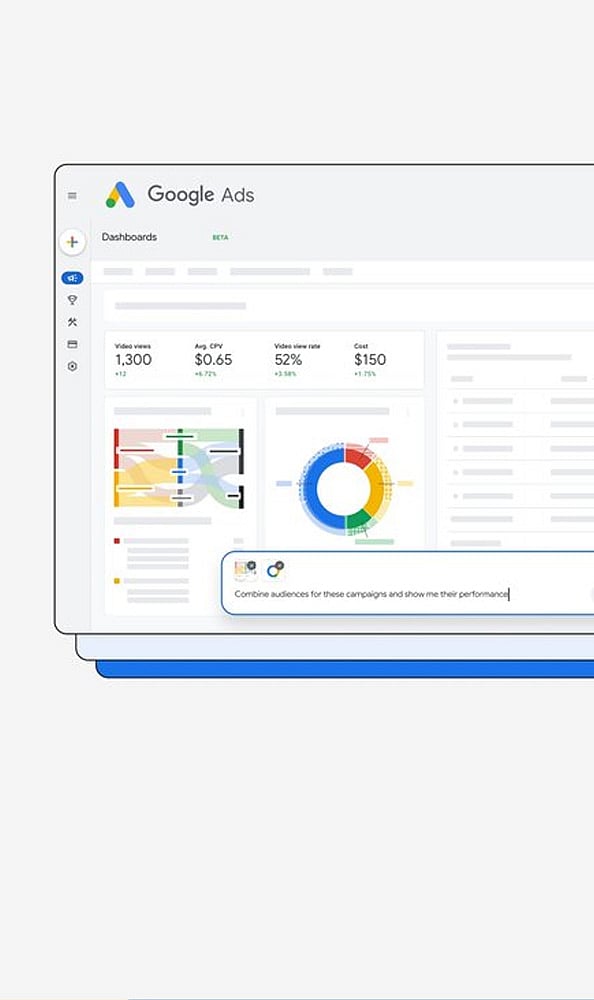
Business Goals: Formulate precise, quantifiable targets—such as boosting sales, driving leads, enhancing site traffic, or building brand awareness—via targeted promotional campaigns.

Keyword Research: Discover the search queries your prospective clients use, assess competition alongside search intent, and pick keywords that match your advertising aims.

Audience and Campaign Targeting: Connect with ideal customers by leveraging audience segments, geographic regions, languages, hardware devices, and demographic indicators to boost campaign relevance and marketing efficiency.

Performance Tracking and Optimisation: Routinely review conversions, click-through rates, advertising expenses, and returns to spot growth areas and execute intelligent, data-driven campaign choices.

Read More Stories!

Join our WhatsApp Channel to get the latest news, exclusives and videos on WhatsApp