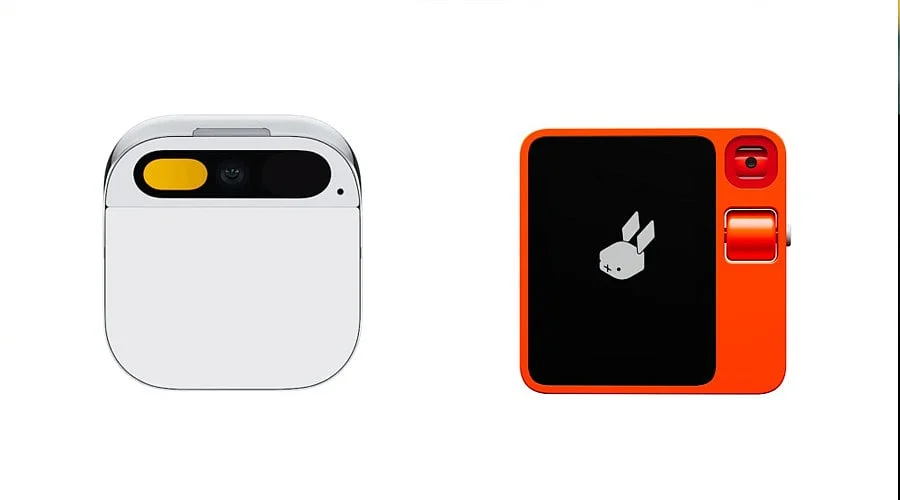
Tony Fadell, the former Apple executive recognized for inventing the iPod and contributing to the iPhone’s development, stated that the initial generation of dedicated artificial intelligence devices fell short because they failed to address specific consumer issues. During his appearance at MIT Future Fest, Fadell referenced products like the Limitless pendant, Humane AI Pin, and Rabbit R1, noting that they placed too much emphasis on compelling tech instead of proving why consumers actually required them.
These remarks arrive as tech firms keep investigating AI hardware as a potential replacement for connected devices and smartphones. Although the introductory items attracted substantial notice, they found it difficult to translate that attention into long-term consumer use, which prompts inquiries regarding the requirements for the upcoming wave of AI hardware.
AI Gadgets Need a Clear Purpose
Fadell explained that merely integrating an AI assistant into an independent device falls short. He contended that enterprises must first pinpoint the exact issue they intend to fix and design the merchandise around that exact demand.
He noted that this principle holds particular significance for new businesses, which face tighter margins for error than mature tech organizations. A tool may showcase remarkable functionality, yet buyers will likely abandon it if those capabilities fail to improve or simplify daily routines.
“You have to really understand what you’re trying to do, what pain you’re trying to solve,” he said. “In each of these cases, each one of them didn’t meet any kind of need; it was just interesting technology for geeks, and you’re like, ‘Okay, that’s neat, but it doesn’t really apply to my life.’”
Trust Could be the Biggest Hurdle
Additionally, Fadell pointed out that security and trust present significant obstacles for AI assistants. A truly beneficial digital aide would eventually demand entry to confidential details and might receive requests to execute operations like managing bank transactions or scheduling appointments.
Still, the public will likely hesitate to grant that degree of access right away. Fadell drew a parallel to developing confidence in a human helper, pointing out that considerable time passes before an individual feels secure delegating control over private data.
“It took me a couple of years first to understand how best to utilize [an assistant], and then to trust them with the most sensitive data, and have them be an agent where they’re setting up meetings with people and working with my bank,” he said. “I understand we have this vision of the future, but there’s a lot of steps to get the general consumer and even the general business on this path,” Fadell added.
Why On-Device AI Could Shape the Next Wave
Fadell is of the opinion that upcoming AI helpers might need to function mostly on the local hardware instead of routinely transmitting confidential records to cloud servers. Retaining additional information locally can enhance confidentiality while simultaneously cutting down reliance on external computing networks.
He regards Apple as uniquely situated due to its oversight of devices, silicon, and hardware, though he mentioned that the corporation continues to experience a shortfall in AI proficiency. Fadell’s core argument is that viable AI hardware must integrate dependable hardware, practical software, and robust confidentiality safeguards.
Also Read: Meta Muse Charm Explained: How AI Gadget Brings AI Beyond the Smartphone
The Next AI Device Must Earn Its Place
Fadell maintains that the shortcomings of early AI gadgets do not signal the end of the AI hardware concept. Rather, he feels the sector must transition past mere novelty and concentrate on items that individuals truly desire to utilize.
Consequently, the upcoming triumph in AI machinery might resemble a functional utility that quietly manages helpful functions rather than a technology exhibition. For new enterprises entering the sector, achieving the proper equilibrium among utility, capability, and trust will dictate whether their creations evolve into enduring consumer products or merely serve as another fleeting hardware trial.