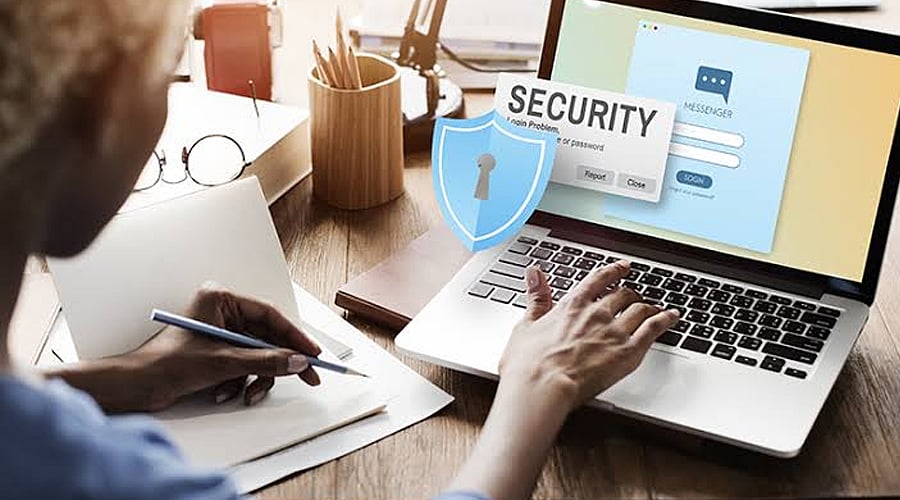
The Cyber Awareness Month 2026 initiative urges individuals to embrace safer digital habits. The campaign emphasizes password security, fraud prevention, and defense against escalating cyber threats. Individuals can minimize risks by implementing basic security measures, routinely reviewing account activity, and remaining vigilant against suspicious communications, links, and login prompts.
CERT-In’s Security Advice
The Indian Computer Emergency Response Team (CERT-In) champions enhanced digital safety practices. Its recommendations stress multi-factor authentication as a vital mechanism for securing online accounts. Individuals ought to adhere to official cybersecurity recommendations, maintain device software updates, and report suspicious behavior to the relevant authorities to lower the probability of account breaches.
Multi-Factor Authentication Explained
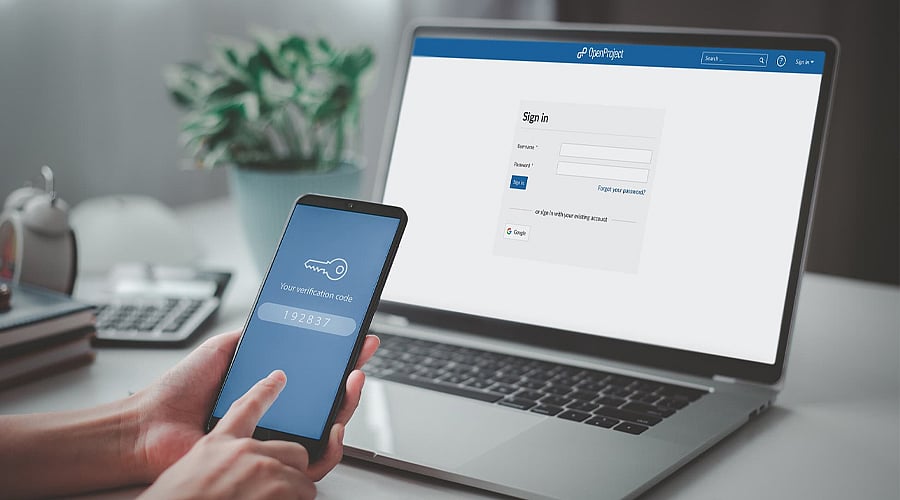
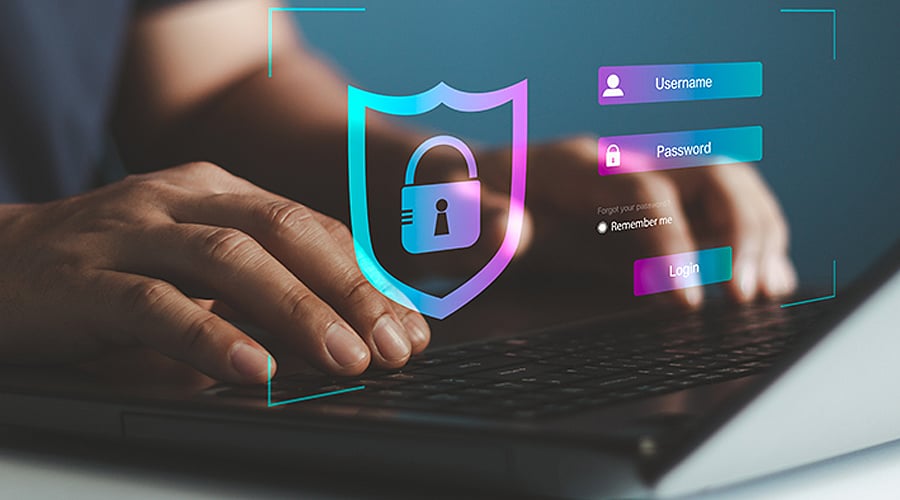
Multi-factor authentication (MFA) introduces an extra confirmation step during the account sign-in process. It typically combines a password with an authentication app code, hardware security key, or biometric verification. This supplementary layer complicates unauthorized entry, even if malicious actors acquire a user’s password via phishing scams or data leaks.
Stronger Protection Against Stolen Passwords
Relying solely on passwords may fall short against contemporary cyberattacks. Perpetrators frequently capture login credentials using deceptive websites, malicious software, and security leaks. MFA establishes an additional hurdle against account entry, mitigating the risk of exploitation. People should turn on this feature wherever it is offered, particularly for banking, email, and social media profiles.
Choose Secure Authentication Methods
Frequently, authentication applications and physical security keys deliver superior security compared to SMS-based verification methods. Individuals ought to pick options supported by their service providers while securing their account recovery pathways. Furthermore, they must strictly avoid disclosing one-time passwords, verification codes, or approval requests to unfamiliar callers or untrusted web pages.
Secure Email and Social Media Accounts
Email accounts warrant specific focus because they frequently govern password recovery for other platforms. Individuals need to activate MFA across their primary email, financial accounts, cloud storage, and social media profiles. Additionally, they should check active login sessions, delete unfamiliar devices, refresh recovery information, and log out of hardware they no longer utilize.
Build Safer Digital Habits
Achieving solid cybersecurity entails more than just activating MFA. Users should apply software patches, utilize distinct passwords, steer clear of dubious links, and verify website URLs prior to submitting personal information. Password managers can assist in generating and safeguarding complex passwords. Consistent account audits and a strong awareness of phishing strategies can additionally decrease vulnerability to internet-based dangers.
Join our WhatsApp Channel to get the latest news, exclusives and videos on WhatsApp