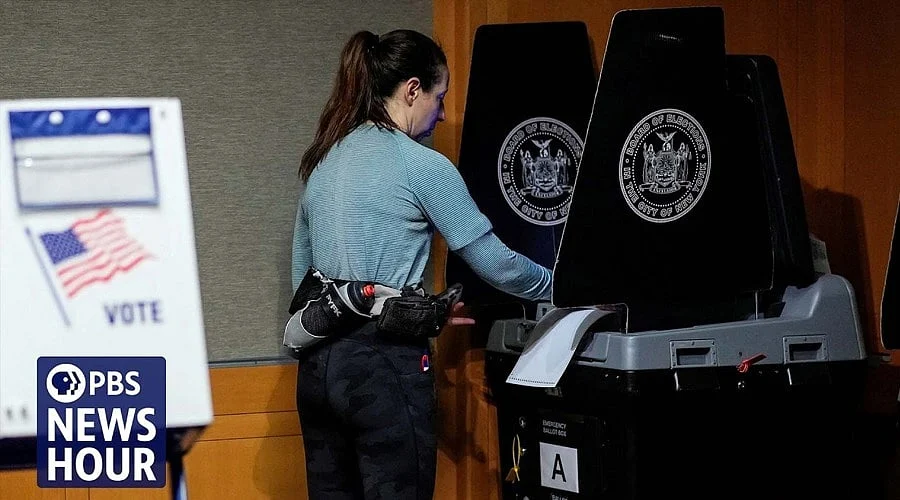
As the U.S. midterm elections draw near, federal agencies are cautioning political organizations and election officials to remain vigilant against digital threats, including sophisticated scam messages powered by artificial intelligence. On Friday, October 16, 2026, the FBI and the Cybersecurity and Infrastructure Security Agency (CISA) released an advisory warning that malicious actors might leverage AI to craft fraudulent text messages and emails that are much more difficult to spot.
These communications may aim to capture passwords, harvest confidential data, or compromise accounts belonging to campaign teams and election workers. This alert arrives ahead of November’s midterm elections, a period when election offices and political groups typically experience a surge in cyber activity and heightened scrutiny.
AI Could Make Phishing Messages More Convincing
Advancements in artificial intelligence are enabling bad actors to generate polished, highly credible text and email campaigns effortlessly. While fraudulent emails can successfully mimic the tone and structure of official notifications, text messages can be disguised to look as though they originated from trusted service providers or colleagues.
The federal advisory notes that hackers may deploy these technologies to refine phishing schemes targeting political campaigns, candidates, and election administrators. A persuasive message can easily trick a recipient into clicking a dangerous link, handing over login credentials, or leaking sensitive information. Authorities are especially concerned about the speed at which attackers can now generate customized messages tailored to specific targets.
Also Read: Why Did NVIDIA, Apple, Microsoft, and Meta Give Trump USD 92 Million?
Election Offices and Campaigns Face Risks
Because election officials oversee sensitive data and rely heavily on digital infrastructure to run operations, and political campaigns manage voter files, internal communications, and login credentials, both groups remain prime targets for cyber criminals.
If an email account is breached, it can expose private communications or allow a threat actor to launch secondary phishing attacks from a verified, trusted sender. Breaches like these have the potential to disrupt workflows and sow confusion during a critical timeframe.
To counter these risks, the advisory stresses that campaign personnel and election offices should exercise extreme caution regarding unexpected demands for passwords or confidential details, regardless of how authentic the sender appears.
While this advisory does not indicate that the underlying voting infrastructure has been breached, it underscores worries that AI will amplify the success rate of standard cyberattacks while political groups are at their most vulnerable.