Overview:
-
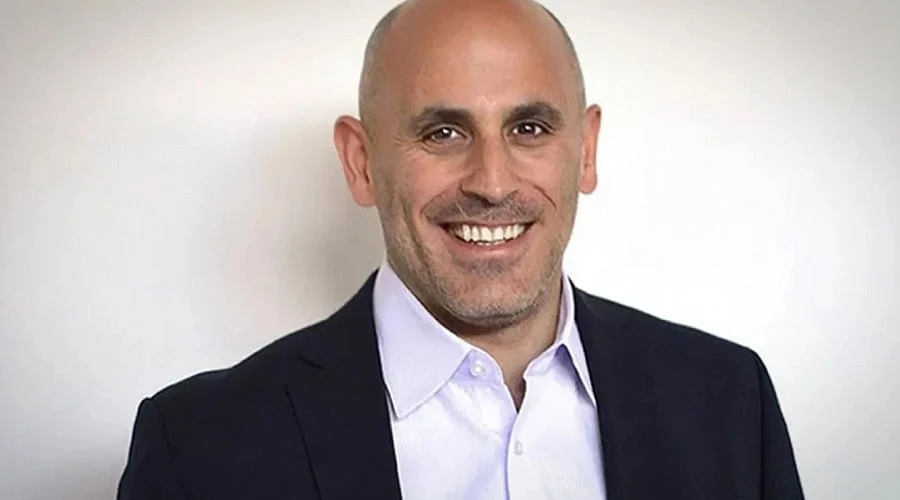
Founded by Marc Lore, Wonder integrates restaurant concepts, automated kitchens, AI-driven order coordination, and emerging delivery technologies into a single food business.
-
Its automated Infinite Makeline system can construct up to 500 bowls per hour during demonstrations, while collaborations with Serve Robotics and Zipline scale up its autonomous delivery capabilities.
-
The enterprise strives to boost efficiency, consistency, and affordability, though long-term success relies heavily on management of operating costs, customer acceptance, and flawless execution.
Securing dinner from multiple dining establishments typically involves navigating various menus, placing separate orders, and managing disparate delivery arrival times. Marc Lore aims to overhaul that routine. Through Wonder, Lore is constructing a food tech enterprise that unites restaurant brands, mechanized kitchens, artificial intelligence, and logistics under one banner.
The vision extends past rapid home delivery. Lore seeks to reshape how dishes are cooked, tailored, and dispatched, leveraging technology to supply restaurant-grade meals to a broader audience at more reasonable prices. Certain elements of this initiative are currently active, whereas others remain in development.
From E-Commerce to a New Kind of Food Business
Lore possesses extensive experience launching convenience-focused ventures. He established the e-commerce platform Jet.com—purchased by Walmart in 2016—before shifting his focus toward the culinary sector. He established Wonder in 2018 to solve a different problem: simplifying access to a diverse array of freshly prepared dishes.
Wonder integrates several dining concepts into a unified venue. Patrons can pick items from distinct menus and, where available, merge them into a singular checkout. This proves especially convenient for families or groups who struggle to agree on a cuisine.
The organization has broadened its physical footprint alongside food-related acquisitions, including Grubhub and Blue Apron. In July 2026, Wonder secured a USD 650 million Series D funding round at a USD 9 billion pre-money valuation to fuel its expansion and investments in AI, robotics, and physical infrastructure.
Also Read: How Deepinder Goyal, the Founder of Zomato, is Expanding Food Technology Beyond Online Delivery
Robotic Kitchens Aim to Make Food Preparation More Consistent
Among Wonder’s most ambitious innovations is the Infinite Makeline, an automated meal-assembly apparatus built using technology acquired from Sweetgreen. The unit constructs bowl-based meals utilizing a wide selection of ingredients, assisting kitchens in maintaining consistency during peak rushes.
At its New York demonstration venue, Wonder demonstrated the device assembling as many as 500 bowls hourly using 68 ingredients. While impressive, actual throughput varies based on the menu, customer demand, and overall kitchen operations.
The company also builds other automated equipment, such as machinery for sauce creation and ingredient transit throughout the facility. These systems seek to minimize repetitive labor and facilitate the preparation of diverse cuisines within the same workspace.
Robotics will not replace human cooking duties entirely. Personnel continue to manage initial food prep, quality assurance, and specific assembly stages. The immediate objective is automating routine duties while assisting workers in overseeing a much larger culinary selection.
AI Helps Coordinate Orders and Personalize Meals
Cooking items from multiple restaurant brands introduces a complex logistical puzzle. Different dishes demand varied cooking times, yet buyers expect their entire spread to be delivered simultaneously.
Wonder deploys specialized software to synchronize kitchen tasks, guiding staff on which components require attention and when. Its AI-driven kitchen display system monitors incoming purchases and sequences workflow so that every part of the meal finishes together.
Furthermore, Lore is advancing a personalized AI application named MEL. This initiative utilizes parameters like personal tastes, wellness targets, and body-composition metrics to suggest tailored dishes. A beta rollout was anticipated in 2027, keeping the overarching project a work in progress.
Should this strategy succeed, buyers could receive meal suggestions balancing personal flavor preferences with specific dietary targets. Safeguarding user privacy and handling health-related metrics responsibly will remain critical as these platforms evolve.
Also Read: Flipkart to Enter Food Delivery Race
Delivery Robots and Drones Could Change the Last Mile
Preparing food is only part of the equation. Urban congestion, travel distance, and logistical expenses heavily influence delivery speed. Wonder has teamed up with Serve Robotics to roll out autonomous sidewalk delivery via the Grubhub marketplace across select regions, including Chicago, Los Angeles, and Alexandria. Eligible transactions are paired with a delivery robot depending on local availability.
Additionally, the firm is collaborating with Zipline to test drone-delivered meals in Texas, with operations slated to launch in January 2027. The long-range strategy involves scaling this feature to additional Texas markets.
These innovations hold the potential to ease roadway congestion and broaden delivery boundaries. Nevertheless, weather conditions, local regulations, overhead expenses, and safe handoffs will dictate the widespread viability of autonomous transit.
You May Also Like
Intermarché Cyberattack Sparks Food Safety Concerns Across French Supermarkets
How AI and Robotics are Transforming Food & Beverage Manufacturing
Best Apps to Save Food Wastage: Top Picks
Can Automation Make Food Delivery More Affordable?
Wonder’s financial model relies on more than just sophisticated machinery. By housing multiple dining brands under one roof and automating targeted duties, the company aims to optimize physical space and labor utilization. Streamlining coordination can likewise cut down on delays and errors.
Even so, advanced kitchen automation demands substantial capital, upkeep, and technical expertise. Cost savings will hinge on whether individual branches pull in enough volume to offset those expenditures. Ultimately, consumers will evaluate the model based on food quality, pricing, and dependability rather than the quantity of robots operating behind the scenes.
For Lore, artificial intelligence and robotics serve as mechanisms to reinvent the dining experience from selection to doorstep delivery. Wonder has already operationalized key facets of this vision. Whether it fulfills its broader ambitions depends on execution, economic viability, and consumer willingness to embrace a heavily automated dining ecosystem.
FAQs
Who is Marc Lore?
Marc Lore is an entrepreneur recognized for establishing Jet.com, which was purchased by Walmart in 2016. He later founded Wonder, a culinary technology enterprise centered on upgrading meal creation, ordering, and delivery.
What is Wonder?
Wonder functions as a food tech platform uniting multiple dining concepts with automated kitchen hardware, logistics services, and at-home meal solutions. Where available, consumers can bundle selections from different Wonder restaurant brands into a single transaction.
How is Wonder using artificial intelligence?
Wonder employs AI-powered software to help organize kitchen operations and sequence food preparation. It is also engineering MEL, a system designed to recommend meals based on individual preferences and health objectives.
What is the Infinite Makeline?
The Infinite Makeline is Wonder’s robotic meal-assembly apparatus, adapted from technology purchased from Sweetgreen. It is built to assemble bowl meals using a wide variety of ingredients to help kitchens handle orders more productively.
How many bowls can Wonder’s robotic system prepare per hour?
During a New York demonstration, the Infinite Makeline exhibited a capacity of up to 500 bowls per hour utilizing 68 ingredients. Real-world output fluctuates based on menu specifications, demand, and kitchen workflows.