Comparing High-End and Budget Smart TVs: What Sets Them Apart
Discover the key differences between high-end and budget smart televisions, including variations in picture quality, sound performance, build quality, software experience, and gaming features.
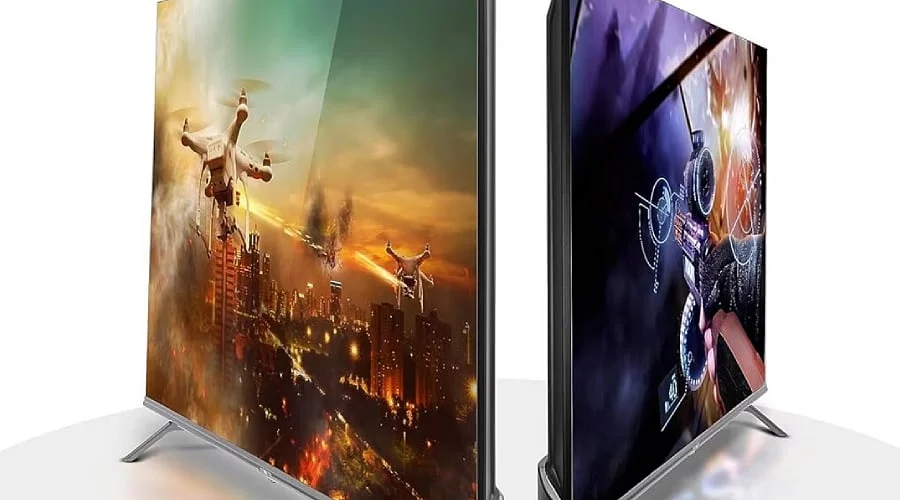
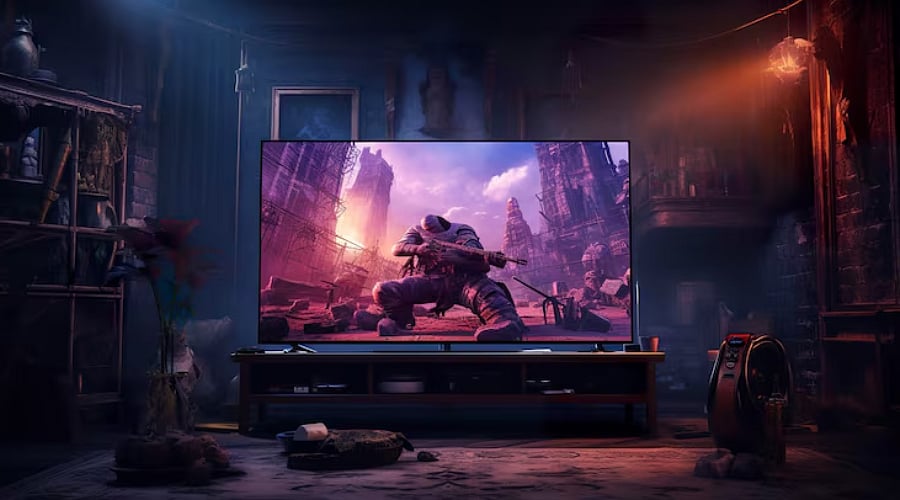
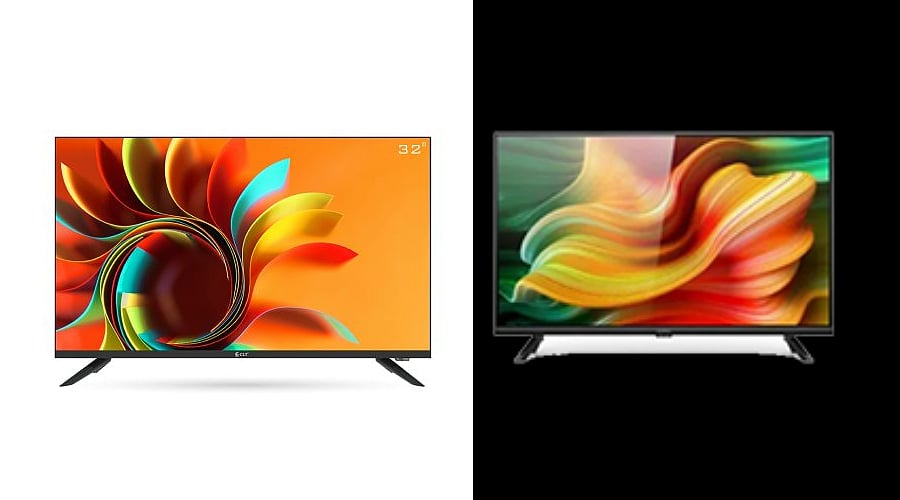
High-end smart television brands frequently feature superior panels, deeper contrast, increased screen brightness, and enhanced color fidelity. While affordable models can still provide respectable viewing quality, they often rely on more basic display technology. This distinction is particularly noticeable when viewing films, athletic events, and premium media.
Premium TVs Offer Better Sound
Audio performance represents another category where luxury televisions regularly hold the upper hand. They frequently feature more powerful drivers, deeper low-end response, and compatibility with sophisticated sound profiles. In contrast, economical televisions generally come equipped with standard speakers that suffice for casual daily viewing, though they may require an external soundbar to achieve richer acoustics.
Budget TVs Focus on Essential Features
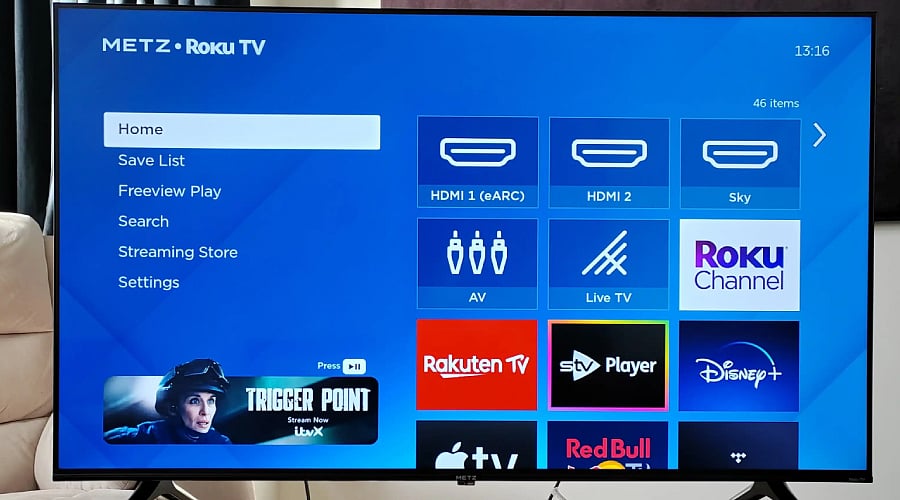
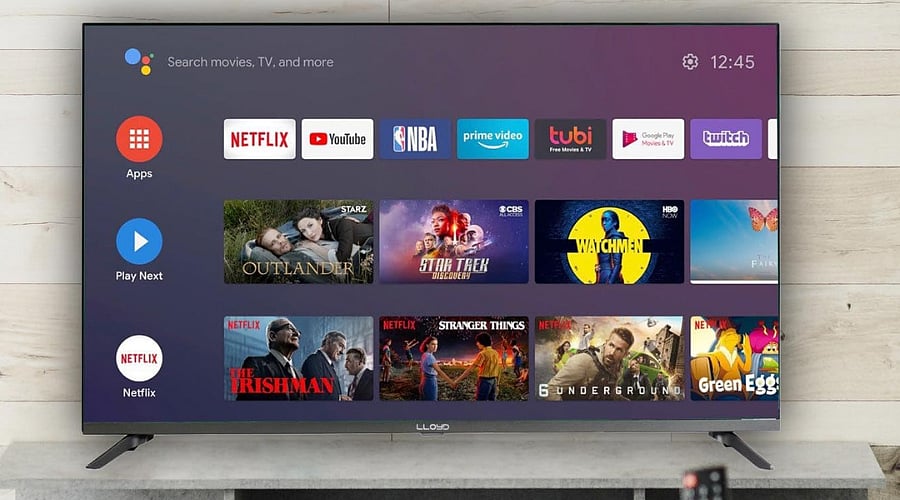
Affordable smart television manufacturers typically concentrate on delivering core functionalities at an accessible price point. Standard inclusions typically encompass streaming applications, wireless internet connectivity, HDMI inputs, and voice command capabilities. Conversely, luxury editions incorporate supplementary enhancements like superior processors, dedicated gaming tools, sophisticated display configurations, and advanced networking capabilities.
Software Experience Can Vary
High-end manufacturers generally deliver more fluid operating systems and quicker menu navigation due to the inclusion of more robust chipsets and expanded memory. Conversely, economical units can occasionally exhibit sluggishness during application launch or menu transitions. Because firmware updates and application compatibility differ across models, purchasers are advised to verify long-term support timelines prior to buying.
Build Quality is Another Difference
Luxury smart televisions generally employ higher-grade materials, showcasing thinner profiles, sturdier bases, and more refined external aesthetics. Cost-effective alternatives may utilize basic plastic chassis structures to minimize production expenses. Although structural construction might not directly influence everyday picture performance, it becomes significant for consumers seeking an appliance that enhances their room’s decor.
Gaming Features Cost More
Video game enthusiasts will likely discover a greater array of advanced capabilities on high-end smart televisions, such as elevated refresh rates, reduced input latency, HDMI 2.1 connectivity, and variable refresh rate systems. Cost-conscious models are fully capable of supporting casual play, but they might lack specific technical specifications required to maximize performance from contemporary personal computers and next-generation consoles.
Premium or Budget Depends on Your Needs
Deciding between high-end and affordable smart television labels relies entirely on your intended usage patterns. Economical choices cater well to individuals who primarily watch standard broadcasts and streaming shows. Meanwhile, luxury displays suit consumers who prioritize top-tier visual performance, interactive gaming, acoustic depth, physical design, and long-lasting capabilities.
Join our WhatsApp Channel to get the latest news, exclusives and videos on WhatsApp