Key Takeaways –
-
Exercise headphones: Secure fits and water resistance make them better suited for intense, sweaty workouts.
-
Outdoor workouts: Open-ear designs can improve awareness of traffic, people, and surrounding sounds.
-
Mixed use: IP-rated wireless earbuds offer a strong balance between workout performance and everyday convenience.
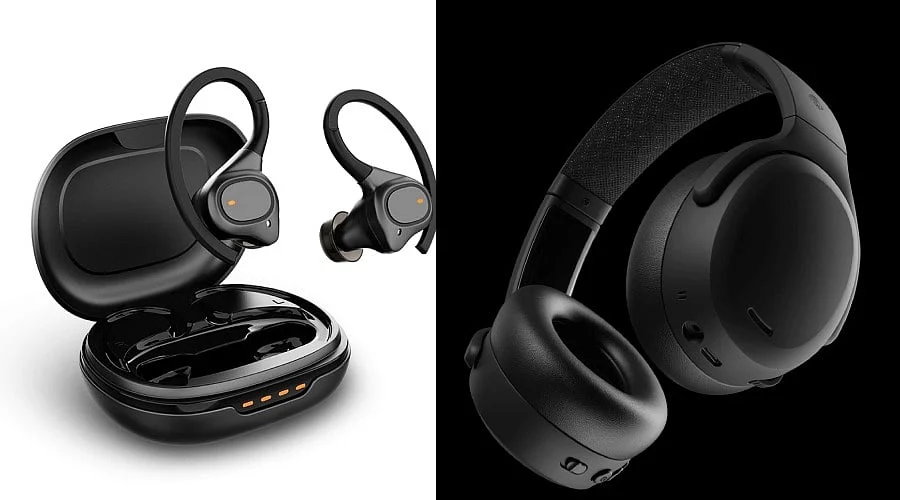
A pair of headphones that sounds wonderful at home might easily fail during an intense workout. Vigorous movement, sweat, a loose fit, and background noise can reveal limitations that remain hidden during casual listening. Fitness-focused headphones solve these challenges by offering water resistance, secure fits, enhanced situational awareness, and controls tailored for active users. In contrast, standard headphones prioritize audio fidelity, long-term comfort, noise management, and extended listening sessions.
However, the divide between the two styles has narrowed significantly. Today, many wireless earbuds successfully bridge daily tasks and workouts, while newer athletic models incorporate features once exclusive to premium everyday audio devices. Additionally, open-ear designs have grown increasingly popular for outdoor training because they allow ambient noise to reach the user’s ears.
Fit, Sweat Protection, and Daily Comfort
Fit remains one of the primary distinctions between the two categories. Workout headphones must stay anchored during rapid movements, jumping, weightlifting, and shifts in posture. Consequently, many active models utilize clips, ear hooks, ear wings, or locking geometries. Conversely, a standard audio pair might feel cozy at a desk yet slip out easily during a run or gym circuit.
Moisture resistance is equally critical for physical activity. Because perspiration can degrade electronics over time, an official IP rating provides a reliable benchmark for durability. For physical training, IPX4 serves as a functional baseline for many consumers, with higher ratings delivering increased moisture protection. Even so, water resistance can degrade over prolonged periods of use.
Open-ear headphones have established a significant foothold in the fitness sector. Products such as the Shokz OpenFit Air 2 suspend speakers near the ear rather than blocking the ear canal, ensuring that traffic sounds, pedestrian voices, and environmental noises stay clearly audible. This auditory awareness is particularly vital on busy streets, trails, and public pathways.
Standard headphones can still perform adequately during light physical activity. A conventional pair may provide superior comfort for long hours at a workspace or during transit, whereas a dedicated athletic model ensures stability during rigorous training. The ideal selection ultimately depends on where the hardware will spend the majority of its time.
Also Read – Airpods vs Galaxy Pods vs Nothing Ear: Which Wins in 2026
Sound, Noise Control, and New Workout Designs
Audio performance no longer creates a sharp division between fitness headphones and standard gear. Many athletic models now deliver rich bass and crisp vocals, while top-tier everyday headphones offer deeply balanced sound profiles. Active noise cancellation continues to be a staple of standard headphones, proving invaluable in offices, on public transit, and during flights.
Inside a gym environment, active noise cancellation can successfully drown out loud overhead music, clanking weights, and other distractions. Conversely, outdoor exercise demands a different approach. Total noise isolation can mask approaching vehicles and pedestrians, making open-ear configurations a safer compromise.
Manufacturers are also introducing innovative form factors. The Beats 360, for instance, offers an over-ear solution built for physical activity, featuring an IPX4 rating alongside moisture-wicking performance-knit ear cushions. This layout provides an alternative to traditional in-ear bud styles.
On the other hand, devices like the Soundcore Space 2 Pro illustrate the limitations of standard designs; engineered strictly for daily wear, their lack of an IP rating makes them ill-equipped for heavy-sweat sessions. Exceptional audio tuning cannot compensate for a lack of foundational moisture protection when workouts are the primary objective.
Recent product testing underscores the advantages of open-ear units for outdoor fitness, with cycling evaluations frequently favoring this configuration to maintain road awareness. For indoor gym routines, however, tightly sealed earbuds often provide superior noise isolation and a more compact footprint.
Also Read – Apple AirPods 5 Launched with Open-Ear ANC: Check Price, Features
Which Headphones Make the Most Sense?
Outdoor runners will find distinct advantages in open-ear or secure-fit earbuds, as they allow users to listen to music while keeping bicycles, traffic, and pedestrians audible. For indoor training environments, earbuds equipped with noise cancellation and at least an IPX4 rating are typically more practical in loud gym facilities.
Cyclists likewise benefit from open-ear hardware when environmental awareness is paramount. Weightlifters may lean toward compact earbuds, as bulky earcups can easily shift out of place during floor exercises or bench presses. Swimmers should note that standard Bluetooth headphones are completely unsuitable for aquatic use, requiring dedicated waterproof swimming headphones instead.
Battery endurance also helps differentiate the categories. Current 2026 testing considers anything over five hours to be a solid benchmark for wireless athletic earbuds, whereas over-ear models designed for daily use ideally should exceed 30 hours per charge.
For anyone juggling daily routines and gym sessions, an IP-rated wireless earbud offers the most versatile middle ground. Such a device easily handles sweat-heavy workouts while remaining fully functional for phone calls, commuting, and casual music playback.
Ultimately, the core distinction remains straightforward: regular headphones prioritize comfort, acoustic fidelity, and noise isolation, whereas exercise-focused alternatives emphasize durability, sweat defense, secure ergonomics, and situational awareness. While a premium everyday pair can sometimes suffice for workouts, purpose-built fitness gear prevents typical hardware failures before they occur. The right choice relies entirely on your specific activities, environment, and required level of protection.
FAQs
1. Are exercise headphones better than regular headphones for workouts?
Yes, especially for intense exercise, since they usually provide a more secure fit and better sweat or water resistance.
2. What IP rating should workout headphones have?
IPX4 is a practical starting point for many workouts, while higher ratings provide greater protection against water.
3. Are open-ear headphones good for running and cycling?
Yes. They allow outside sounds such as traffic and nearby people to remain audible, which can be useful outdoors.
4. Can regular headphones be used for exercise?
Yes, if the activity is light and the headphones stay comfortable and secure. However, models without water resistance are less suitable for heavy sweating.
5. What headphones are best for mixed gym and daily use?
An IP-rated wireless earbud is often the best middle ground, combining workout protection with portability, calls, music, and everyday use.