Overview:
-
Zcash launched its NU7 upgrade on the public testnet with a goal of achieving 25-second block intervals.
-
Cardano surged 11% as futures open interest climbed by roughly 15%.
-
Metaplanet intends to keep 85% to 90% of its assets in Bitcoin and generally cap Bitcoin-backed borrowing at around 10% of the net asset value of its BTC reserves.
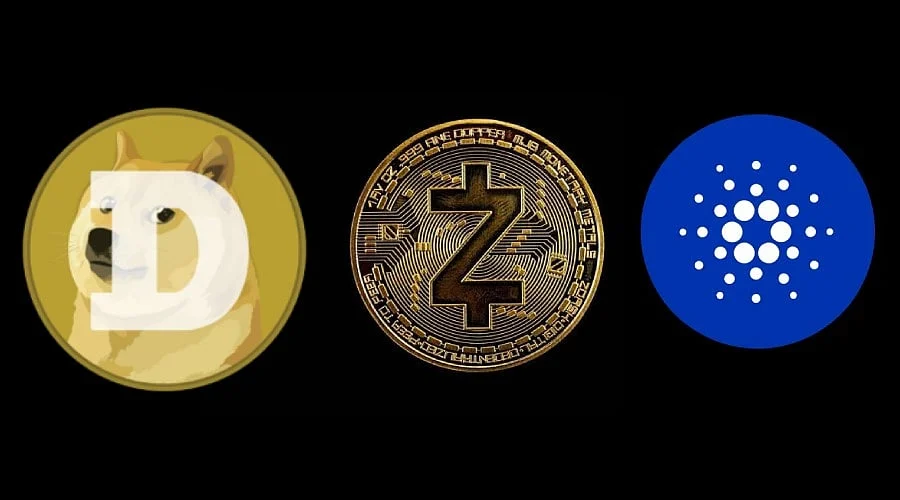
The cryptocurrency market experienced significant activity as Zcash rolled out its NU7 testnet upgrade and Dogecoin formed its first daily golden cross in 14 months. Meanwhile, Cardano climbed 11% alongside a 15% increase in futures open interest, and Metaplanet placed limits on its Bitcoin borrowing.
Zcash NU7 Update
The privacy-focused network activated its NU7 upgrade on the public testnet at block 4,465,026, altering the target interval from 75 seconds down to 25 seconds.
If platforms maintain a three-confirmation requirement, the wait time drops from 225 seconds to approximately 75 seconds, though this is strictly a testnet trial rather than a mainnet alteration. The trial utilizes valueless tokens to give infrastructure operators and developers a chance to practice the upgrade.
Additionally, NU7 reallocates 60% of transaction fees toward a future-reward reserve, reduces per-block rewards to maintain the ZEC issuance framework, and deactivates Sprout transactions.
Dogecoin Makes Golden Cross
Dogecoin registered a golden cross on its daily timeframe chart for the first time in 14 months. This daily chart formation occurred when the 50 EMA moved above the 200 EMA. While Dogecoin has previously printed golden crosses on shorter hourly timeframes, its most recent daily golden cross prior to this took place in August 2025.
Shortly after that previous golden cross formed, Dogecoin reached a high of USD 0.3 on September 13, 2025. That bullish momentum proved temporary, however, and Dogecoin experienced downward selling pressure over the subsequent months.
Alongside the new golden cross, Dogecoin gained 3.88% over a 24-hour period to reach USD 0.0962. Bulls face their next hurdle at USD 0.106, though the token must first decisively clear the USD 0.095 and USD 0.098 thresholds. A clean break beyond USD 0.106 could set up subsequent targets at USD 0.12 and USD 0.16.
Also Read: How Bitcoin Payment APIs Work, Where Businesses Can Use Them
PEPE Rallied 5%
PEPE changed hands around USD 0.00000453 on October 5, following an intraday peak close to USD 0.00000457. This pushed PEPE back above the USD 0.00000445 resistance marker following several days of recovery from its October 2 selloff.
Technical analyst Aditya Khatri pointed out an emerging Wolfe Wave pattern on the four-hour chart for PEPE. Developed inside a descending channel, this pattern targets roughly USD 0.000005 if buyers are able to uphold the breakout.
This upward movement follows a much larger PEPE surge in September, during which the token advanced about 42% over the span of a week and briefly touched USD 0.00000515.
Khatri’s analysis established USD 0.00000445 as the initial breakout mark, followed by USD 0.00000461 and USD 0.00000477, with the Wolfe Wave projection stretching toward USD 0.000005.
Cardano Jumps 11%
Cardano (ADA) traded close to USD 0.273 on October 5 after touching an intraday high of approximately USD 0.2734, accompanied by a 24-hour trading volume nearing USD 1 billion.
This performance outpaced the wider digital asset market, lifting ADA past the USD 0.26 zone that had repeatedly stalled previous recovery attempts.
The price spike comes on the heels of several weeks of ecosystem updates. The Cardano Foundation recently verified two separate initiatives with Petrobras to utilize Cardano for verifying sustainability metrics concerning aviation fuel and renewable diesel, building upon an existing partnership with the Brazilian energy corporation.
Cardano futures open interest expanded by roughly 15% over a 24-hour window, while positive funding rates signaled that market participants were accumulating bullish positions. From a technical perspective, USD 0.30 stands out as the primary upside objective should ADA validate the breakout.
Metaplanet Caps Bitcoin Borrowing
Metaplanet has updated its capital strategy to ensure 85% to 90% of its reserves remain in Bitcoin, while reserving up to 15% for ventures capable of producing recurring cash flow.
Based on an October 5 disclosure, the firm intends to finance the majority of its Bitcoin acquisitions using permanent equity capital, keeping Bitcoin-secured borrowing through its collateralized credit facility generally under roughly 10% of the net asset value of its BTC holdings.
As of September 30, Metaplanet held 44,000 BTC, up from the 30,823 BTC it held when the initial capital framework was introduced in October 2025.
Chief Executive Officer Simon Gerovich shared on X that the organization sold and subsequently bought back Bitcoin during the third quarter to test the liquidity of its holdings.
Also Read: Ethereum Price Prediction: Will ETF Demand Help ETH Clear USD 2,800?
FAQs:
1. What does Zcash’s NU7 upgrade change?
NU7 lowers the testnet target block interval from 75 seconds to 25 seconds, assigns 60% of transaction fees to a future-reward reserve, and turns off Sprout transactions.
2. What is Dogecoin’s golden cross?
Dogecoin’s 50-day EMA moved above the 200-day EMA to create its first daily golden cross in 14 months. DOGE traded near USD 0.0962, with USD 0.106 marked as a key resistance level to watch.
3. Why did Cardano rise 11%?
ADA climbed alongside improving market conditions and positive ecosystem announcements. Furthermore, futures open interest grew by about 15% within 24 hours alongside positive funding rates pointing to bullish sentiment.
4. What are the next important levels for PEPE?
PEPE successfully reclaimed the USD 0.00000445 region, with subsequent levels tracked at USD 0.00000461 and USD 0.00000477. The referenced Wolfe Wave formation aims at roughly USD 0.000005 if the current momentum persists.
5. What changed in Metaplanet’s Bitcoin strategy?
Metaplanet intends to hold 85% to 90% of its portfolio in Bitcoin while dedicating up to 15% to income-generating investments, with Bitcoin-backed debt generally limited to roughly 10% of the net asset value of its BTC reserves.