Buying a New Laptop vs. Upgrading Your GPU: Which Option Wins?
Deciding between buying a new laptop or upgrading your GPU depends on your current PC hardware specifications, budget, performance bottlenecks, and need for portability.
Prior to purchasing a brand-new graphics card or laptop, take a look at the age and hardware specifications of your existing PC. Opting for a GPU upgrade is more logical when your current processor, power supply, RAM, and storage remain capable of running modern games. Conversely, if multiple components are obsolete, purchasing a new laptop could provide superior value.
A GPU Upgrade Can Cost Less
Investing in a new graphics card is frequently more affordable than buying a whole new laptop, particularly if your current system already features a capable processor and sufficient memory. A fresh GPU can provide a noticeable gaming performance enhancement without requiring you to discard functional components, establishing it as a sensible option for numerous users.
New Laptop Offers Better Portability
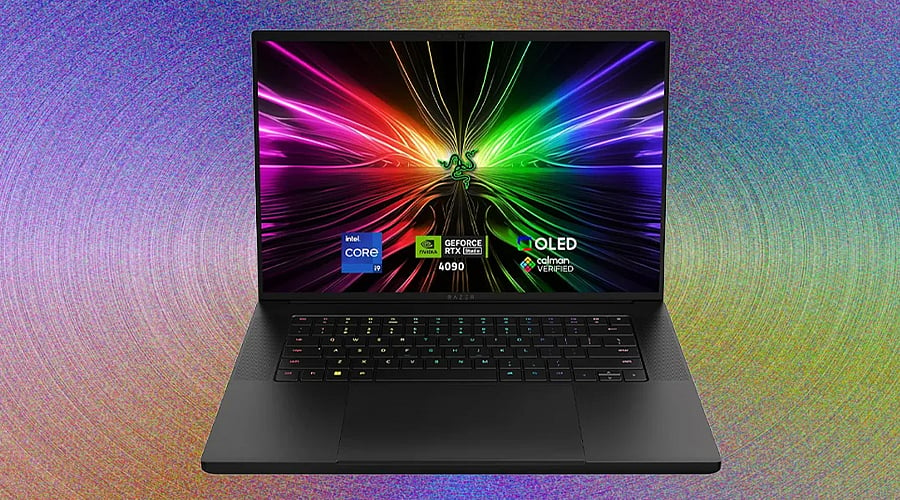
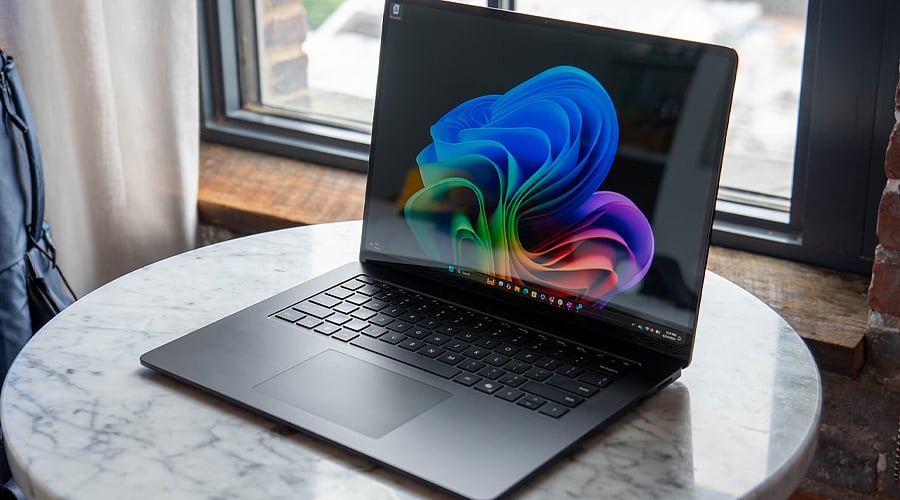
Purchasing a gaming laptop is the superior option if your routine involves gaming, working, or content creation while on the go. This route bundles a display, processor, graphics card, memory, storage, keyboard, and battery into a single package. Consequently, the steeper price tag becomes easier to justify when mobility is a priority.
Compare Your Gaming Performance Needs
Evaluate your preferred gaming titles prior to making a choice. Should your primary issue be poor frame rates or lackluster graphical fidelity, installing a more powerful GPU will likely resolve it. On the other hand, if your current machine struggles across multiple resource-heavy tasks, investing in a newer computer equipped with upgraded hardware across the board is likely the wiser path.
Check GPU Compatibility Before Buying
Upgrading a desktop graphics card is not always a straightforward plug-and-play process. Buyers must verify their power supply capacity, physical case dimensions, motherboard compatibility, cooling efficiency, and processor specifications beforehand. Furthermore, pairing an exceptionally powerful graphics card with an aging CPU can hinder the GPU from reaching its maximum capability, diminishing the overall return on investment.
Think About Long-Term Value
While a brand-new laptop delivers a completely integrated system, its upgrade paths are typically far more restrictive than those of a traditional desktop computer. Choosing a GPU upgrade allows you to retain your current setup while swapping out individual parts down the line. Weigh your future requirements, anticipated frequency of use, and how many years you expect the hardware to remain relevant.
Choose Based On Your Priorities
The ideal purchase ultimately hinges on what your current setup lacks. Go with a GPU upgrade if your present PC remains functional and sluggish gaming is your sole bottleneck. Opt for a new laptop if you require mobility, updated internal hardware, extended battery longevity, or a comprehensive system overhaul.
Join our WhatsApp Channel to get the latest news, exclusives and videos on WhatsApp