Major retailers like Amazon, Walmart, Target, and Shopify are increasingly integrating artificial intelligence to handle inventory, forecast demand, personalize shopping, and manage dynamic pricing across their operations.
Retail’s AI Transformation: Retailers have moved beyond merely using technology for online sales. Artificial intelligence increasingly assists them in anticipating demand, tailoring recommendations, handling inventory, and enhancing customer service. Beneath a standard shopping experience, smart systems may be executing decisions daily.
Amazon: More Than an Online Store: Amazon applies machine learning throughout segments of its logistical and shopping networks. Recommendation algorithms propose merchandise, whereas fulfilment and forecasting instruments assist in regulating demand and shipping. Such functions demonstrate how AI integrates into the retail engine rather than serving merely as an interface feature.
Walmart: Smarter Store Operations: Major retailers are required to maintain full shelves while navigating shifting consumer needs. AI-driven inventory and forecasting tools assist personnel in detecting potential shortages, organizing resupply schedules, and streamlining workflows. The objective remains pragmatic: ensuring items are simpler to locate while cutting down on waste and preventable inventory hurdles.
Target: Tracking Inventory at Scale: Overseeing stock across a multitude of locations entails massive quantities of dynamic data. Target has detailed utilizing machine learning alongside connected systems to enhance stock transparency. Improved inventory insights allow locations to recognize what is in stock, its precise placement, and what requires intervention.
Shopify: AI for Everyday Sellers: Shopify integrates artificial intelligence utilities into digital commerce, enabling merchants to evaluate commercial data, generate content, and execute business choices. Capabilities like the Sidekick assistant are designed to simplify store oversight and data utilization, even for smaller enterprises lacking dedicated analytics staff.
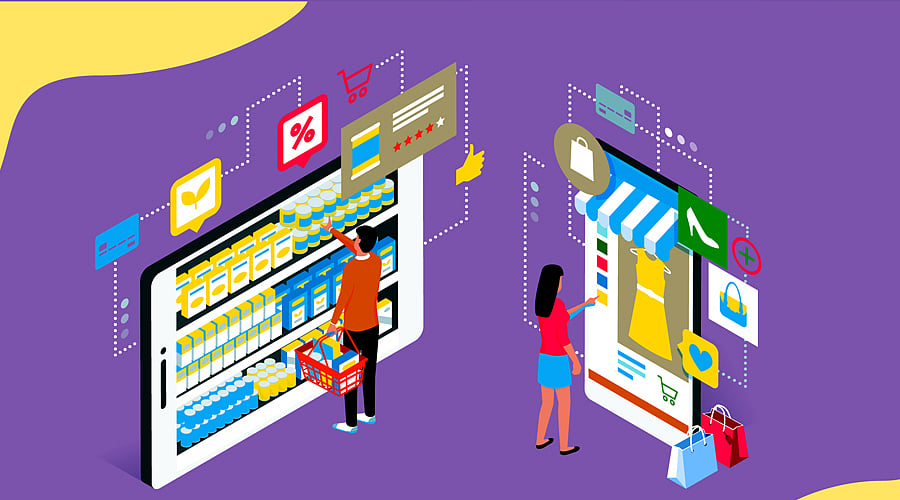
Personalized Shopping: Digital storefronts can leverage AI to sort merchandise in accordance with browsing habits, past buy history, and additional authorized indicators. Rather than presenting every customer with an identical inventory, merchants can spotlight goods that align closer with personal preferences. Customization enhances product discovery, though data privacy continues to hold significance.
AI Behind Prices and Promotions: Merchants can deploy algorithms to evaluate demand, stock volumes, expenses, and rival pricing when designing discounts or rate adjustments. These frameworks may aid in protecting profit margins and moving surplus merchandise. Nonetheless, opaque or inequitable pricing methods can erode buyer confidence, rendering clarity crucial.
Join our WhatsApp Channel to get the latest news, exclusives and videos on WhatsApp