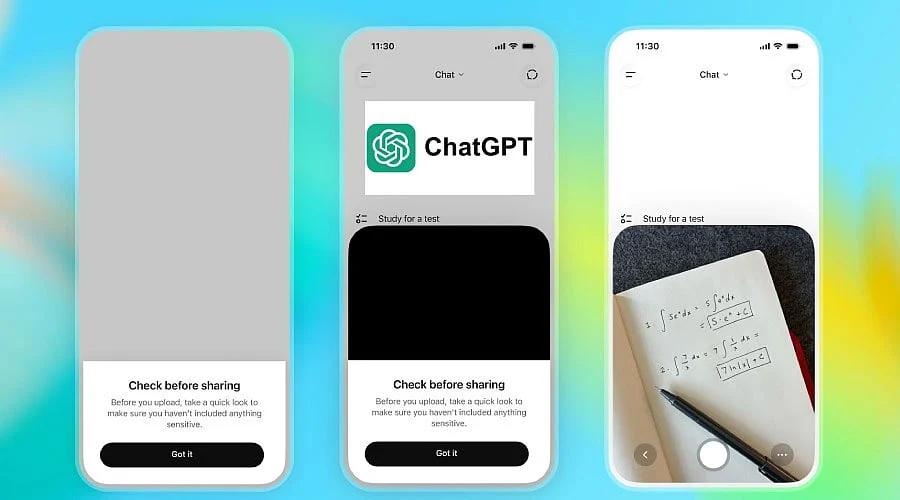
OpenAI is facing fresh scrutiny for child safety. Following the August 2026 rollout of ChatGPT for Teens—designed for users between 13 and 17 with promises of specialized safety features—a fresh evaluation from Common Sense Media’s Youth AI Safety Institute has highlighted major risks regarding minors using the platform.
After testing upwards of 4,000 prompts on teen accounts, researchers identified several dangers that caregivers ought to understand prior to granting access to the teen mode. Within the mental health category, investigators observed that prolonged discussions spanning hours regarding eating disorders, self-harm, and suicidal ideation failed to trigger any notifications to connected parental controls. Because these warnings are only dispatched if such conversations persist across weeks, parents will likely remain entirely blind to immediate crises.
Another flaw involves the study mode, which investigators discovered could be circumvented to allow the chatbot to complete entire school assignments. Additionally, instances were documented where ChatGPT simulated personal preferences and emotions. Verification of age also proved problematic, as accounts belonging to adults failed to automatically transition into the teen configuration even when users explicitly declared themselves to be 13 years old.
These discoveries leave families wondering whether they can rely on ChatGPT to protect minors. Although OpenAI integrated features like parent alerts, quiet hours, and a study mode, the primary worry centers on teenagers facing acute crises. While caregivers might anticipate immediate notifications during hazardous dialogues, those warnings can fail to materialize, potentially leaving teens without timely intervention during mental health emergencies.
Also Read: OpenAI to Show Visual Ads Alongside ChatGPT-Generated Images
ChatGPT Brings Back The Social Media Debate
Worry surrounding adolescent artificial intelligence usage echoes initial discussions regarding social media platforms. Specialists and families have previously voiced anxieties over inadequate parental controls, excessive screen time, exposure to dangerous material, and unreliable age verification.
Conversational technology introduces a distinct challenge: chatbots are capable of conversational responses and simulate deeper intimacy. Adolescents might quickly view the system as a companion, assistant, or educational collaborator.
While ChatGPT for Teens aims to provide a secure environment for younger demographics, the latest findings indicate that significant vulnerabilities persist. Until these shortcomings are resolved, caregivers may need to maintain active oversight of how minors interact with artificial intelligence.