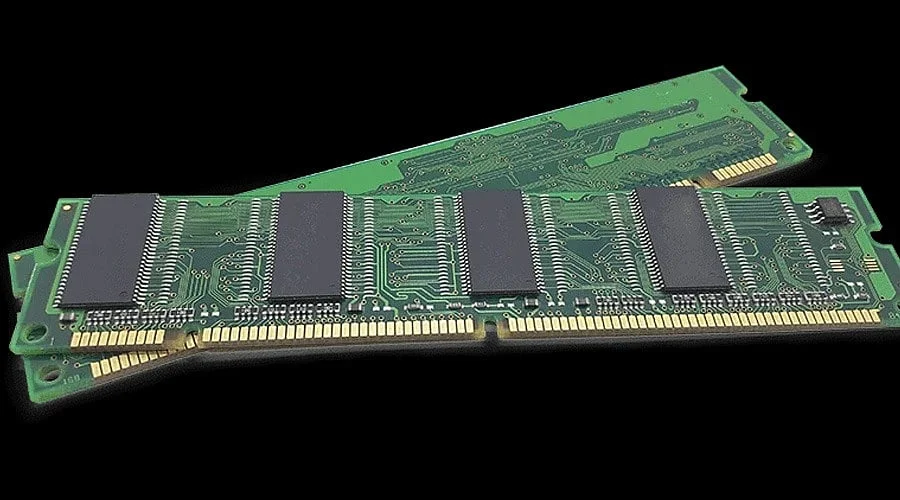
Faced with persistent RAM shortages and sharp price spikes, both Intel and AMD are turning back to older memory standards. DDR4 is staging a return alongside revived backing for legacy processor sockets, motherboards, and chipsets. This shift aims to provide consumers with budget-friendly upgrade paths as the cost of DDR5 RAM continues to rise.
Intel Revives DDR4 Support with New Processors
Gigabyte revealed on Friday that a pair of its motherboard product lines will accommodate upcoming CPUs designed for Intel’s LGA 1700 socket. First rolled out in 2021 alongside Intel’s 12th-generation Alder Lake chips, this socket originally accommodated both DDR4 and DDR5 RAM before Intel transitioned exclusively to DDR5 in 2024.
According to Gigabyte, compatibility with both memory standards will return when the new LGA 1700 processors launch in early 2027. When approached for comment, Intel declined to issue a statement.
This renewed dual-memory compatibility could allow users to upgrade their CPUs while keeping their current, more affordable DDR4 memory instead of being forced to purchase expensive DDR5 modules.
AMD Also Returns to its Older AM4 Platform
Taking a parallel route, AMD is redirecting focus toward its legacy AM4 platform, which utilizes DDR4 memory.
Back in August, Gigabyte revealed a fresh lineup of AM4 motherboards coinciding with a 10th-anniversary reissue of AMD’s Ryzen 7 5800X3D processor.
This strategy indicates that older computing platforms will likely stay viable for consumers wanting to enhance their rigs without absorbing the high costs currently tied to cutting-edge memory hardware.
DDR4 Becomes a More Affordable Alternative
Launched initially in 2014, DDR4 was eventually superseded by DDR5, a standard known for superior speed and energy efficiency. Yet, the ongoing memory crunch has upended pricing dynamics, leaving DDR4 far less impacted by surges than its successor.
The cost gap is substantial: a 32GB Corsair Vengeance DDR5 RAM kit is priced at USD 620, whereas the equivalent DDR4 kit sells for USD 260. Even though DDR4 is pricier than its typical mid-2025 baseline, the DDR5 package runs more than double the cost.
For budget-conscious builders and upgraders, these financial savings may easily overshadow the performance and efficiency gains offered by DDR5.
Also Read: AMD to Buy Fei-Fei Li’s World Labs in USD 8.2 Billion AI Deal
RAM Prices Could Remain High for Years
Because memory costs may take several years to normalize, aging chipsets and sockets provide a pragmatic choice for many computer users. Although DDR5 represents the superior technology, its steep price tag positions DDR4 as a logical near-term substitute.
For people already running DDR4 systems, this extended hardware support provides a compelling incentive to keep their existing memory rather than swapping it out amid the current market tightness.