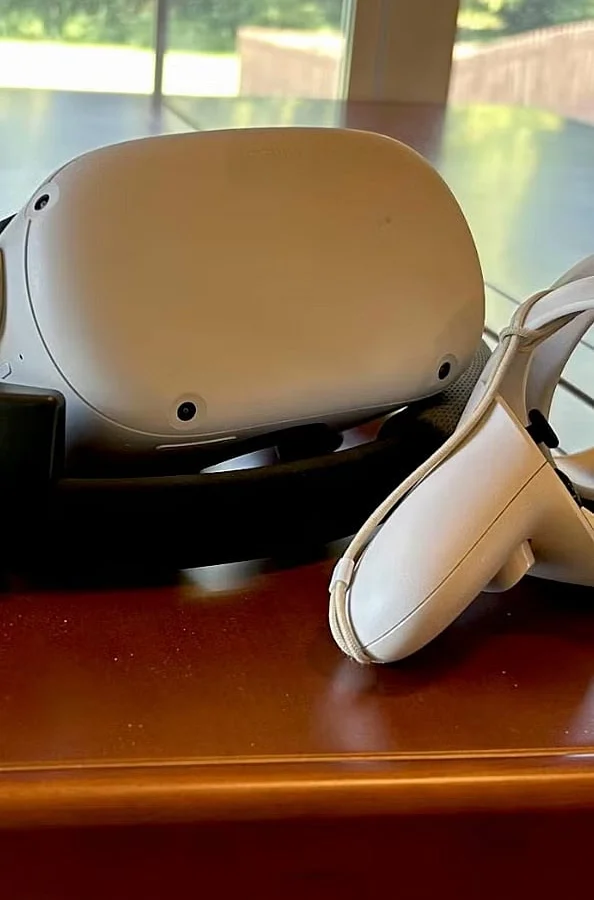
Advancements in gaming hardware could drive a resurgence of motion controls, offering players more organic methods of interaction that extend beyond standard buttons and thumbsticks.
Enhanced sensors allow for swifter and more precise movement tracking, helping contemporary motion setups sidestep the lag and limitations associated with older hardware.
Virtual reality has already familiarized users with motion-based mechanics, laying a solid groundwork for integrating similar control schemes into standard console gaming.
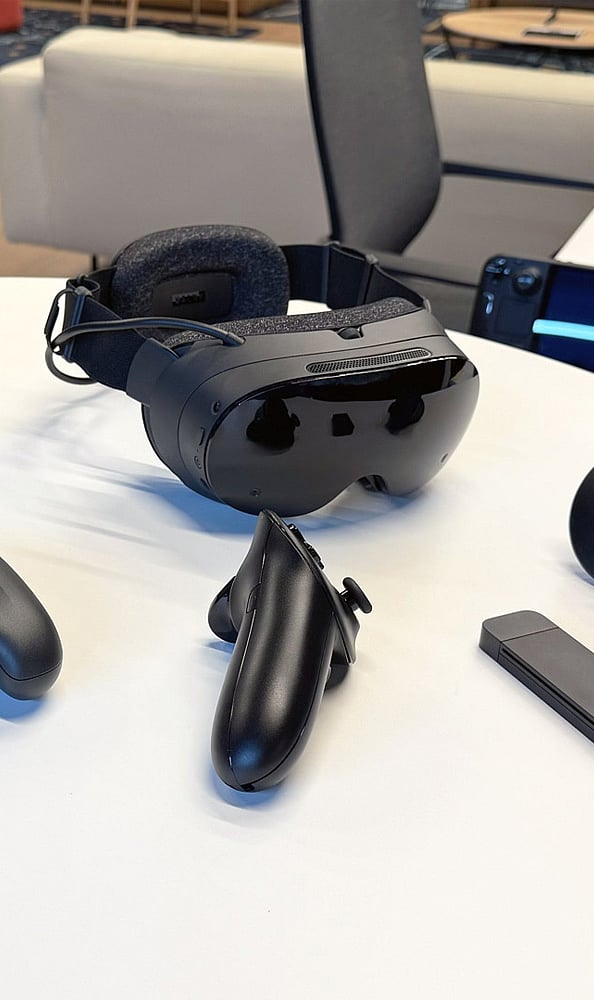
Next-generation controllers might blend conventional buttons, sticks, touchpads, and motion tracking, empowering creators to pioneer innovative gameplay concepts.
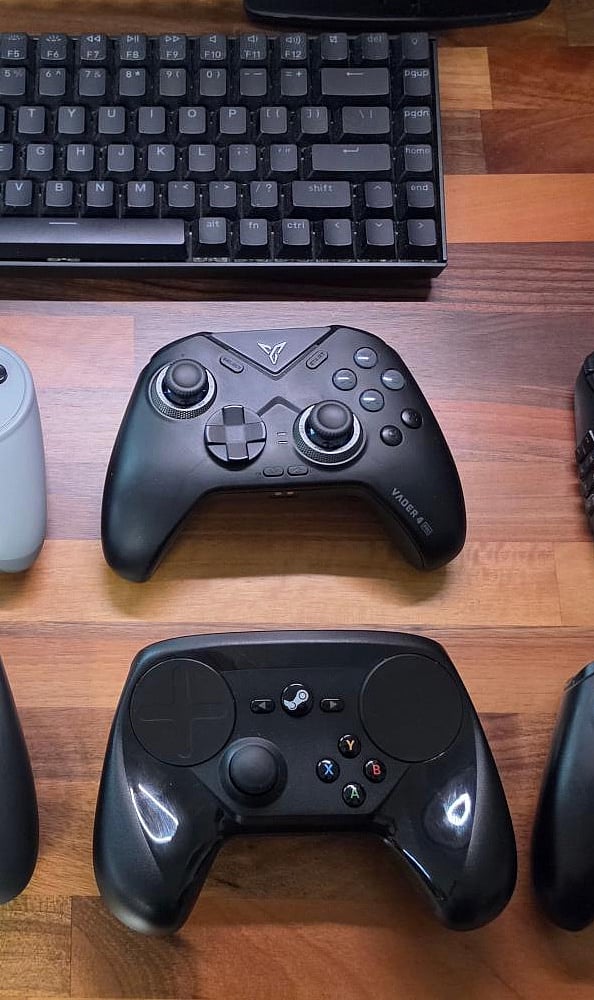
Fitness software remains an ideal application for motion controls, transforming gaming sessions into active workouts free from the need for complex equipment or configurations.
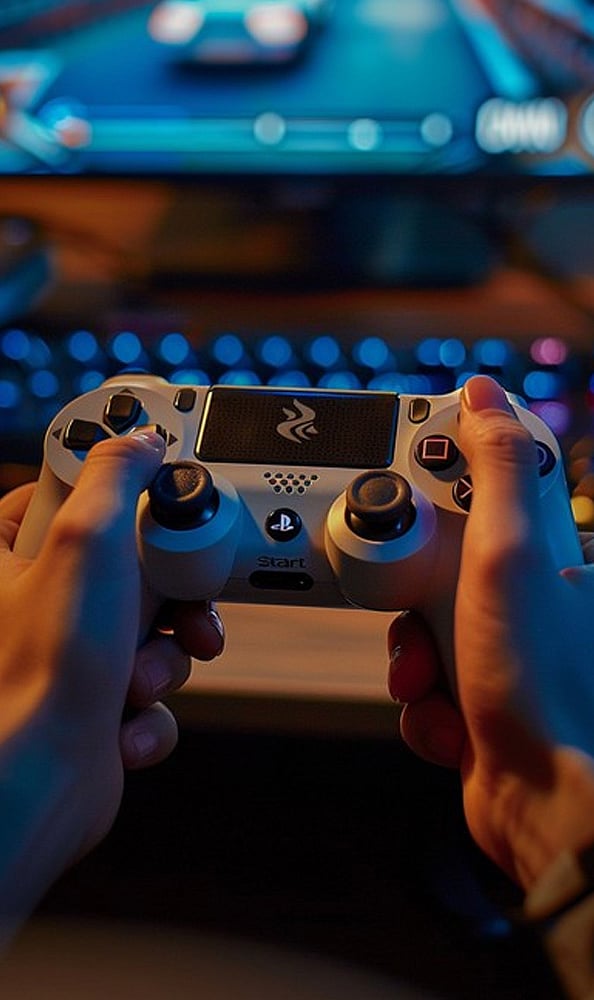
Party titles can become significantly more immersive through motion controls, enabling multiple users to move, react, and compete alongside one another in the same physical space.
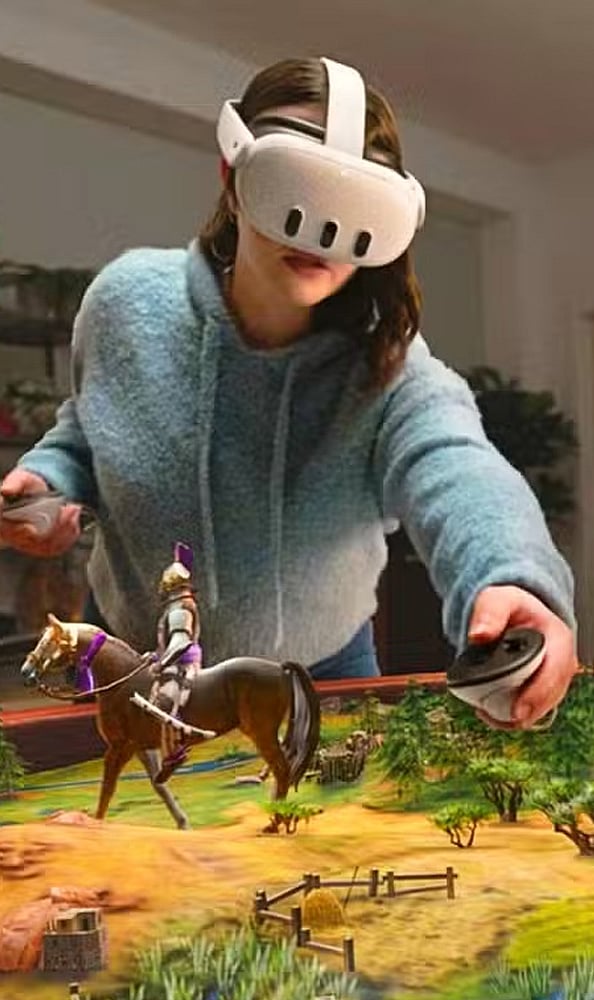
Game designers may leverage motion tracking for genres like driving, sports, aiming, and adventure, introducing physical actions that standard inputs cannot easily replicate.

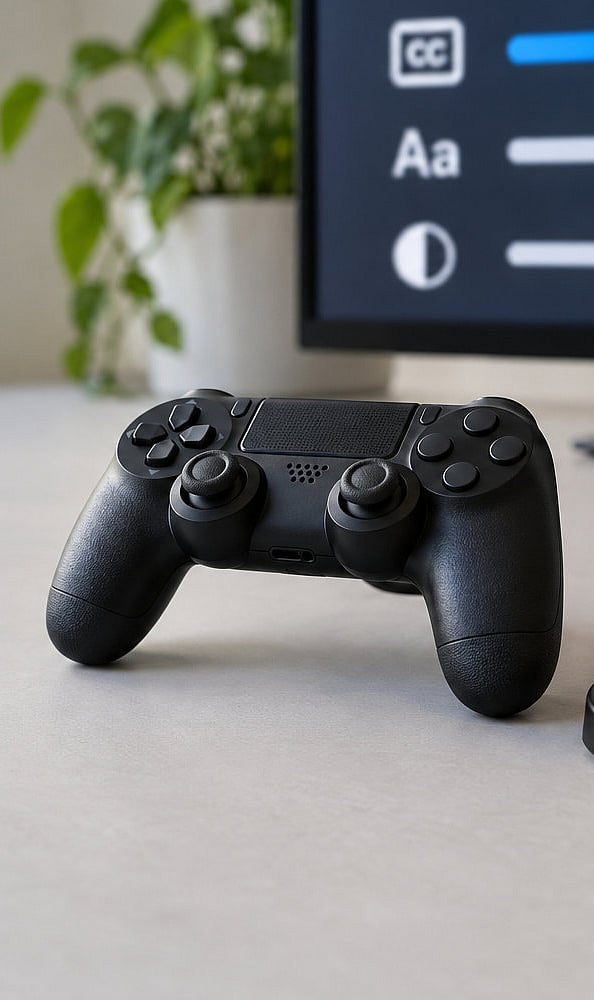
Accessibility options can also see significant improvements via motion controls, providing alternative interaction methods for individuals who find standard controllers challenging to use.
Should hardware manufacturers successfully strike the right balance between comfort and tracking precision, motion controls could reemerge as a prominent industry trend.
Read More Stories

Join our WhatsApp Channel to get the latest news, exclusives and videos on WhatsApp