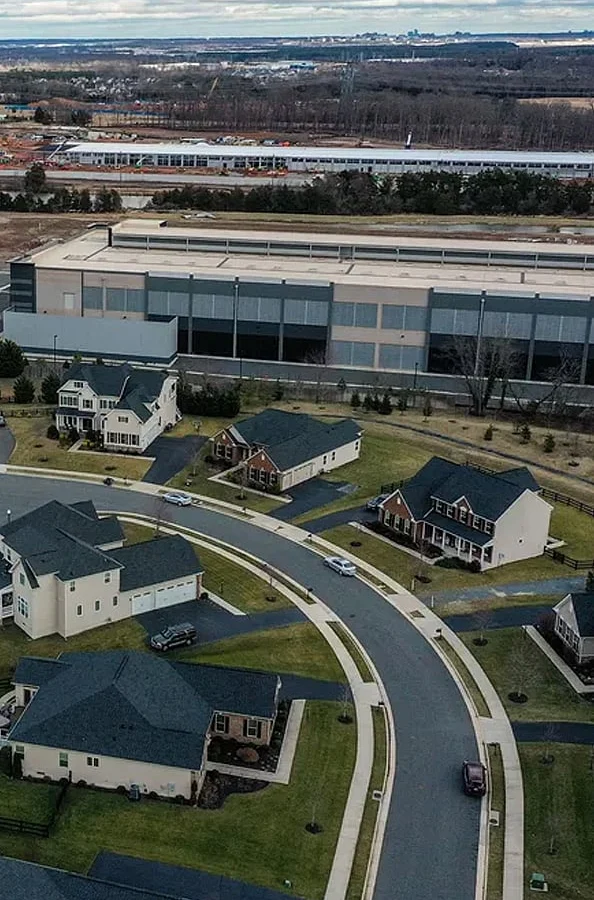
Economic growth can be stimulated by large data centers through construction jobs, increased spending, and higher tax revenues.
During the construction phase, a standard large data center typically provides employment for roughly 1,500 people, though post-opening staffing levels are significantly lower.
The need for skilled professionals in technology, electrical work, plumbing, HVAC, welding, and related areas can grow because of these data centers.
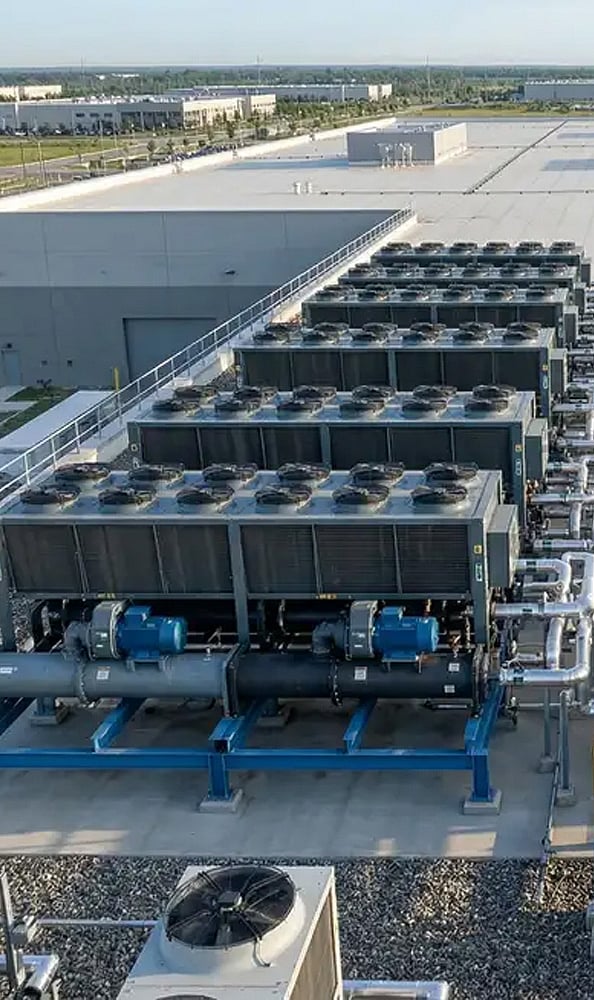
Power grids can face heavy strain from these massive facilities—which often consume hundreds of megawatts of electricity—necessitating upgrades to local energy infrastructure.
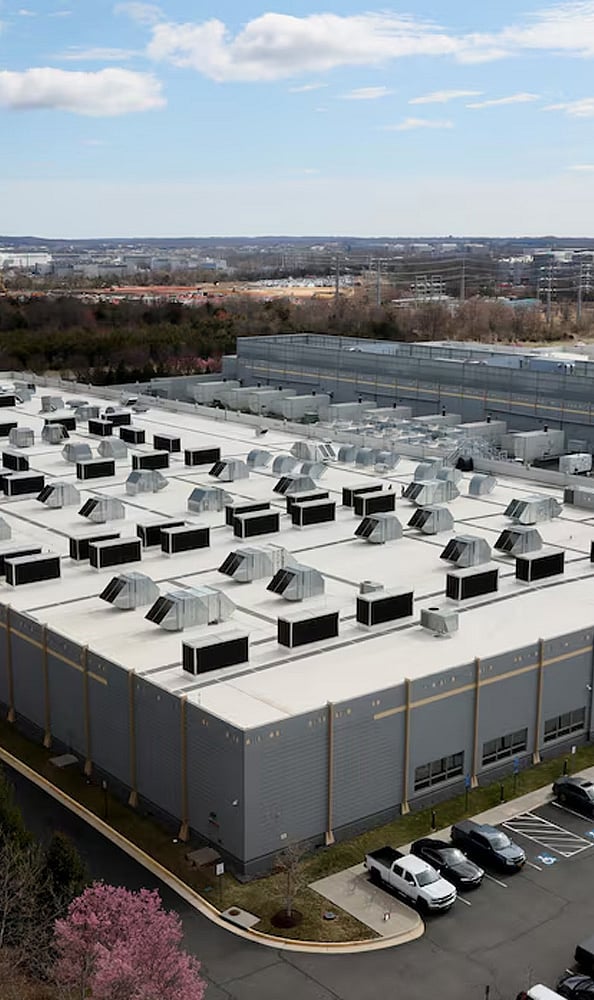
Water consumption by cooling systems can reach anywhere from hundreds of thousands to millions of gallons daily, creating worries in regions facing water scarcity.
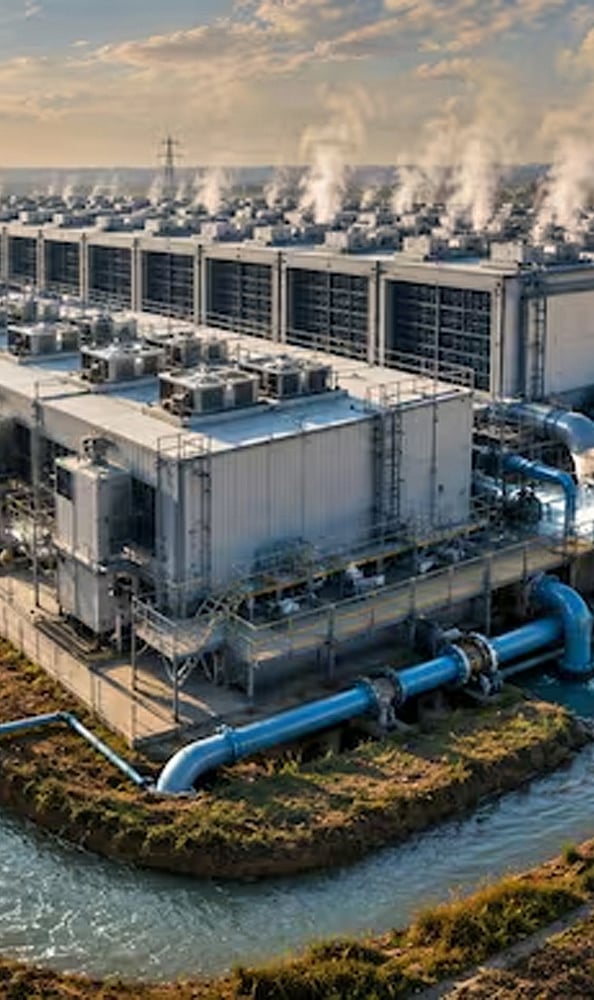
Rural areas can experience significant alterations to their landscapes due to massive buildings, perimeter fencing, increased traffic, backup generators, and cooling apparatuses.
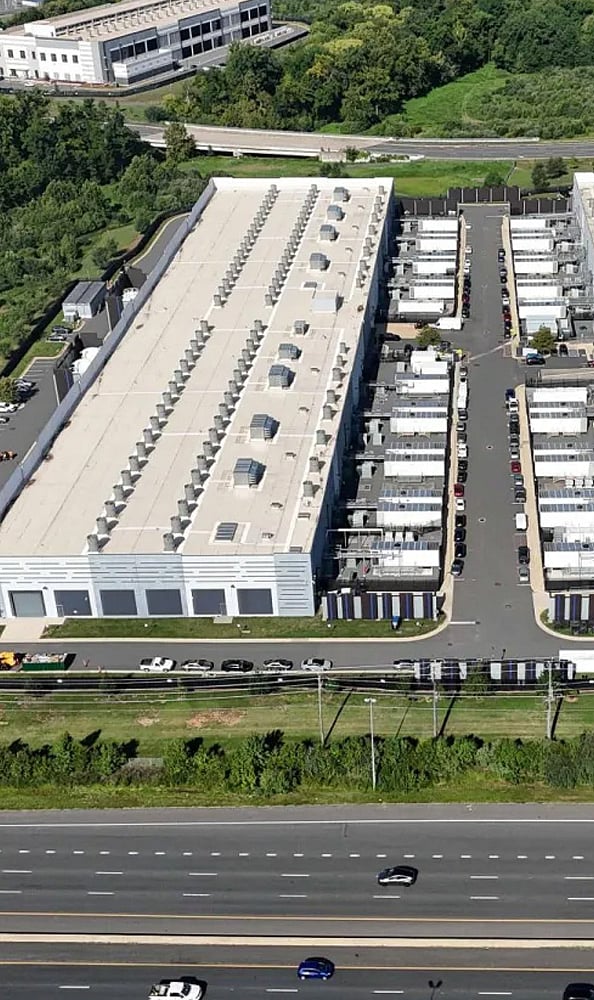
Nearby residents may be impacted by operational noise from backup generators and cooling systems, while building activities can drive up local emissions and traffic levels.
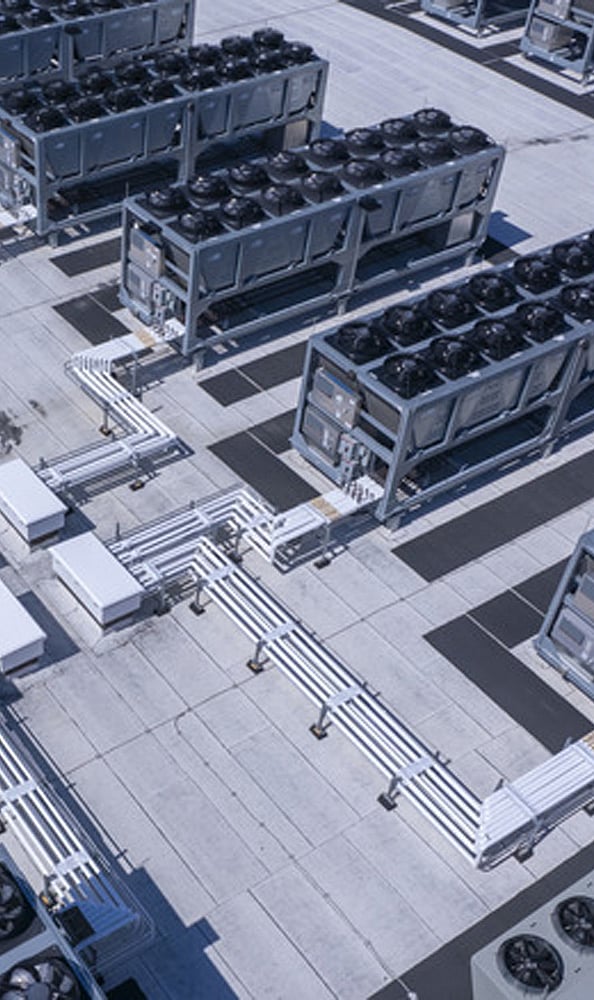
While tax income can prove advantageous for municipalities, local financial benefits may be diminished by tax incentives as well as public expenditures on power grid enhancements and road construction.
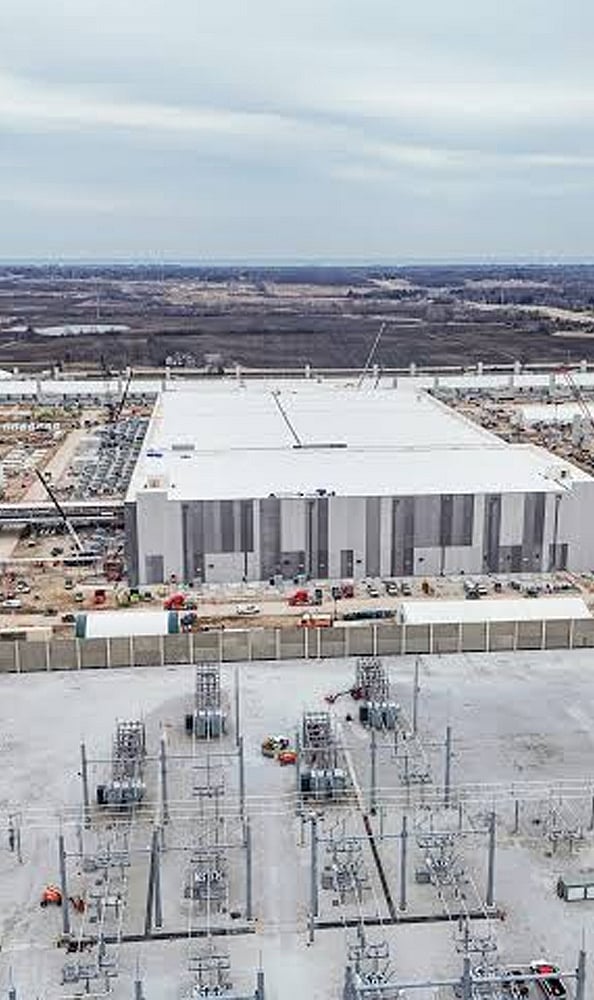
In response, local communities are implementing community benefit agreements, specialized zoning regulations, water and noise limits, renewable energy mandates, and workforce development initiatives.

Read More Stories

Join our WhatsApp Channel to get the latest news, exclusives and videos on WhatsApp