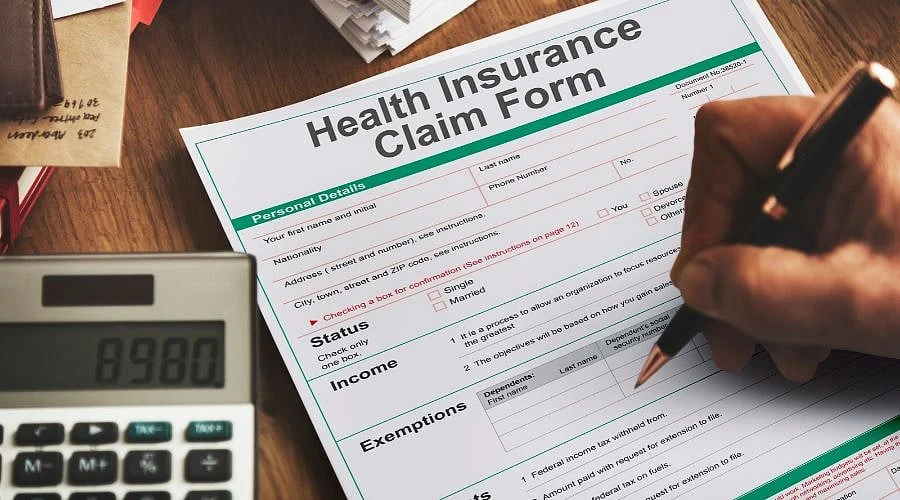
Waiting for your health insurance claim to receive approval following hospitalisation is a stressful experience. Anyone who has ever sat in a hospital waiting for an insurer to clear a cashless request knows how slowly every hour passes. Sadly, most individuals simply accept this delay as an unavoidable part of settling a claim.
However, the adoption of Artificial Intelligence (AI) within India’s health insurance claims sector is beginning to shift this reality. Insurers are using AI to overhaul their claims management, resulting in expedited processing, improved fraud detection, reduced errors, and decreased paperwork.
At the same time, relying on AI to help determine claim approvals brings up valid concerns regarding fairness and accountability. Let us examine how AI assists with claims processing, the advantages it offers policyholders, the hidden dangers involved, and the steps you can take as a customer.
Why Health Insurance Claims Have Been a Pain Point in India?
Purchasing health insurance plans is straightforward. Insurance providers readily answer questions and follow up because they want your business, and annual premium payments are simple, one-time choices. The real test occurs when you actually need to use your coverage.
Policyholders frequently encounter the same familiar frustrations. Cashless approvals can drag on for hours, reimbursement claims bounce back and forth due to missing paperwork, and rejections often cite terms and conditions that were never explained during the initial sale. Families are also frequently surprised upon discharge when deductions for room rent limits or consumables result in a lower payout than expected.
These processing delays are largely driven by the sheer volume of documents that insurance claims teams must review by hand. A single claim might include pre-authorisation forms, physician notes, diagnostic reports, bills, and discharge summaries, often presented in varying formats or even handwriting. Manual reviews of this volume are time-consuming, prone to human error, and compounded by the hundreds of claims evaluated daily.
This heavy, repetitive workload is precisely what AI handles best.
How AI Helps with Health Insurance Claim Processing?
During the management of health insurance claims, AI assists with several specific tasks:
Reading Documents
AI can process multiple types of documents, including policy wordings, scanned bills, prescriptions, and discharge summaries. It extracts key data automatically—such as diagnoses, procedures, dates, and amounts—to fill in forms and save valuable time.
Sorting Claims by Complexity
Many insurance companies deploy AI to categorize claims by their complexity level. Routine, low-cost claims featuring straightforward procedures and clean paperwork are fast-tracked, whereas complicated or unusual cases are directed to human staff. This segmentation accelerates overall processing speeds.
Checking Bills Against Policy Coverage and Norms.
Using training models built on historical claims, AI can cross-reference hospital bills against standard pricing for specific procedures within a given city. Charges that appear exceptionally high are automatically flagged for closer inspection by a human reviewer.
Detecting Fraud
Insurance fraud—such as inflated bills, fictitious hospital stays, and duplicate claims—is widespread in India. AI flags suspicious indicators, including patients admitted to two separate facilities on overlapping dates or medical centres that consistently bill well above regional averages. Understanding how AI is enhancing fraud detection in health insurance serves as a major advantage for carriers.
Benefits of AI in Health Insurance Claims for Policyholders
Policyholders experience several primary advantages when AI is integrated into claims management:
Faster Claims Approval
The most significant advantage for consumers is quicker approvals. Guidelines issued by the IRDAI in 2024 mandate that insurers make decisions on cashless authorization requests within 1 hour and deliver final discharge approvals within 3 hours. AI systems help companies meet these deadlines on a large scale.
Fewer Document-related Rejections
Medical insurance claims are frequently delayed or denied over minor issues like missing paperwork or misspelled names. AI-driven document screening flags these gaps early, sometimes before the patient is even discharged.
More Consistency
Ideally, two comparable claims should receive identical treatment. AI minimizes the inconsistencies that happen when different human reviewers interpret policy language in varying ways, lowering error rates and bringing uniformity to the process.
Lower Premiums
Effective AI-driven fraud prevention protects honest policyholders from absorbing higher premiums that would otherwise cover fraudulent losses. It also cuts administrative expenses for insurers, which can translate to lower costs for consumers.
Improves Trust and Transparency
Medical crises happen at all hours. AI enables claims to be processed just as efficiently in the middle of the night as during normal business hours, fostering customer trust while real-time tracking increases transparency.
Government programs like the Ayushman Bharat Digital Mission seek to establish unified frameworks so that patients, hospitals, and insurers can share information seamlessly. As AI structures this data more effectively, managing health records may soon become as simple as ordering prescription medicines through medicine delivery apps in India.
Risks of AI in Health Insurance Claim Decisions
While AI gives insurers speed, it is also capable of making mistakes. Consider the following risks associated with AI-driven claim determinations:
No Real Ownership for Claim Rejections
If an AI tool flags a claim and a human reviewer simply concurs without verification, a claim might be rejected without a meaningful explanation. The automation makes it simpler to deny claims broadly without any individual taking true responsibility for the outcome.
Errors in Reading Documents
Handwritten scripts, notes in regional dialects, and low-resolution scans are commonplace across India. AI applications can occasionally misread these inputs, and a single diagnostic misidentification can trigger a mismatch and delay a valid claim through no fault of the policyholder.
Data Biasness
AI relies heavily on historical claim data to process current requests. If a hospital faced unfair penalties in the past, an AI system might inadvertently perpetuate that bias. Patients in smaller towns or those visiting smaller clinics frequently bear the consequences because their documentation formats differ.
Fraud Flags that Delay Genuine Claims
AI can mistakenly classify valid claims as fraudulent. An authentic claim that appears atypical due to an uncommon medical condition or a costly yet necessary treatment can prompt manual reviews and subsequent delays.
Data Privacy
Relying on automated technology to process health records presents privacy concerns. The broader the use of AI and automated systems, the greater the exposure to potential data leaks or misuse.
What Can You Do As a Policyholder If Your Claim Gets Rejected?
Even if an insurer’s automated system denies your health insurance claim, the company remains obligated to provide an explanation. Consider taking the following steps:
-
You have a right to receive a clear, written rationale detailing why your claim was denied or only partially paid.
-
You can submit a formal appeal letter asking the insurance provider to re-evaluate the decision.
-
If you remain unsatisfied, escalate the matter to the insurer’s designated grievance officer or to the IRDAI’s Grievance Cell of Consumer Affairs.
-
You may also contact the Insurance Ombudsman for assistance if the insurer upholds its rejection.
How to Get Your Health Insurance Claim Approved Faster?
To secure faster approval for your health insurance claims, keep these strategies in mind:
-
Be Honest During Policy Purchase: Disclose all pre-existing medical conditions when you buy your policy. Failure to disclose is easily caught by AI tools and will result in claim denials.
-
Read the Policy Documents Carefully Before Buying: Review your policy papers beforehand to understand room rent caps, disease-specific sub-limits, exclusions, co-payment terms, waiting periods, and other conditions. Doing so helps prevent future claim rejections.
-
Keep a Soft Copy of Your Claim Documents: Maintain digital scans of all paperwork, including bills, prescriptions, and test reports. Ask your physician to write clearly or provide typed summaries to help AI systems read them accurately and prevent errors.
-
Prefer Network Hospitals: Cashless claims processed through network hospitals are significantly more streamlined than those at non-network facilities, resulting in faster turnarounds.
-
Ask for Reasons for Claim Rejection: If a claim is denied or reduced, demand the exact justification or specific policy clause behind the choice. You can also insist on a manual human review if something appears incorrect.
Future of AI in Health insurance
As AI integration becomes more organized and hospitals increasingly digitize, routine claims will likely see higher approval rates with minimal human intervention. This shift promises faster cashless turnarounds, smarter updates on claim statuses, and improved fraud detection, ultimately increasing transparency and potentially lowering premiums.
However, debates surrounding accountability for claim denials will likely persist. Questions will continue to be raised regarding who holds responsibility when an automated decision proves incorrect, given that AI is merely a tool.
As a consumer, your best safeguard is making informed choices when purchasing coverage. Compare various health insurance plans online through insurance broker platforms to locate the policy matching your budget and health needs, read the terms carefully before purchasing, and truthfully declare any pre-existing medical conditions on your application form.
In a Nutshell
Incorporating AI into health insurance has introduced faster claim clearances, improved transparency, and better fraud detection. Nevertheless, the transition is not without drawbacks. Major obstacles include delays involving complex or unusual claims, rejections stemming from historical data biases, document-reading errors, a lack of accountability, and privacy vulnerabilities.
Consequently, policyholders must be prepared to question decisions openly and escalate issues whenever they believe a claim has been unfairly denied or underpaid.