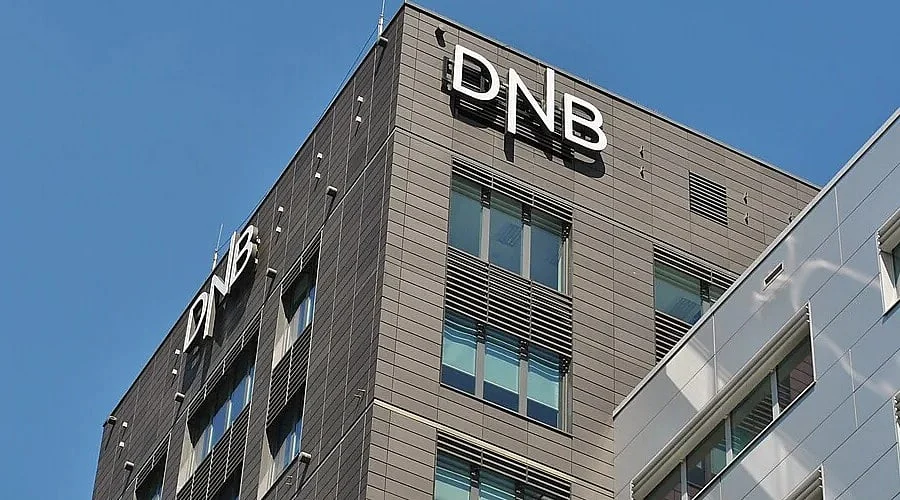
Norway’s largest financial institution, DNB, is preparing to eliminate approximately 400 positions within its technology department. According to the bank’s official website, the reductions aim to “deliver better customer experiences, increase efficiency and meet customers’ future needs.” These staff cuts reportedly stem from the implementation of various AI agents throughout the organization to automate tasks that were once performed by hand.
Artificial intelligence is already deployed for several functions, including software coding, technical operations, and Know Your Customer (KYC) procedures. The planned layoffs are slated to begin in the fourth quarter and conclude by the end of 2026.
The institution noted that artificial intelligence is transforming departmental workflows. DNB CEO Kjerstin Braathen stated, “AI is changing the way we work and how we deliver services to our customers. We are already seeing considerable gains, and are therefore adapting our organisation to a new reality.”
Braathen added, “At the same time, we know that this restructuring will affect employees who have made a strong contribution to DNB for many years. This is why it is important for us to carry out an orderly and responsible process, and take care of the employees affected in the best possible way.”
Furthermore, leadership emphasized a commitment to managing the downsizing responsibly and assisting impacted personnel. Following the announcement, DNB’s stock value increased by roughly 1%. This development coincides with broader industry trends, as various financial institutions adjust their workforces while increasing investments in artificial intelligence.
Also Read: Disney Layoffs Hit Pixar, ESPN & ABC News as TV Restructuring Looms
KYC Could See A Bigger AI Shift
DNB confirmed that AI agents are already active in KYC operations. Financial institutions are required to verify client information and documentation prior to providing numerous services, a process that frequently involves routine tasks.
Artificial intelligence possesses the capability to execute straightforward verifications, organize data, and highlight files requiring deeper investigation. However, this does not signify that all KYC duties will be transferred entirely to automation, as certain situations still require human evaluation and final decision-making.
DNB’s reduction of 400 roles highlights the evolving nature of labor in the banking sector. Moving forward, operations may experience a distinct division, where AI manages routine duties while human staff concentrate on scenarios demanding careful oversight and professional judgment.