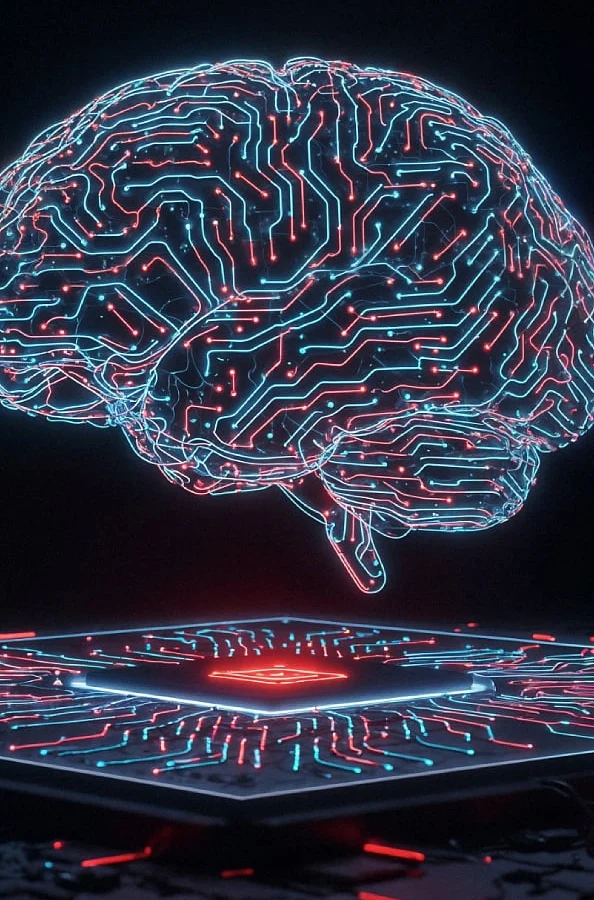
By emulating the neural networks of the human brain, neuromorphic computing creates artificial intelligence chips capable of high-efficiency information processing combined with lower power consumption.
In contrast to standard processors, these brain-inspired alternatives handle data utilizing electrical spikes, mirroring the signals transmitted between biological neurons.
Artificial neurons within Spiking Neural Networks fire when signals surpass a designated threshold, assisting AI systems in reacting to fluctuating data instantaneously.

Through event-driven computing, data is handled exclusively when significant changes happen, which cuts down on extraneous energy consumption and needless computations.

By integrating in-memory computing and memristors, data storage is placed nearer to processing sites, mitigating the processing delays caused by transferring information across distinct units.

Prominent examples of these brain-mimicking chip initiatives include Intel Loihi and IBM TrueNorth, both engineered to facilitate neural network processing alongside efficient computing.
The architecture of neuromorphic computing offers potential advantages for autonomous vehicles, drones, robots, and smart sensors, enabling rapid reactions with reduced energy demands.

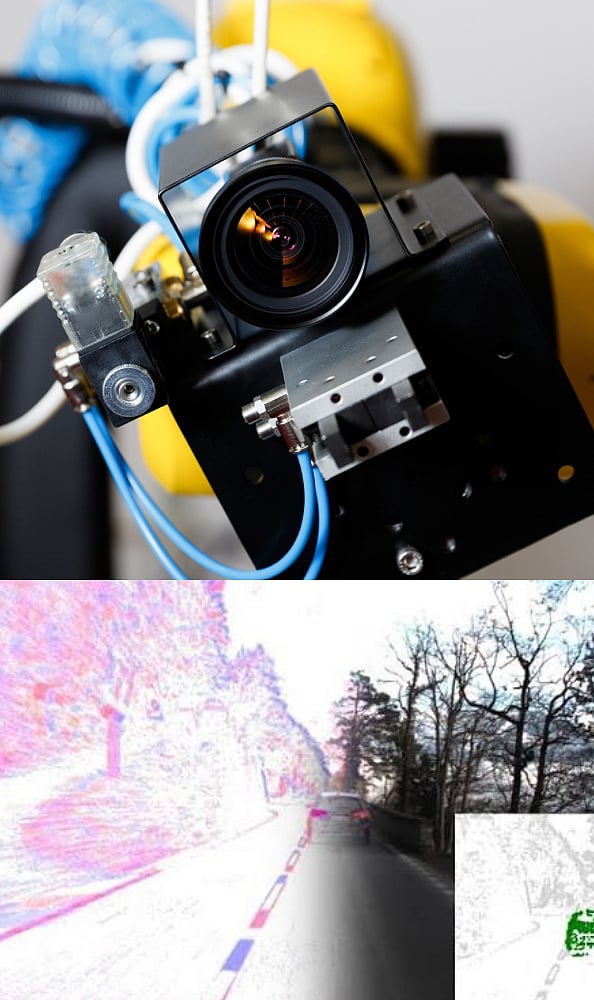
Rather than analyzing every single video frame continuously, event-based cameras identify shifts within individual pixels, empowering machines to track movement with minimal latency.
Presently, neuromorphic computing encounters hurdles related to training, software, and hardware. Consequently, it functions best as a niche AI methodology rather than a substitute for GPUs.
Read More Stories

Join our WhatsApp Channel to get the latest news, exclusives and videos on WhatsApp