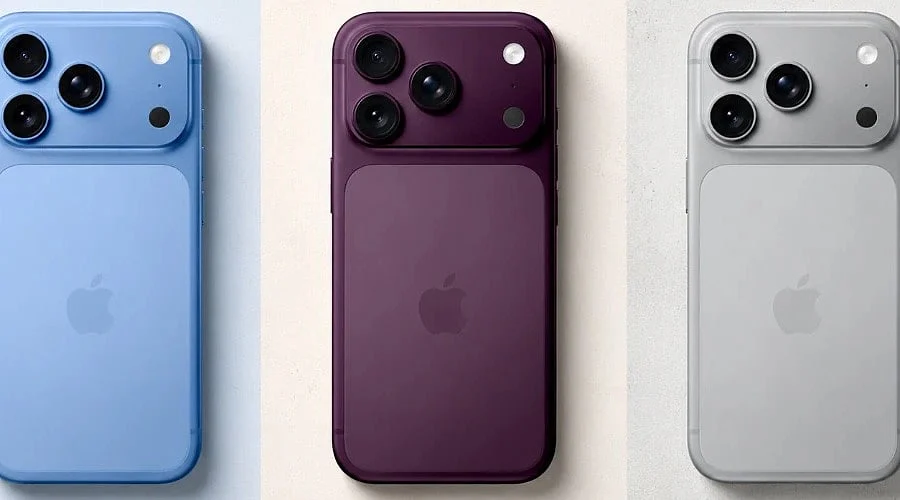
Apple has requested that certain suppliers reduce component production for the iPhone 18 Pro and iPhone 18 Pro Max due to weaker-than-anticipated consumer demand. Nikkei Asia broke the news on October 9, with Reuters subsequently reporting on the development while crediting the Japanese publication.
Apple has not disclosed the magnitude of the reduction. Released on September 18—less than a month ago—both devices represent Apple’s highest-priced offerings, designed for consumers seeking premium hardware.
What the Cut Means for Apple
The tech corporation is seeking to align its component orders with actual sales figures. Scaling back production early prevents an accumulation of unsold inventory. The report omits the precise volume of the production cut, the specific suppliers affected, and any revised manufacturing targets, as these specifics were unavailable when the report was published.
Forecasting demand for expensive smartphones remains challenging. Firms must anticipate consumer uptake, and these projections can occasionally miss the mark. Shifts in consumer spending and rising component costs complicate the process, and misjudging demand can lead to financial inefficiency.
Also Read: How Much Personal Data Should You Share with Siri on iPhone?
Not Yet a Sign of Wider Trouble
The findings do not necessarily indicate a broader downturn in demand for high-end smartphones. The sluggish sales might be isolated to these specific variants or could represent a temporary slowdown that rebounds later.
Additionally, the news does not imply that overall iPhone sales have declined. The report lacks regional sales figures or model-specific breakdowns, making it premature to assess the overall effect on Apple’s mobile division. Nonetheless, the performance of the Pro and Pro Max will remain under close scrutiny, and persistent softness in demand could trigger further production adjustments in the months ahead.