What Is An AI Checker
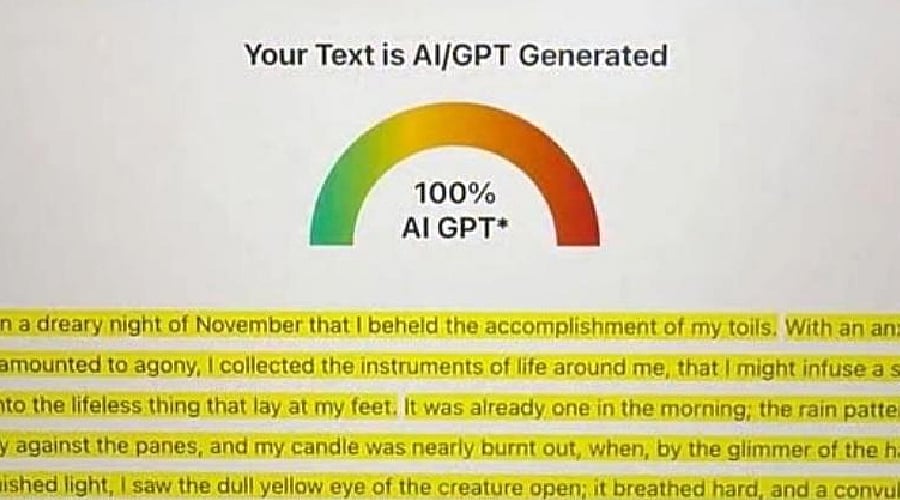
Software tools known as AI checkers are built to estimate if text originates from an artificial intelligence system. They evaluate linguistic signals such as sentence structures, word choices, predictability, and writing patterns. Because these programs deliver probability assessments instead of absolute proof, human-authored text can occasionally be misclassified as AI-generated.
Why False Positives Happen
A false positive happens when a detection tool mistakenly flags human writing as machine-created. While these systems search for traits linked to automated writing, similar traits can emerge naturally in human prose. Consequently, formal wording, uniform sentence patterns, straightforward explanations, and predictable phrasing can trigger a mistaken detection outcome.

Predictable Language Patterns
AI detectors frequently assess the predictability of specific words and phrases within a given sentence. People often rely on standard vocabulary and conventional structures, especially when crafting professional, educational, or informational documents. Since artificial intelligence also generates predictable wording, detectors can easily misinterpret standard human text as machine-made.
Short Content Can Mislead
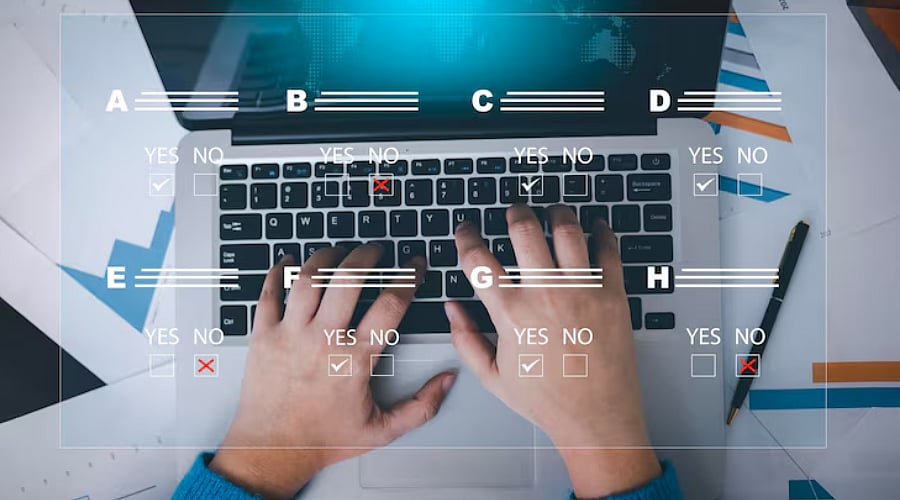
Brief passages supply fewer linguistic markers for a detector to evaluate properly. A short excerpt featuring repetitive structures or common terms can mirror the patterns typical of generated text. This restricted amount of data raises uncertainty and boosts the chances of a false positive, particularly when tools try to issue a definitive label.
Editing Can Change Results
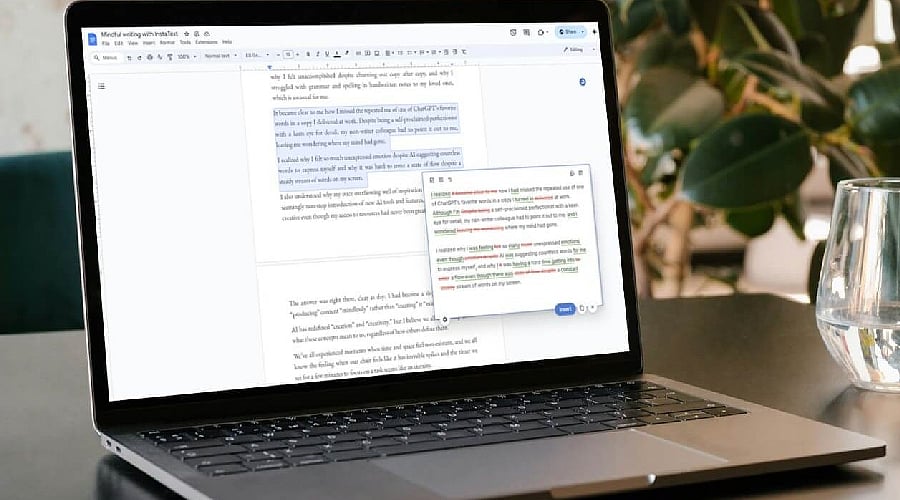
Human writing that goes through thorough revision can turn out much more structured and uniform. Professional editing, grammar fixes, simplification, and rewriting often iron out natural inconsistencies in a person’s style. Consequently, heavily revised human text may seem more predictable to a detection tool, raising the risk of an incorrect AI label.

Language And Writing Style
The effectiveness of AI checkers can vary depending on dialects, languages, proficiency levels, and individual writing styles. Non-native English text, strict formal language, and specific niche writing formats can generate patterns that detectors mistake for automated output. Therefore, any detection score requires careful evaluation rather than being viewed as absolute proof.