7 Real-World Examples of Unexplainable Black Box AI
Explore seven real-world examples of unexplainable black box AI, ranging from facial recognition and medical diagnosis to autonomous vehicles and generative AI, where internal reasoning remains difficult to trace.
Facial Recognition: Deep learning systems can identify faces from complex visual patterns, but their internal reasoning remains difficult for humans to trace or explain.
Credit Scoring: AI models evaluate credit history, spending habits, income, and additional data points to gauge risk, yet their ultimate verdicts can stay hard to decipher.
Medical Diagnosis: Artificial intelligence can spot medical abnormalities and diseases within medical scans, though physicians frequently find it hard to trace the exact path leading to specific conclusions.
Recommendation Systems: Social media networks, e-commerce sites, and streaming services leverage AI to tailor suggestions, even though consumers often remain unaware of why particular items show up on their screens.
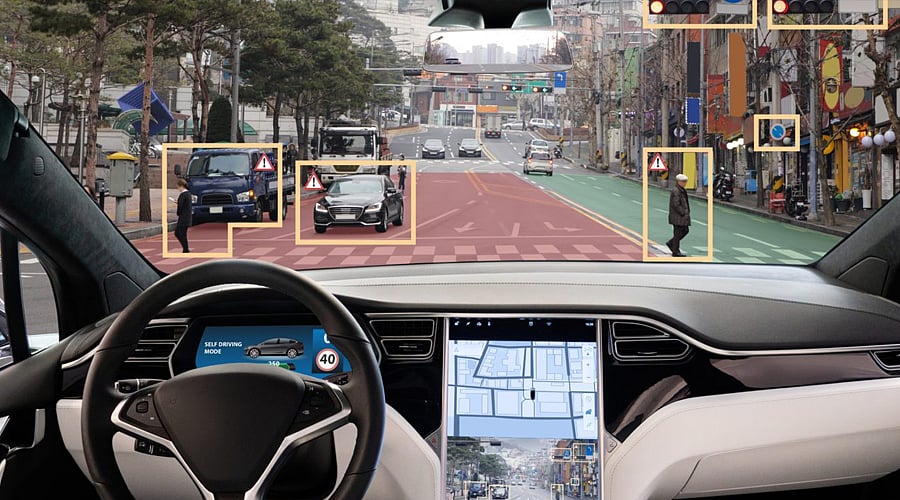
Autonomous Vehicles: Self-driving technology evaluates sensor data, camera feeds, digital maps, and live traffic conditions all at once, yielding navigation choices that resist straightforward human explanation.
Fraud Detection: Financial institutions employ machine learning to spot suspicious activity and flag potential scams, but intricate algorithms can obscure the reasoning behind individual alerts.
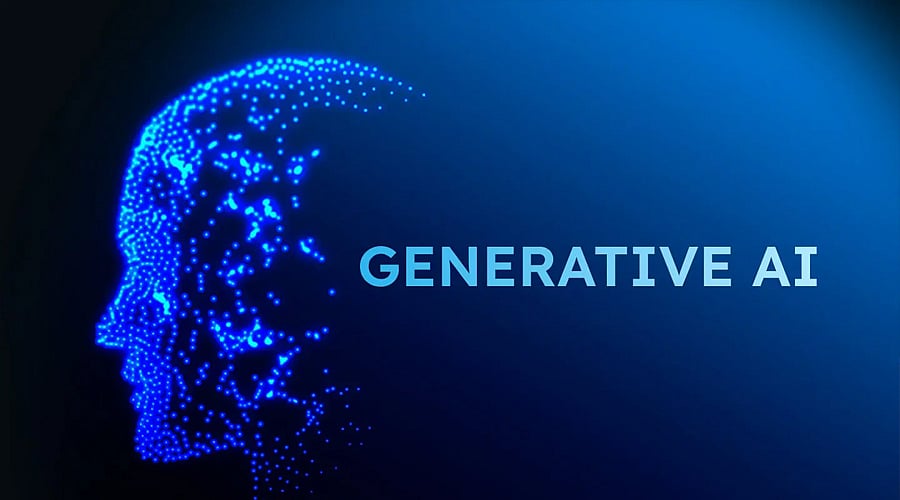
Generative AI: Massive artificial intelligence networks produce computer code, text, audio, and imagery via billions of acquired parameters, rendering their exact outputs hard to completely comprehend.