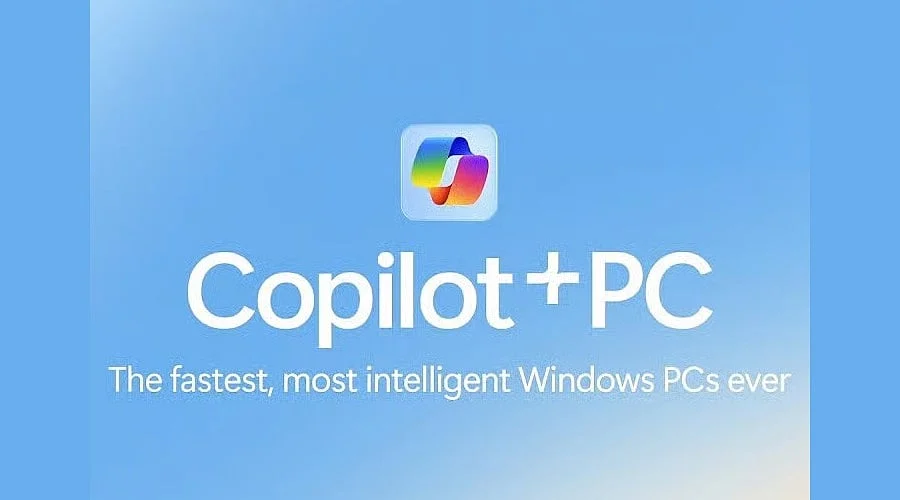
Microsoft is steadily stepping back from the Copilot+ PC designation, a label originally created to identify Windows computers optimized for artificial intelligence. With newer models, this branding is no longer seen as necessary. Recent developments show that the company’s newest Surface PCs omit the Copilot+ PC name entirely, though this shift does not signal the hardware’s disappearance. These machines continue to satisfy the criteria and fully support the functionalities associated with the Copilot+ classification.
Initially introduced in 2024 alongside Qualcomm, Microsoft designed the category around laptops equipped with specialized hardware for AI operations. Kedar Kondap, Qualcomm Senior Vice President of Compute, noted that the designation centered on a specific hardware standard for NPU-driven capabilities—specifically requiring a neural processing unit capable of executing at least 45 trillion operations per second. Despite the waning visibility of the name, the underlying hardware remains essential. Similarly, NVIDIA bypassed the Copilot+ moniker for its forthcoming RTX Spark platform, even though the hardware fully complies with the necessary performance threshold.
The Copilot+ push experienced a varied launch. Over the past couple of years, multiple computer manufacturers dropped the Copilot+ label, diminishing its prominence in marketing efforts. It appears Microsoft is now adopting a comparable strategy.
Discontinuing the label could simplify Microsoft’s product lineup for consumers. Shoppers are likely to care more about tangible AI tools than a specific badge printed on a computer’s packaging. Furthermore, this transition grants computer makers greater flexibility to market their proprietary AI capabilities rather than depending on a single Microsoft designation.
Also Read: Microsoft Confirms Copilot ‘Super App’ Launch this Year, Combining Chat, Coding, AI Agents
AI PCs are Moving Beyond the Label
For the average purchaser, a sticker or badge should not dictate the choice of a computer. Core specifications—such as the processor, NPU, RAM, battery longevity, and supported AI tools—hold greater importance.
The broader transformation lies in how AI-enabled computers are marketed globally. As artificial intelligence utilities become standard across Windows environments, specialized branding loses its utility. Features that once demanded a distinct badge are rapidly becoming a standard consideration when purchasing any computer.
Ultimately, Microsoft phasing out the Copilot+ title does not signal the conclusion of the AI PC era. Rather, it indicates that the industry’s emphasis is moving away from marketing labels and toward the practical capabilities integrated within the hardware.