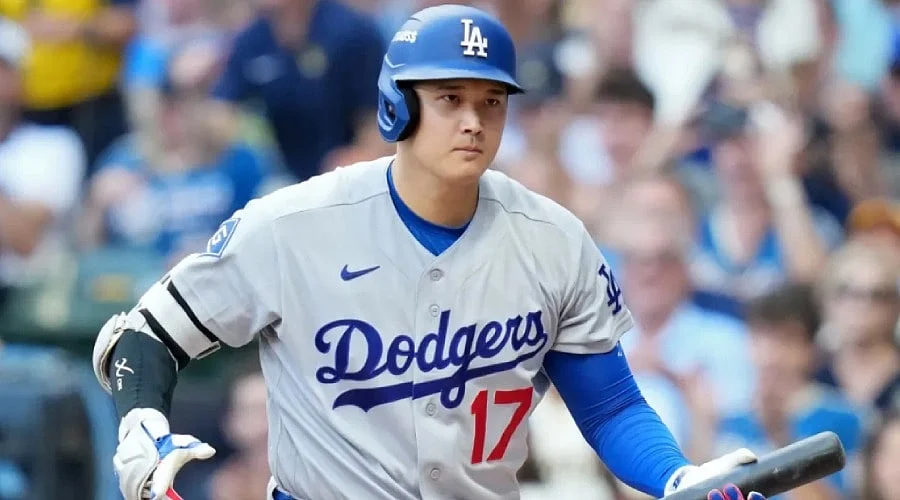
Following the Dodgers’ postseason exit, a Los Angeles hospitality group collected a payout on a USD 60,000 Kalshi trade wagering against a World Series appearance by the team. The company manages 25 drinking establishments, several of which sit close to Dodger Stadium, and anticipated a drop in sales in the absence of additional playoff matchups. According to Kalshi, the successful position yielded nearly double the original investment.
The financial payoff materialized after the Milwaukee Brewers eliminated Los Angeles by sweeping the National League Championship Series. Milwaukee secured the four-game sweep with a 6-4 win on October 15, halting the Dodgers’ pursuit of a third consecutive championship.
Kalshi Trade Offsets Lost Dodgers Game Revenue
Establishments located near Dodger Stadium often attract patrons during Dodgers fixtures, even when the games are played away from Los Angeles. Reaching the World Series would have provided these venues with additional opportunities to cater to supporters gathering to watch the matches.
Instead, the Dodgers’ departure cut short those revenue opportunities. The hospitality firm had previously taken a stance on Kalshi that would trigger a payout if Los Angeles failed to progress. This outcome translated a sports result into financial compensation linked directly to the company’s business exposure.
Kalshi stated that the business put down USD 60,000 and collected roughly twice that sum. Consequently, the gross proceeds neared USD 120,000, though the platform refrained from releasing an exact figure. This total represents the original stake returned alongside the gains, rather than pure profit.
The exchange likewise omitted details regarding transaction fees, net earnings, or the specific revenue shortfall experienced by the enterprise. Consequently, the data does not clarify the extent to which the payout compensated for the anticipated losses.
How Prediction Markets Can Help Businesses Hedge
Can a contract tied to the outcome of a baseball game safeguard an enterprise from declining consumer spending? The trade executed by the group demonstrates how companies can align a market position with real-world events that influence revenue.
Kalshi features contracts based on binary, yes-or-no results spanning sports, politics, entertainment, and economics. Winning agreements typically settle at a predetermined fixed price, whereas unsuccessful stakes can result in traders losing their initial investment.
The Commodity Futures Trading Commission classifies event contracts as instruments individuals can employ either for speculating or for hedging economic risks. In this instance, the hospitality group’s primary concern centered on customer foot traffic rather than shifts in currency, commodity, or interest-rate valuations.
Unlike conventional market hedges, this specific position targeted potential revenue losses at bars stemming from a single baseball outcome.
Had the Dodgers advanced, the strategy would have incurred a cost. In that scenario, the venues might have generated higher game-day revenue, while the counter-position regarding the World Series would have depreciated.
Even with a winning prediction, a financial payout does not automatically offset all business revenue losses. Sales are influenced by visitor volume, individual spending habits, and the daily operating expenses of each venue. Furthermore, contract pricing, trading fees, and prevailing market liquidity impact the final outcome.
Also Read: Taiwan Targets Coinbase and Kalshi Over Suspected Election Gambling
Kalshi Expands Baseball Presence as Event Trading Grows
This development follows Kalshi’s announcement in August regarding partnerships with five Major League Baseball franchises, including the Dodgers. The agreement in Los Angeles secured Kalshi stadium advertising space, branded fan engagement activities, and naming rights for an existing bar situated inside Dodger Stadium.
These collaborations tie the event-trading network closer to baseball fandom. Concurrently, the hospitality group’s trade highlights how commercial operators can utilize sports results to establish financial positions.
Kalshi permits global users to trade binary contracts that hinge on explicit outcomes. For enterprises whose revenue fluctuates based on athletic events, this framework offers a mechanism to position themselves against unfavorable developments.
Nonetheless, such contracts do not guarantee foolproof protection. Market participants must carefully evaluate prices, transaction fees, market depth, and the correlation between event results and actual business revenue.
Meanwhile, the Brewers’ triumph propelled Milwaukee to its inaugural World Series appearance since 1982. For the Los Angeles-based operator, that exact outcome sparked a successful trade payout, although the platform did not publish the final financial statements of the bars.
Conclusion
The Los Angeles hospitality enterprise’s USD 60,000 Kalshi wager returned nearly twice its original stake after the Dodgers failed to reach the World Series. The funds assisted in mitigating projected revenue deficits across its 25 bars. Nevertheless, because revenue figures and trading expenses remain undisclosed, the overall efficacy of the hedge stays uncertain despite the winning trade.