Overview:
-
IMAX merges massive screens, taller aspect ratios, and immersive visuals to deliver a deeply engaging cinematic journey for viewers.
-
Tailored IMAX audio produces robust sound, whereas standard cinemas typically depend on traditional 5.1 or 7.1 surround systems.
-
Standard theaters stay accessible and cost-effective, while IMAX shines brightest for visually striking films built for large-format presentation.
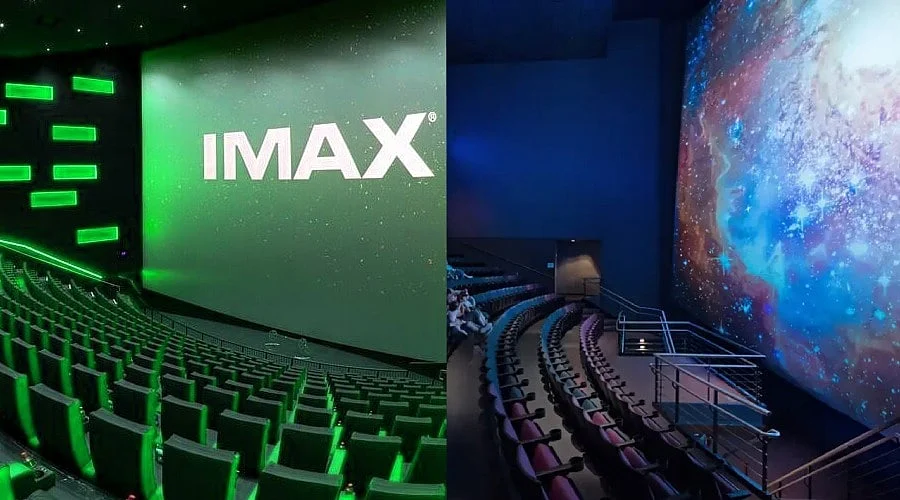
Going to see a movie can vary significantly depending on the format chosen. While standard cinemas feature familiar widescreen presentations coupled with conventional surround audio, IMAX aims to forge a grander, more absorbing environment via oversized screens, broader aspect ratios, and custom-calibrated sound.
IMAX vs Regular Theater: At a Glance
Also Read: Gaming Headphones vs Regular Headphones: What Makes Them Different?
Screen and Image
The primary contrast is instantly apparent. IMAX locations feature much larger screens that often engulf a greater portion of the audience’s field of vision. Certain IMAX screenings also utilize a taller 1.43:1 or 1.90:1 aspect ratio, giving viewers access to more of the picture in the vertical space.
This is especially noticeable for films shot using IMAX cameras or distributed with special IMAX scenes. Rather than merely blowing up the identical picture, these editions can uncover extra visual details at the top and bottom of the frame.
Conventional theaters typically employ widescreen formats like 1.85:1 or 2.39:1, which can lead to a comparatively smaller visible image than taller IMAX showings.
Sound and Audio
Another key differentiator is sound. IMAX halls utilize exclusive, high-grade audio setups calibrated specifically for each location. The goal is to generate strong bass, crisp dialogue, and exact sound localization throughout the room.
Standard cinemas routinely lean on 5.1 or 7.1 surround-sound setups. These still provide a great moviegoing experience, though their exact setup and tuning can differ from one cinema to the next.
Viewing Experience
IMAX proves exceptionally powerful for visual spectacles. Pictures like Oppenheimer, Dune, and Avatar make the most of the blend of bigger imagery, extended framing, and total acoustic immersion.
In contrast, standard cinemas remain a practical choice for comedies, dramas, and titles not built explicitly for large-format screens. They are also generally more budget-friendly and widespread.
Also Read: Weekend Deals: 7 Best Projectors and Screens for Home Theatre
Which One Should You Choose?
If grand scale, immersion, and high-impact audio-visuals are your goal, IMAX is usually worth considering, particularly for movies filmed or formatted specifically for the format.
If your aim is simply to watch a film comfortably at a lower cost, a standard cinema will provide a satisfying experience. Ultimately, the distinction goes beyond just having a larger screen; IMAX blends screen dimensions, picture formatting, and customized audio to pull the audience closer to the action.
You May Also Like:
Best Home Theatre Systems with Bluetooth and Wi-Fi Connectivity
Samsung Audio Settings to Get Better Sound Quality
10 Things Ruining Your Sound Quality on Spotify: Here’s What You Need to Know
FAQs
1.What is the main difference between IMAX and a regular theater?
IMAX offers a significantly larger screen, expanded aspect ratios, specialized projection and custom-tuned sound, creating a more immersive experience than conventional movie theaters.
2.Does IMAX show more of the movie than regular theaters?
Sometimes. Movies filmed or formatted for IMAX can use taller aspect ratios, revealing additional vertical image that may not appear in standard widescreen theatrical presentations.
3.Is IMAX sound better than regular theater sound?
IMAX uses specially designed and calibrated audio systems capable of powerful bass, high dynamic range and precise sound placement, while regular theaters typically use conventional surround-sound systems.
4.Are IMAX tickets more expensive than regular theater tickets?
Generally, yes. IMAX tickets usually cost more because of the specialized screen, projection and sound technology, although prices vary depending on the theater, location and movie.
5.Is IMAX worth watching for every movie?
Not necessarily. IMAX is particularly worthwhile for visually spectacular blockbusters, action films and movies created or specially formatted for IMAX, while regular theaters work well for everyday viewing.