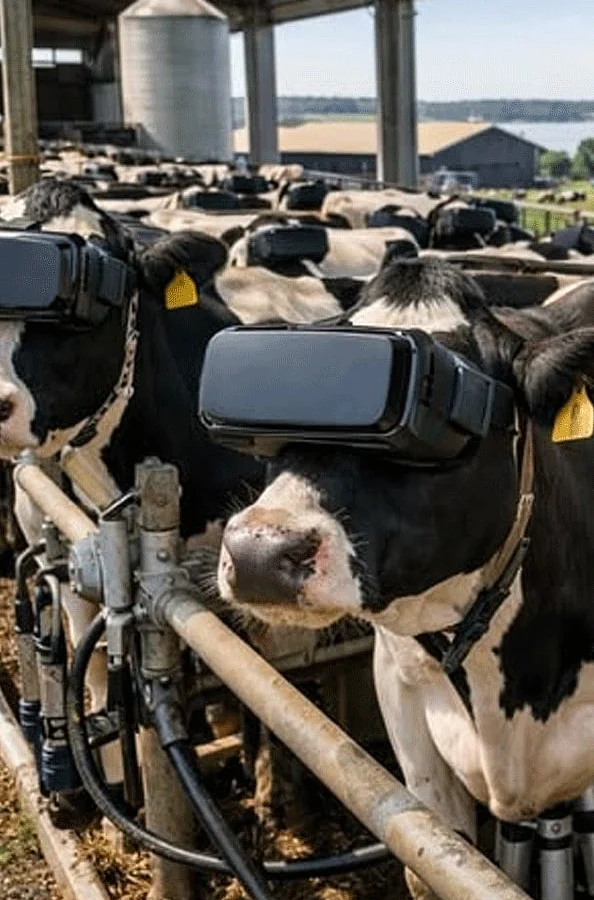
Smart glasses have the potential to project cow identifications, milk yield statistics, and health notifications right into a farmer’s visual field, allowing them to keep both hands free.
By utilizing augmented reality (AR) directions connected to electronic ear tags or RFID collars, farmers can pinpoint individual cows more quickly and cut down on the time spent hunting through the herd.
These wearables can highlight heat cycles, drops in activity, and other health shifts detected by sensors, enabling producers to spot animals requiring care much sooner.
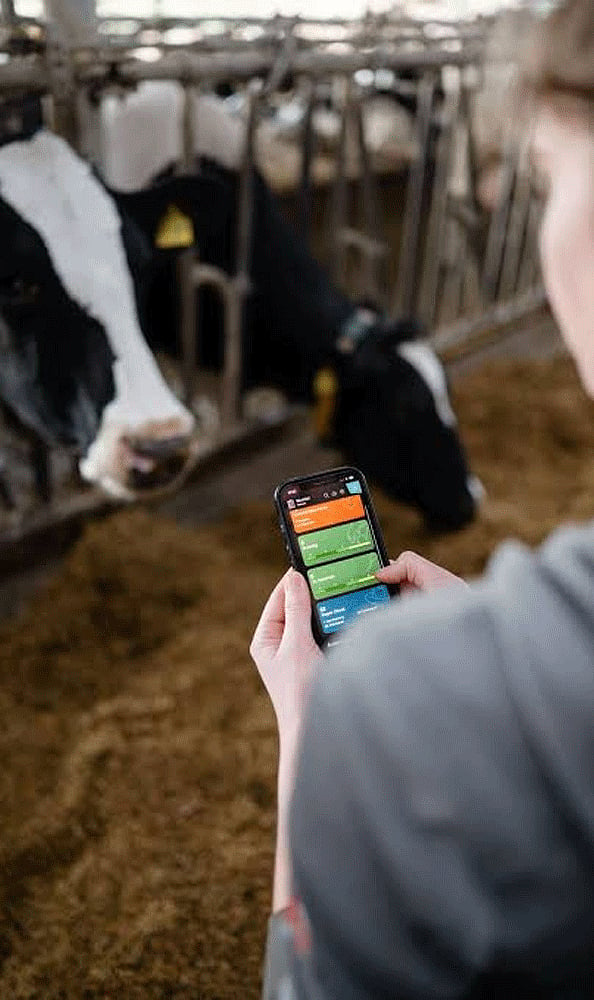
Farmers can monitor barn conditions, track feed-stock amounts, and view real-time feeding data to better manage livestock, identify shortages, and keep an eye on environment metrics.
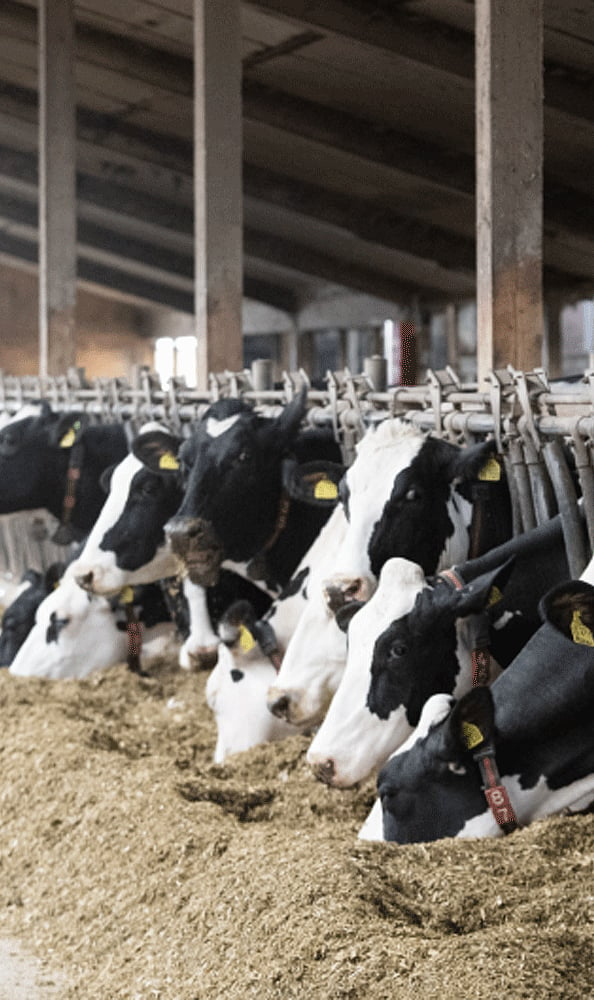
Using hands-free voice commands, operators can log milk production details, treatment information, and breeding events without needing to pause their labor to pick up a notebook or phone.
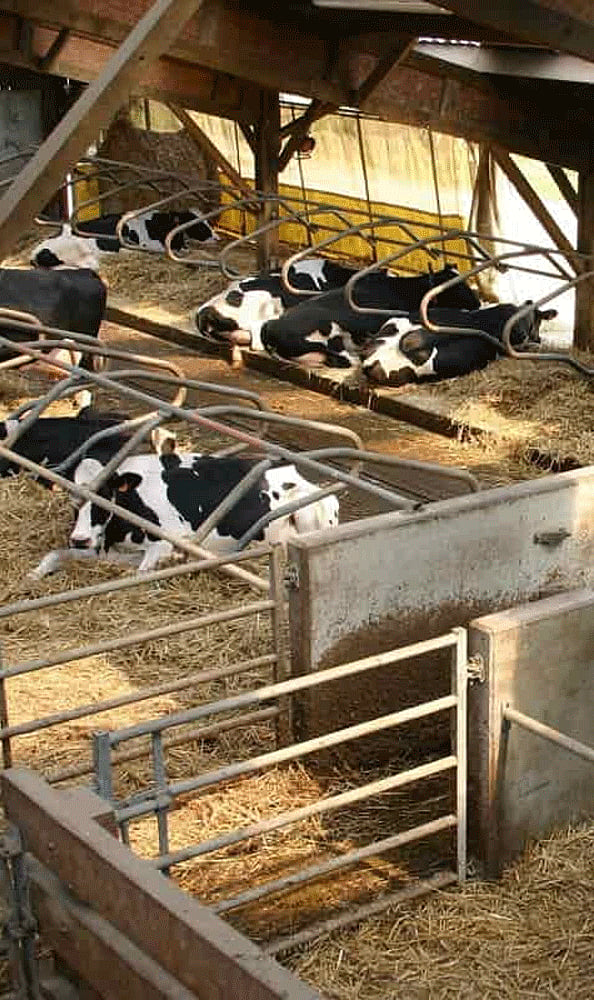
Through live video streaming, the glasses can link agricultural workers with nutritionists, veterinarians, and other specialists to receive remote assistance during tough chores or animal evaluations.

Voice-controlled instructions and visual guides can walk workers through fixing milking equipment, assisting technicians in performing maintenance tasks with greater efficiency.
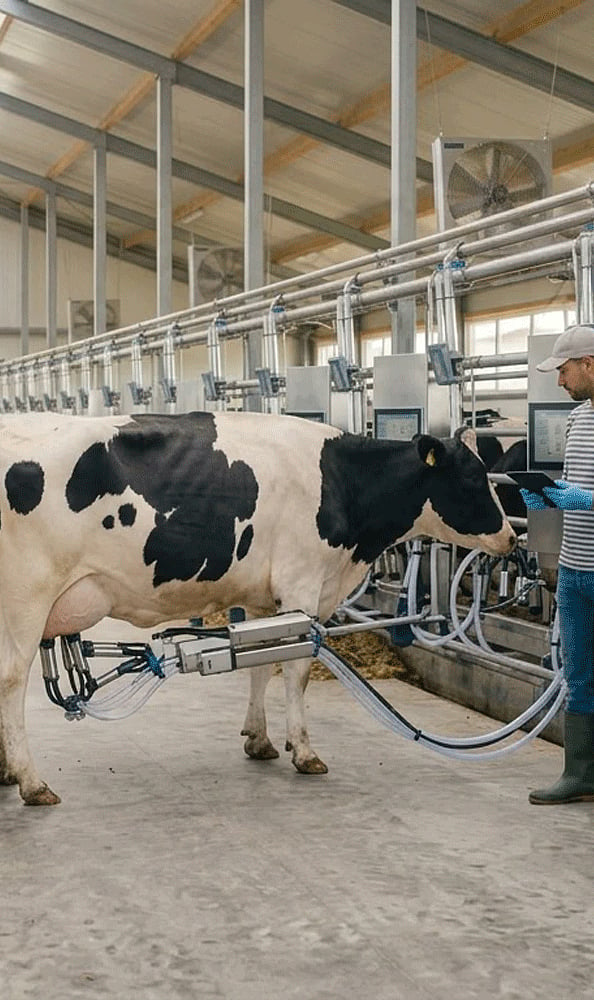
Important obstacles include moisture, dust, barn connectivity, device pricing, and battery longevity. For example, one evaluated smart-glasses unit provided a battery life of roughly seven hours, necessitating careful scheduling for extended work shifts.
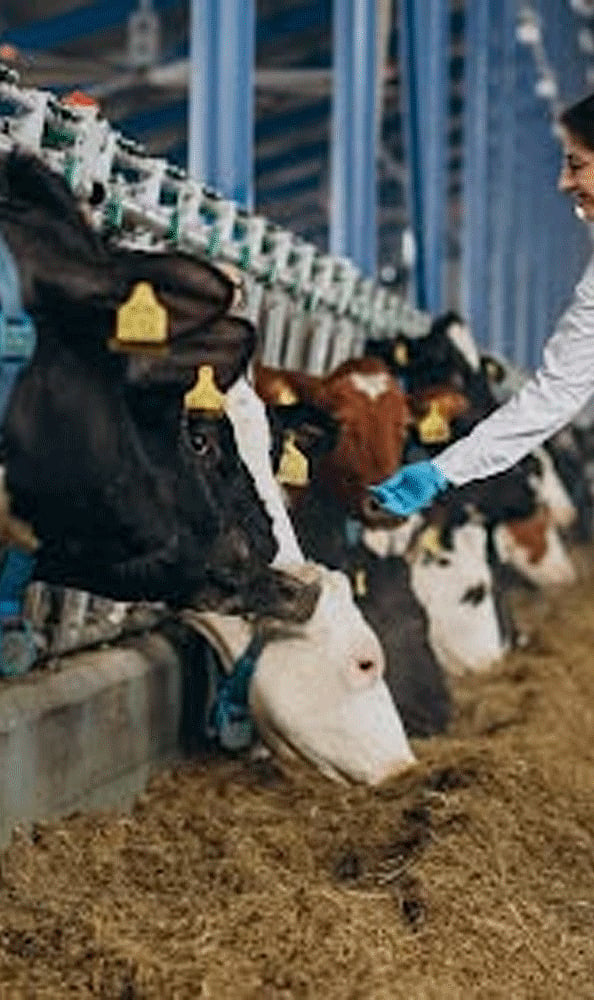
By merging expert assistance, sensor notifications, and cow data into a single hands-free platform, smart glasses can transform dairy operations into a more data-driven practice. Still, broader adoption relies on sensible pricing and seamless integration with existing farm software.
Read More Stories !

Join our WhatsApp Channel to get the latest news, exclusives and videos on WhatsApp