Five Ways LED and Traditional Bulbs Affect Your Power Bill
Discover how switching between LED and traditional incandescent bulbs impacts your household power bill, electricity consumption, monthly utility costs, bulb lifespan, heat production, and overall long-term financial value.
Why Your Choice of Bulb Matters: The type of lighting you select can impact household electricity expenses more heavily than anticipated. Because incandescent and LED bulbs generate illumination through different mechanisms, they vary in energy use, thermal output, and how often they need to be replaced. Grasping these distinctions enables households to select efficient illumination, cut down on superfluous electricity usage, and keep monthly costs under control without sacrificing light output.
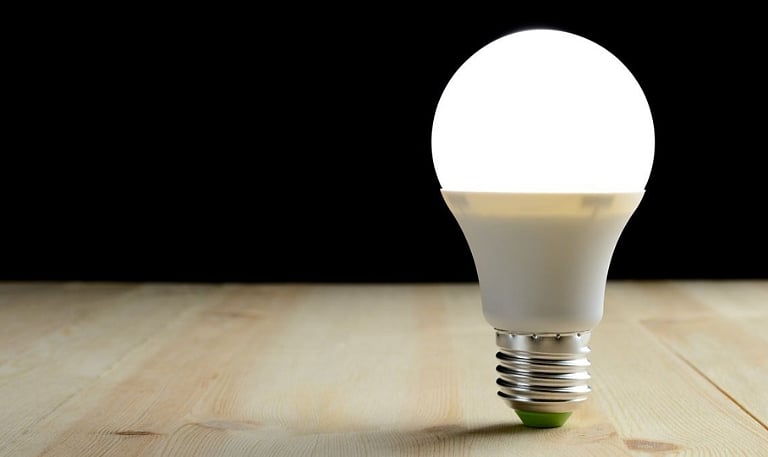
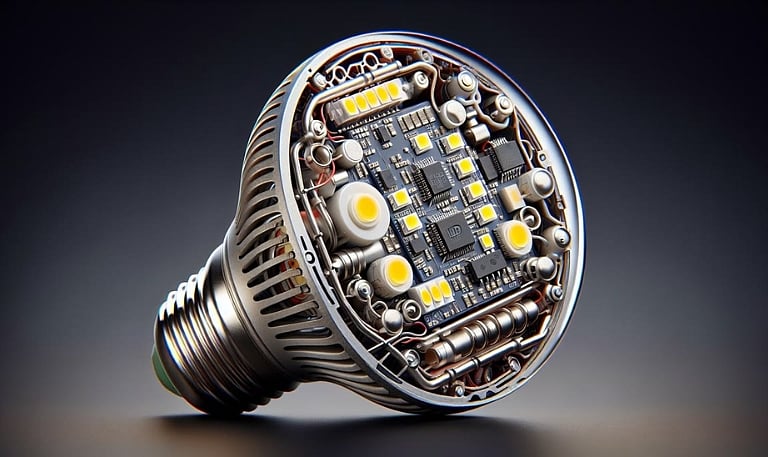
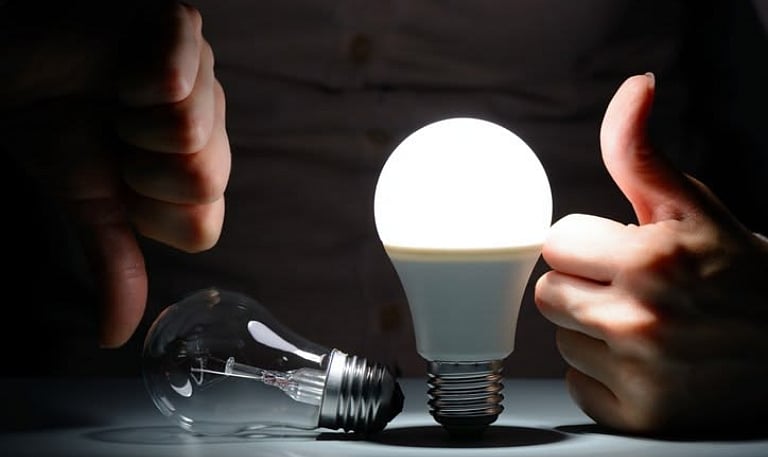
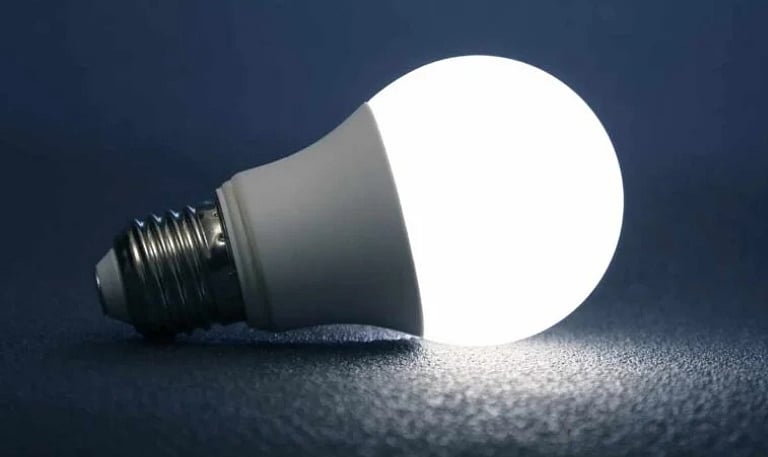
Electricity Consumption: LEDs achieve a similar level of brightness while drawing far less power than incandescent alternatives. To illustrate, an LED rated at 9 watts can generate roughly the same 800 lumens as a traditional 60-watt incandescent lamp. This high level of efficiency positions LEDs as a powerful tool for cutting energy usage, especially in living spaces where lights stay on for extended periods.
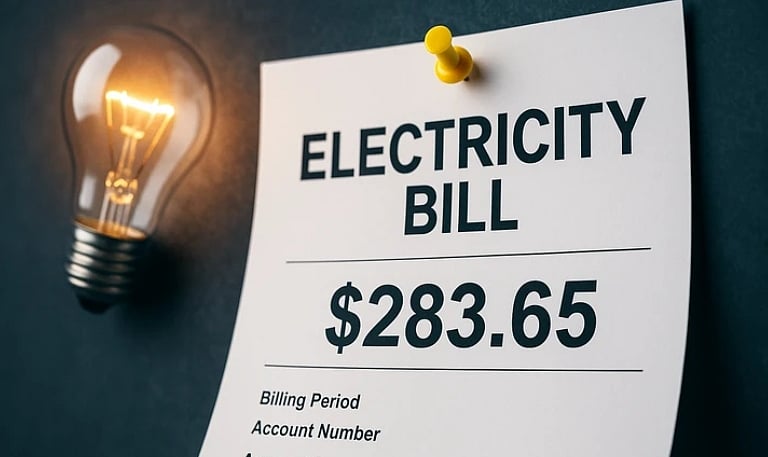
Monthly Electricity Costs: Reduced power requirements naturally pave the way for savings on utility statements. Running a 9-watt LED for eight hours a day uses about 2.16 units of electricity each month, whereas a 60-watt incandescent bulb consumes 14.4 units in the same timeframe. Assuming a rate of ₹8 per unit, that gap translates to an estimated monthly savings of roughly ₹98 for every individual bulb.
Lifespan and Replacement: LED lights generally enjoy a much greater operational life than standard incandescent models, thereby minimizing how often replacements are required and cutting ongoing upkeep costs. While standard incandescents typically burn out after about 1,000 hours, many premium LEDs boast rated lifespans reaching 15,000 hours or greater. Real-world longevity will ultimately fluctuate depending on manufacturing quality, environmental conditions, and how frequently they are used.
Heat Production: Standard incandescent options waste a major portion of their consumed electrical power as thermal energy rather than actual light. On the other hand, LEDs function with greater efficacy and emit significantly lower amounts of heat while matching equivalent brightness levels. This characteristic can enhance indoor comfort in hot environments and potentially ease the load on air-conditioning systems. Still, actual cooling benefits will vary based on specific room environments and patterns of use.
Initial Price and Long-Term Value: Incandescent bulbs traditionally feature lower upfront retail prices, whereas LEDs demand a higher initial financial outlay. Even so, reduced energy requirements combined with a drop in replacement purchases frequently position LEDs as the more cost-effective choice over their operational lifetime. Evaluating upfront costs alongside wattage, luminous output, lifespan ratings, and warranty coverage will help identify the most economically sound selection.
Which Bulb Should You Choose?: LEDs present the ideal blend of energy savings, resilience, and long-term financial benefits for the vast majority of homes. Prior to making a purchase, buyers should evaluate lumens instead of relying solely on wattage, as lumens reflect true brightness while watts merely track energy draw. Opting for efficient LED fixtures and turning off lights when they are not in use will consistently drive down overall power expenses.
Join our WhatsApp Channel to get the latest news, exclusives and videos on WhatsApp