Five 2027 foldable phone upgrades that could transform the market
Foldable phones could transform the market by 2027 through durability improvements, bigger batteries, advanced cameras, slimmer profiles, and smarter AI software, making them more practical for daily use.
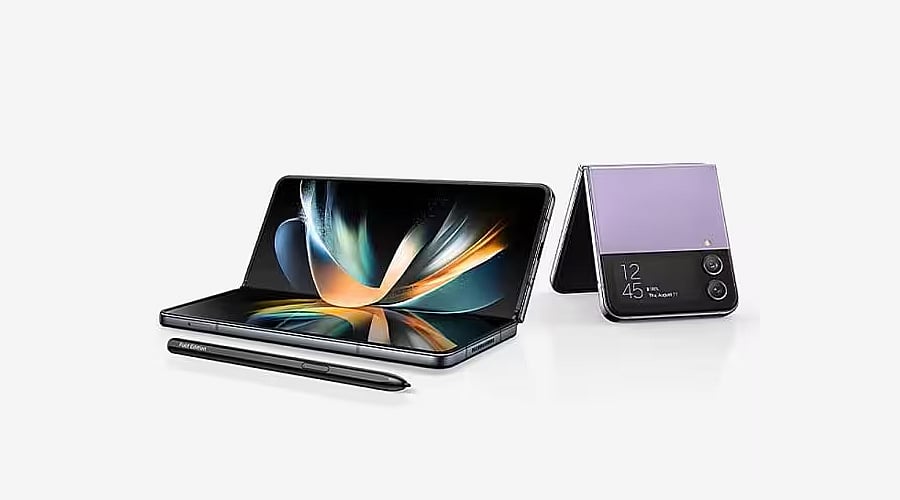
Foldable Phones Enter a New Phase: Foldable phones could become more practical by 2027 as brands shift their focus toward durability, battery life, camera performance, and sleeker profiles. While earlier generations turned heads with their bendable screens, daily usability remains vital. These advancements could enable manufacturers to attract a broader audience and intensify competition within the high-end smartphone sector.
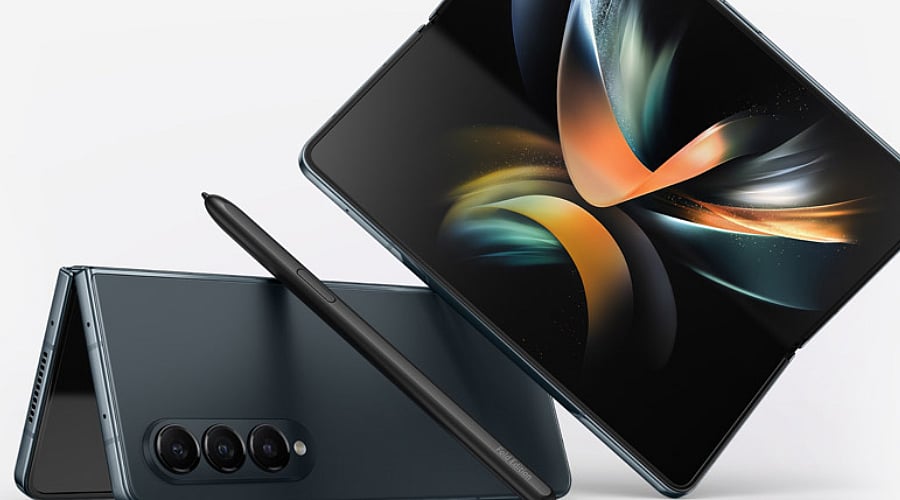
Stronger Hinges and Reduced Screen Creases: Upcoming foldable handsets may incorporate upgraded hinge designs alongside cutting-edge screen materials to minimize noticeable creases. Enhanced engineering could likewise allow these devices to endure continuous folding across extended spans of time. Should makers enhance resilience while keeping profiles trim, foldables could prove more dependable for daily wear and tear while alleviating worries about long-term ownership.
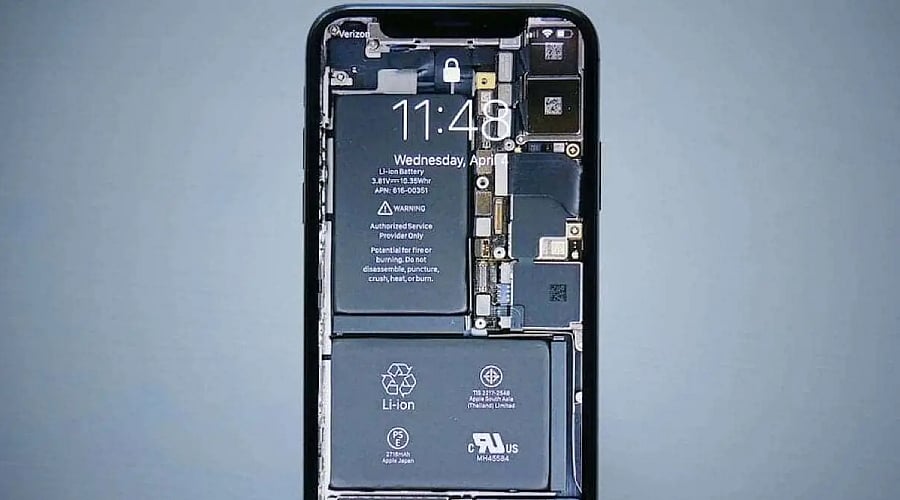
Bigger Batteries and Faster Charging: Power longevity continues to pose an obstacle for foldables due to the heavy energy demands of their expansive panels. By 2027, producers might integrate high-density battery innovations, smarter power efficiency, and speedier charging networks. Such updates can empower users to stream videos, handle workloads, and multitask at length without constantly hunting for an outlet.
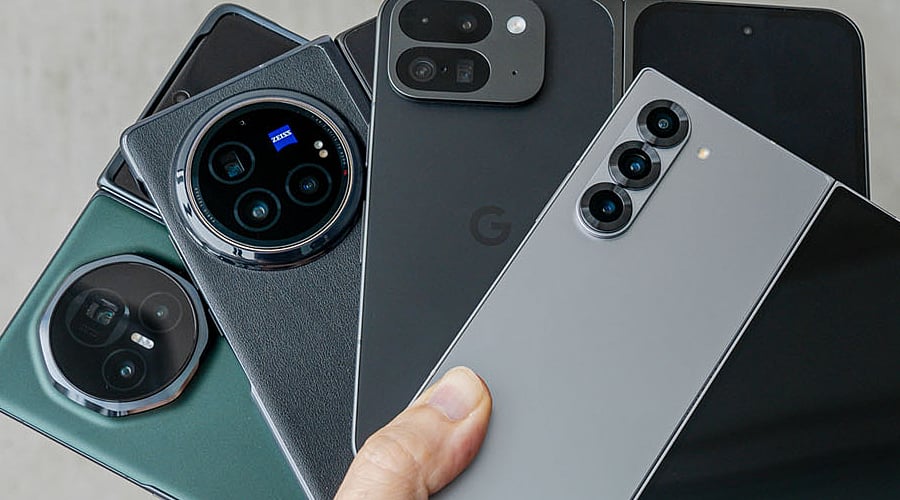
Better Cameras and Image Processing: Foldable devices might see upgrades via superior camera sensors, optical image stabilization, and sophisticated computational photography techniques. Certain brands may also leverage artificial intelligence to sharpen photos and refine results across diverse lighting environments. Upgraded photographic hardware would allow foldables to rival conventional flagship phones, where camera capabilities heavily influence buying decisions.
Slimmer Designs and Lighter Bodies: Producers could shrink the thickness and weight of foldable handsets by revamping hinges, screens, and internal layouts. A thinner build would simplify portability and improve comfort when the device is closed. Trimming excess bulk without sacrificing battery size or physical integrity could resolve a primary barrier currently hindering foldable adoption.
Smarter Software and AI Features: Foldable screens offer expanded space for multitasking, which elevates the importance of software enhancements. Upcoming iterations may deliver refined split-screen management, more fluid app switching, and AI-driven productivity applications. Better software tuning could assist users in managing files, navigating multiple windows, and transitioning between duties seamlessly, extending the utility of foldables past pure media consumption.
Can These Upgrades Expand the Market?: The 2027 outlook for foldable phones relies heavily on whether developers can introduce significant enhancements without driving costs past affordable thresholds. Sturdier hinges, improved optics, extended battery longevity, and upgraded software could heighten the attractiveness of these gadgets. Nevertheless, real market penetration will hinge upon officially confirmed product rollouts, retail costs, and actual performance in the hands of consumers.
Join our WhatsApp Channel to get the latest news, exclusives and videos on WhatsApp